

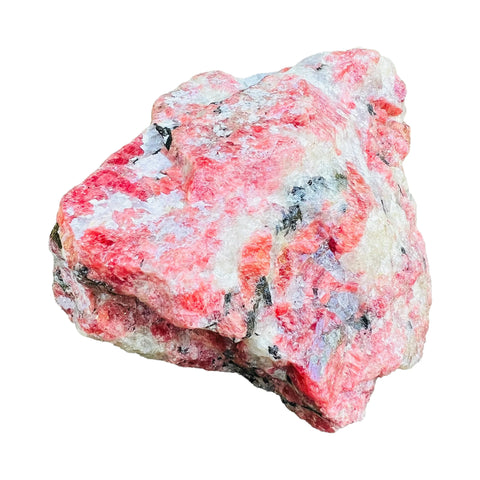
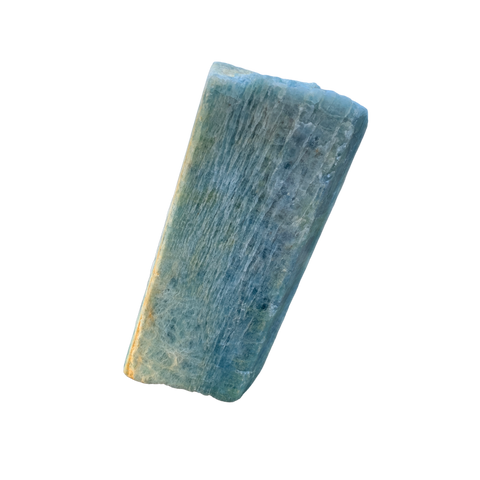
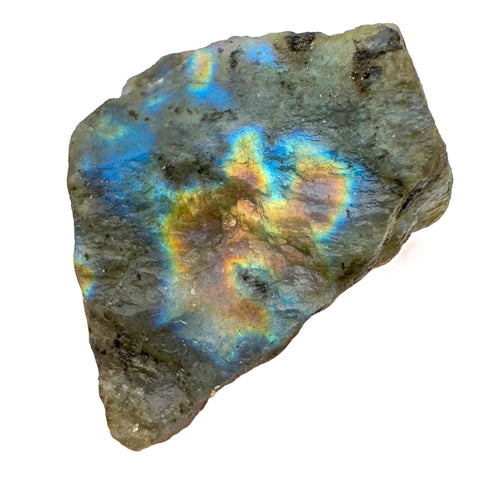










Tiger eye, pyrite, and ametrine all look manufactured. All three are natural. What each one actually is, and the simple test that settles it.
Crystals for Confidence: Three Stones People Assume Are Fake

There is a pattern on the confidence shelf that nobody points out. The stones people gravitate toward for this one are the stones that look manufactured. A brown stone with a beam of light moving inside it. A cube of gold that grew that way. A single crystal that is purple at one end and yellow at the other. All three get accused of being fakes constantly, all three are natural, and each one gives itself away in a different manner.
Tiger Eye
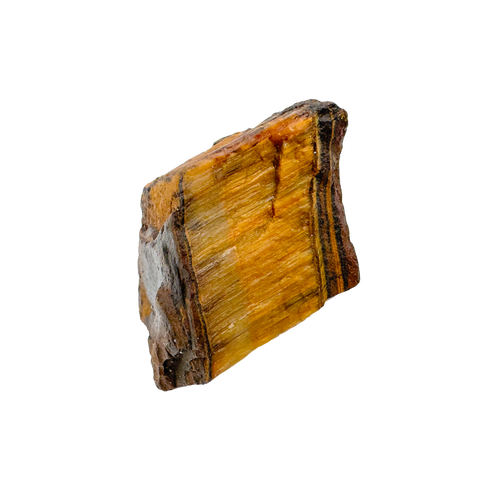
Tiger eye is quartz that took over another mineral's job. The stone began as fibrous crocidolite, and quartz replaced the fibers while keeping them lined up in parallel, which makes it a pseudomorph in the same technical sense as petrified wood. That parallel structure is the entire effect: light hits the fibers and reflects back as a single moving band, called chatoyancy, that seems to travel as you tilt the piece. It sits at 6.5 to 7 on the Mohs scale, so it lives in a pocket without complaint. Roman soldiers are said to have carried it into battle. Here is the buying note that matters: tiger eye is commonly dyed and commonly heat treated, and the tell is that dye pools in cracks, so the color inside a fracture reads deeper or slightly off compared with the flat face beside it. Bright green tiger eye is dyed, without exception. Ours is hand polished from Northern Cape, South Africa, natural and untreated. More in the tiger eye guide, and the tells are collected in our guide to spotting dyed crystals.
Pyrite
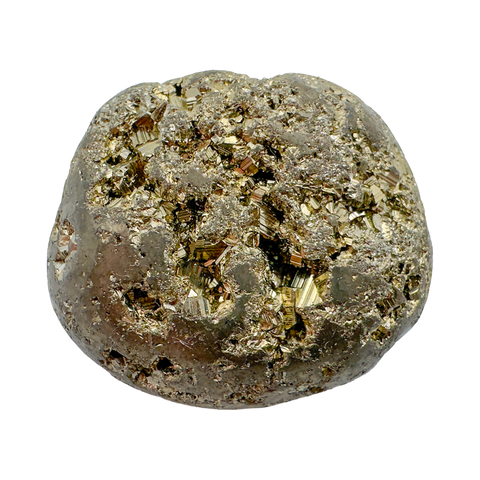
Pyrite is iron sulfide, and it grows in cubes with no help from anyone. That is the part people refuse to accept when they first see it. The faces are flat, the angles are square, and many pieces carry fine parallel lines called striations across the faces. The name comes from the Greek pyr, fire, because struck pieces throw sparks. It picked up the nickname fool's gold from its color, but it is nothing like gold: harder at 6 to 6.5 on the Mohs scale, and it will scratch glass, which gold will not. The cleanest field test is a streak. Drag it across unglazed ceramic and pyrite leaves greenish black, not gold. Plastic and resin imitations feel light and warm in the hand and glitter evenly all over instead of flashing off distinct faces. Ours is hand polished from Ancash, Peru. The pyrite guide covers the rest.
A note on carnelian and sunstone
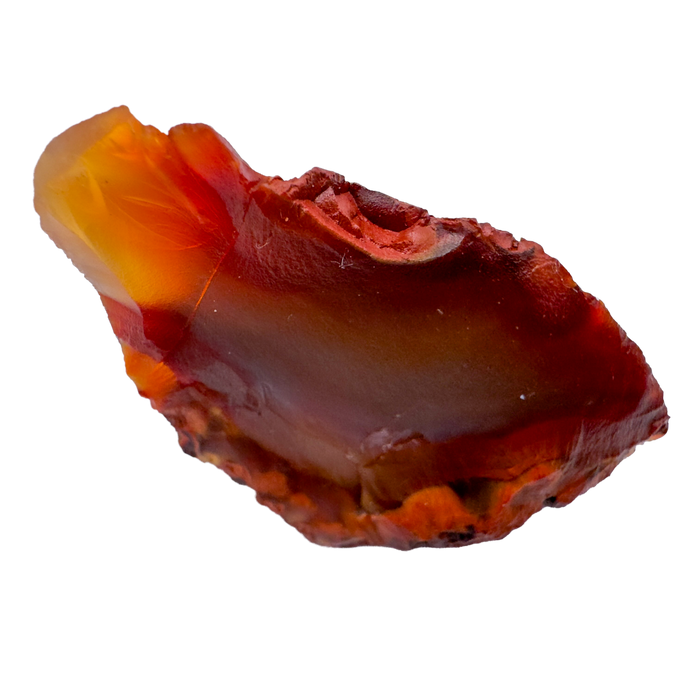
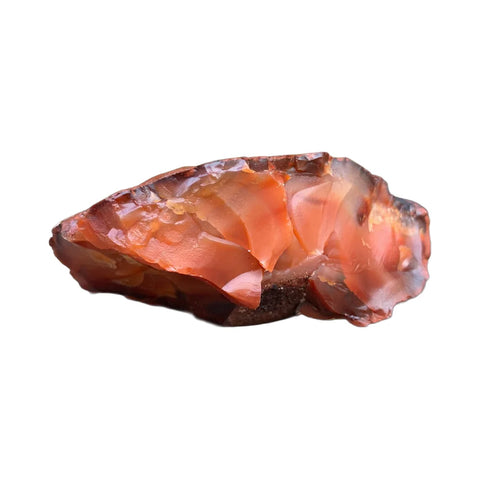
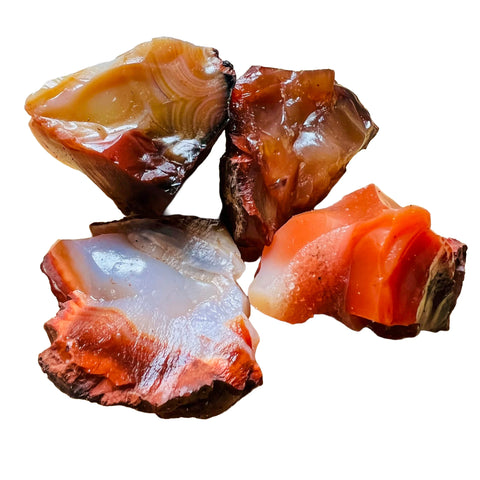
The two stones usually named first for confidence are carnelian and sunstone, and we compared them directly in carnelian vs sunstone for confidence. Rather than repeat that here, this piece stays with the three that get called fakes.
Ametrine
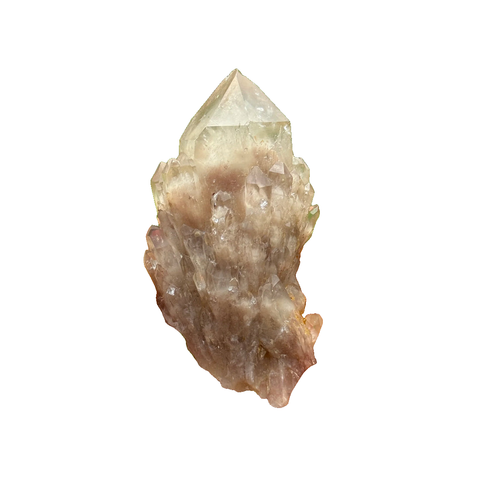
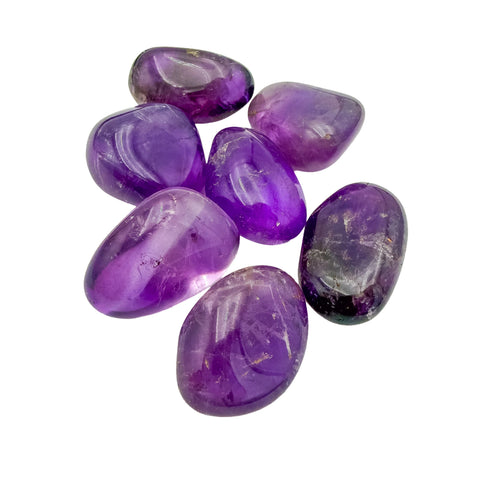
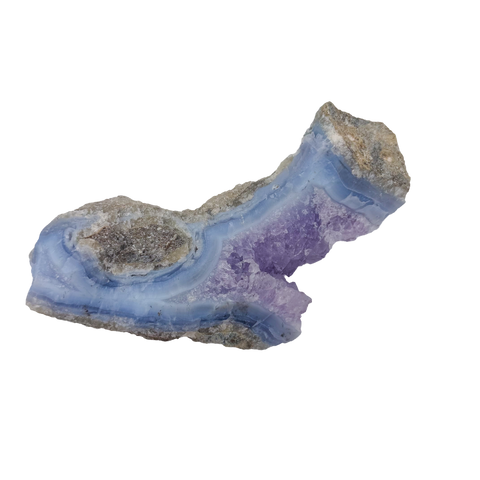
Ametrine is one crystal that is amethyst at one end and citrine at the other, with a visible boundary between the two. It looks assembled. It is not. The color split comes from iron in the quartz sitting in two different oxidation states, set during growth by a temperature difference across the crystal, and it happens in nature in very few places. Natural ametrine was found in Bolivia in the 1960s and the material still comes almost entirely from one province in the east of the country. Ours is tumbled from Ángel Sandoval Province, Bolivia, at 7 on the Mohs scale, natural and untreated. Two things worth knowing before you buy anywhere: synthetic ametrine exists and matches the natural material closely enough that telling them apart is lab work, and any stone sold as ametrine in green and yellow or gold and blue is not ametrine at all. Natural ametrine is purple and yellow. More in the ametrine guide.
Tiger Eye
Pyrite
Ametrine
If you want to see the effect rather than read about it, a hand polished tiger eye shows the band clearest under a lamp, a hand polished pyrite is the one to hand a skeptic, and a tumbled ametrine shows the color boundary without a loupe. The full shelf is in the confidence collection.
What confidence means here
A stone does not make anyone braver, and we are not going to suggest otherwise. What these three have in common is closer to the point anyway. Each one looks like a trick and turns out to be real, and there is something quietly useful in carrying an object like that. Whether that lands for you is yours to decide. What we can be exact about is the mineral, the origin, and whether anything was done to it, which is the whole basis of how we buy. That is on our sourcing page, the trade terms are decoded in the crystal glossary, and the wider list for this intention is on crystals for confidence.