

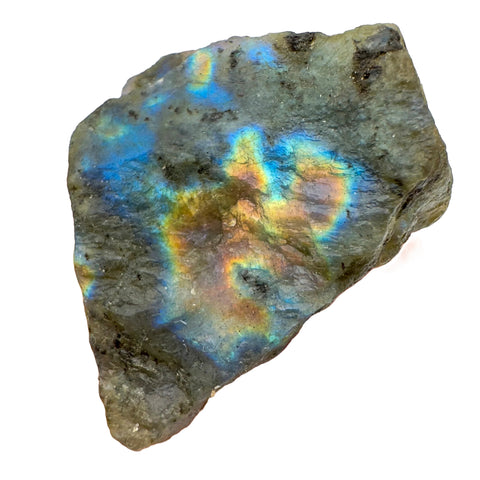
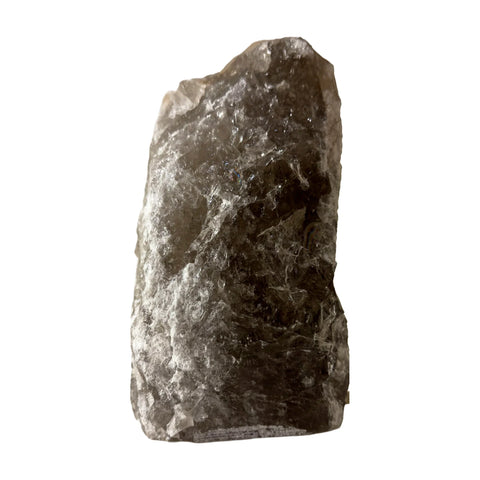
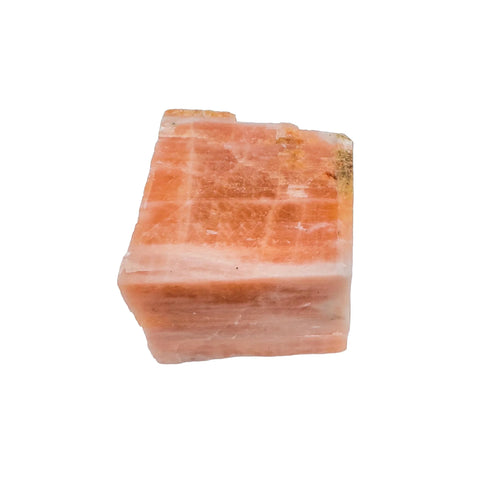
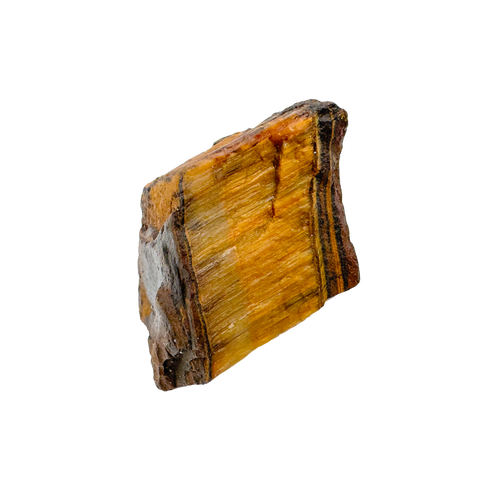
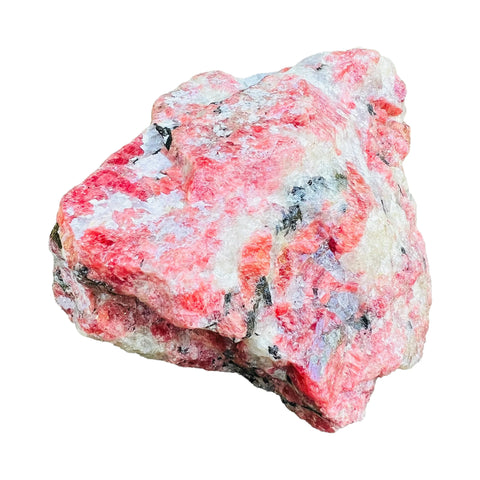
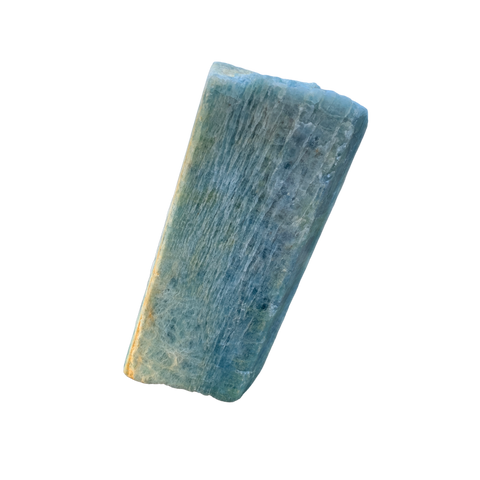
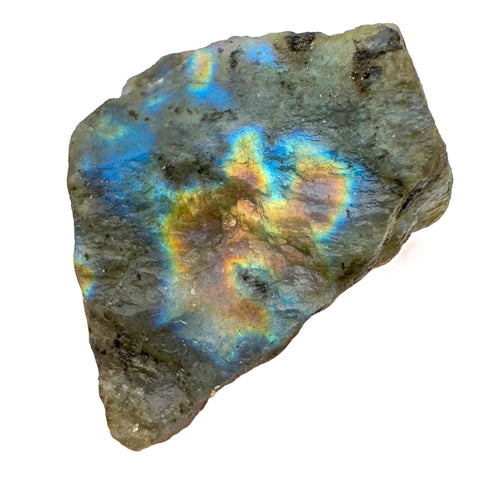
















Carnelian, tangerine quartz, and orange calcite all get their color from iron, but in three different ways. What that changes about cleaning, polishing, and spotting dye.
Crystals for Creativity: Why the Whole Shelf Is Orange

Pull up the creativity section of almost any crystal shop, ours included, and the whole thing is orange. That is not a merchandising decision. It traces back to one element, iron, showing up in three completely different arrangements. In one stone the iron is spread through the material. In another it sits on the outside as a coating. In the third it is not even the same mineral family. The difference decides how you clean the stone, whether polishing ruins it, and how likely the piece in front of you has been messed with.
Carnelian: iron all the way through
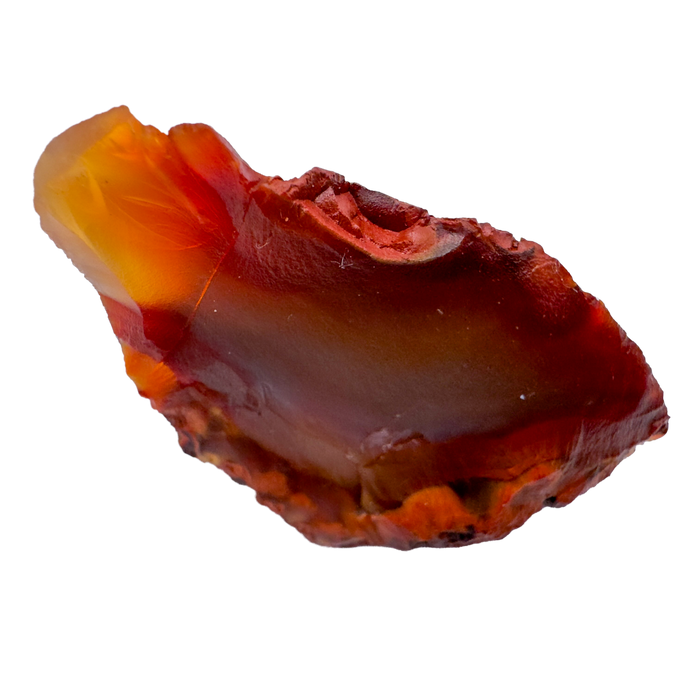
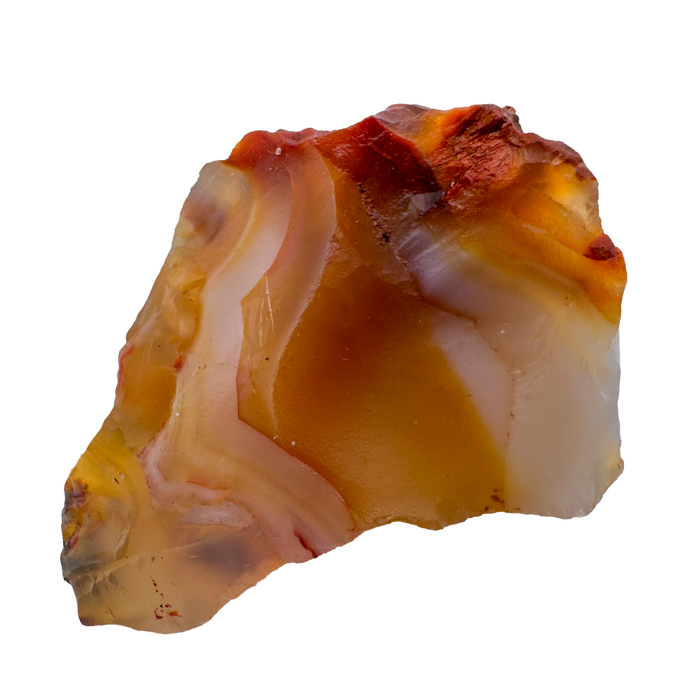
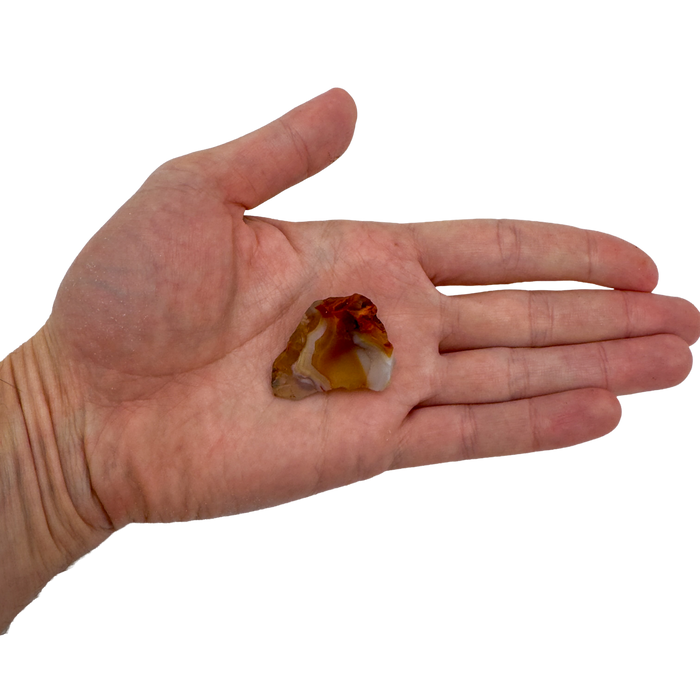
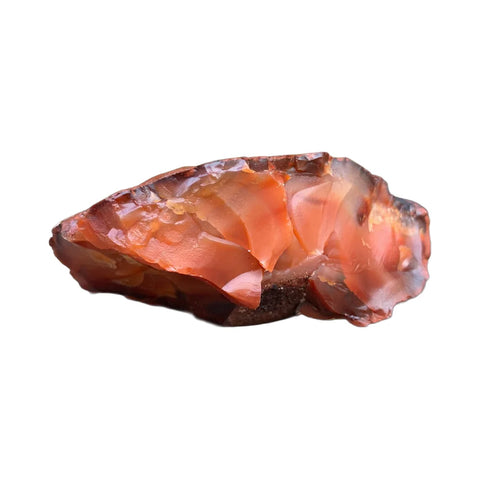
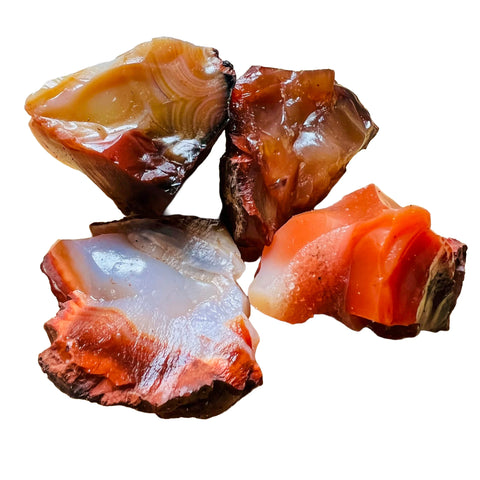
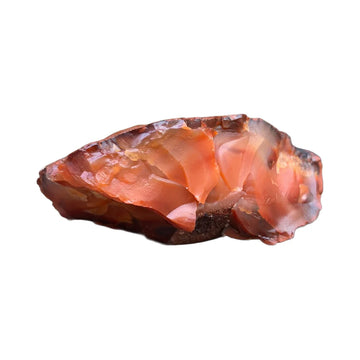
Carnelian is chalcedony, quartz grown in crystals too small to see individually, with iron oxide distributed through the body of the stone. That is why the color runs from pale peach to deep rust and why a good piece looks lit from the inside rather than painted. Because the iron is part of the material, you can cut, tumble, and polish carnelian as hard as you like and the color stays. At 6.5 to 7 on the Mohs scale it is a genuine pocket stone. It has been in use about as long as anything has, from Egyptian funerary pieces to Roman signet rings. The buying note: a great deal of carnelian on the market is heat treated to deepen the red, which is legal and common and simply ought to be disclosed. Ours is raw from Boeny, Madagascar, natural and untreated. More in the carnelian guide.
Tangerine Quartz: iron on the outside
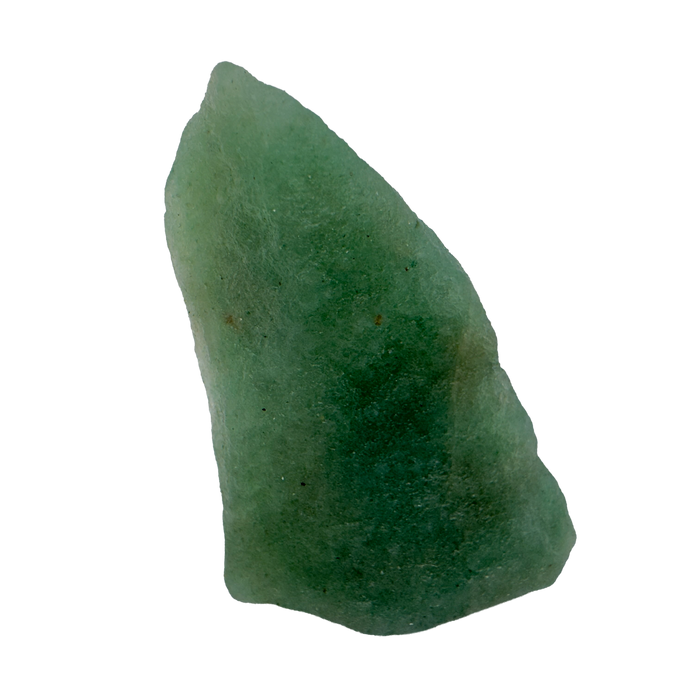
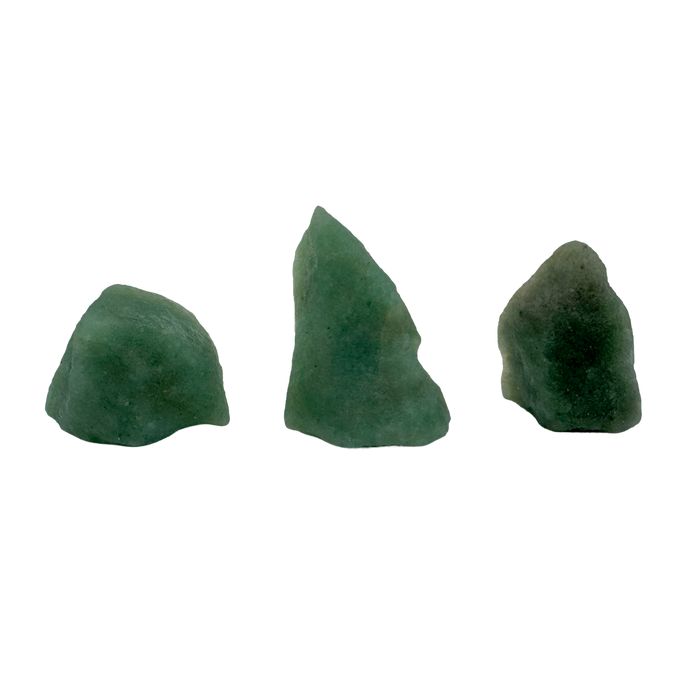
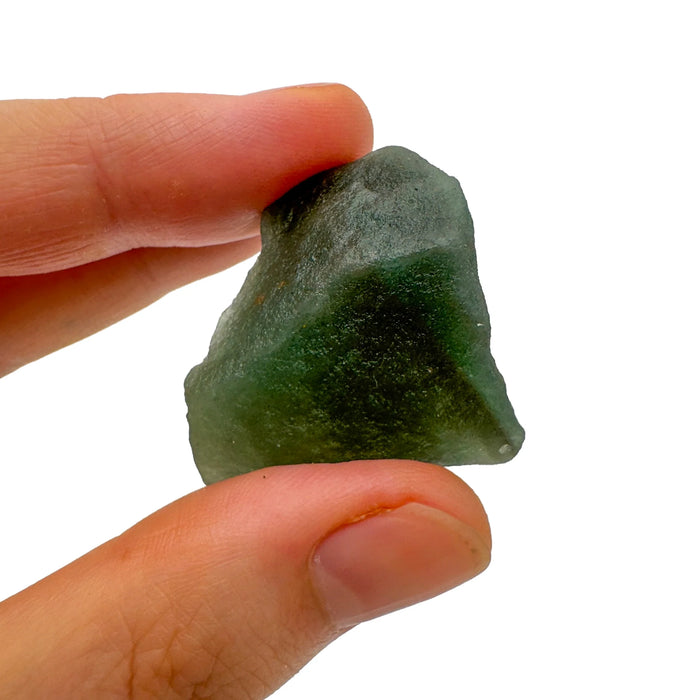
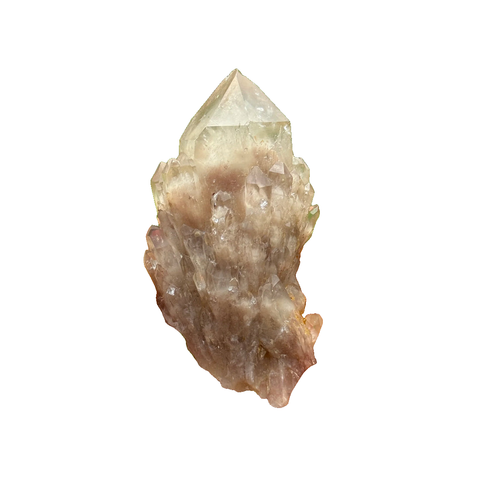
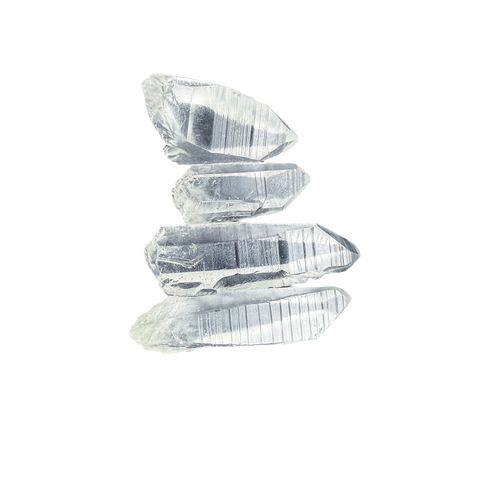
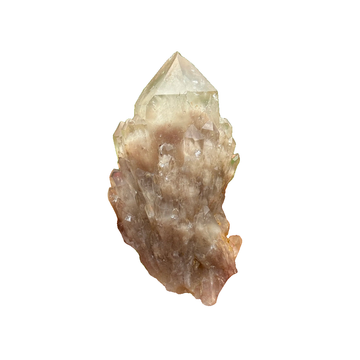
Tangerine quartz is the one people get wrong, and the mistake is understandable. It is clear quartz, and the orange is not inside it. Iron-rich water moved across the crystals after they had already finished growing and left a thin film of iron oxide on the surface. The crystal underneath is colorless. That single fact has practical consequences: heavy tumbling, aggressive polishing, or an acid wash can strip the color off, which is why tangerine quartz is almost always sold as raw points and clusters rather than polished shapes. It reads as 7 on the Mohs scale because the quartz is 7, but the coating itself is delicate, so clean it with a dry cloth and nothing else. Ours is raw from Minas Gerais, Brazil, natural and untreated, which is worth saying because heat-treated material does circulate. The tangerine quartz guide has more.
A note on citrine
Citrine belongs in this family and carries the single biggest authenticity problem in the orange group, since most of what is sold as citrine is heat-treated amethyst. We gave it a full piece of its own, real vs fake citrine, so it is not repeated here.
Orange Calcite: a different mineral entirely
Orange calcite is not quartz and not related to the other two. It is a carbonate, calcium carbonate, the same family as limestone and marble, and it is soft. At 2.5 to 3 on the Mohs scale a fingernail is close to scratching it and a steel key certainly will. It also reacts to acid, so vinegar, lemon, and most household cleaners will etch the surface. Keep it dry, keep it out of the sun, and store it in its own pouch so a harder stone does not scuff it in a drawer. That softness is exactly why it is the most frequently dyed stone in this group: soft porous material takes dye easily, and much of the vividly orange calcite in circulation has been colored. Ours is raw from Erongo, Namibia, natural and untreated. The tells for dyed material are in our guide to spotting dyed crystals, and the stone itself is covered in the orange calcite guide.
Carnelian
Tangerine Quartz
Orange Calcite
Practically speaking, a raw carnelian is the one that survives daily handling, tangerine quartz points belong on a desk where nothing rubs them, and raw orange calcite wants a shelf and its own pouch. Everything else is in the creativity collection.
What creativity means here
No stone has ever written anything. What a stone on a desk can do is smaller and more honest: it marks a place as the place where you work, and it gives your hands somewhere to go while your head catches up. Orange has been tied to this idea for a long time and the association is worth enjoying without pretending it is a mechanism. What we will always be exact about is what the piece is made of, where it came from, and whether anyone treated it, which for these three matters more than usual since two of them are commonly altered. Our sourcing is on where our crystals come from, and the wider list for this intention is on crystals for creativity.