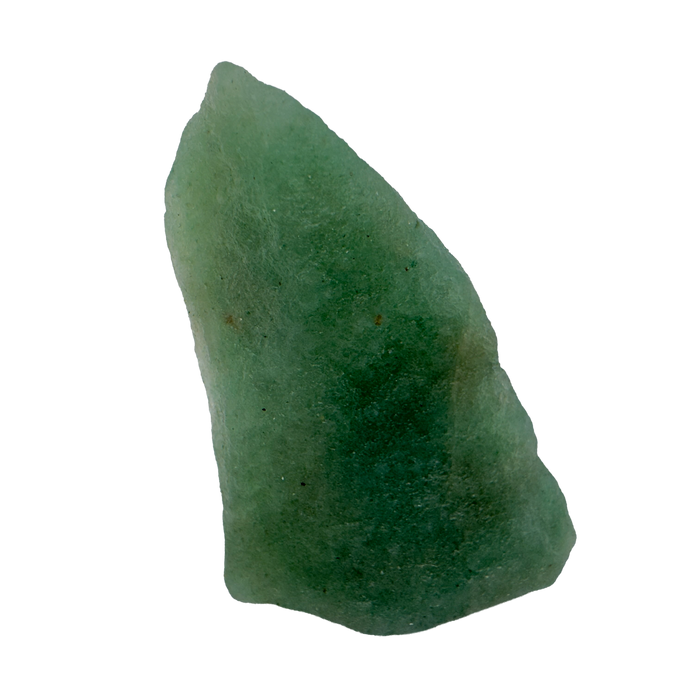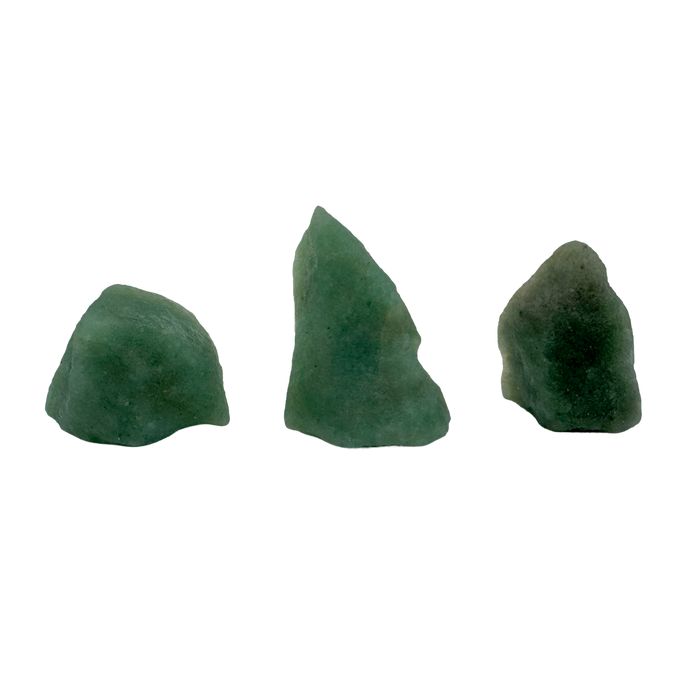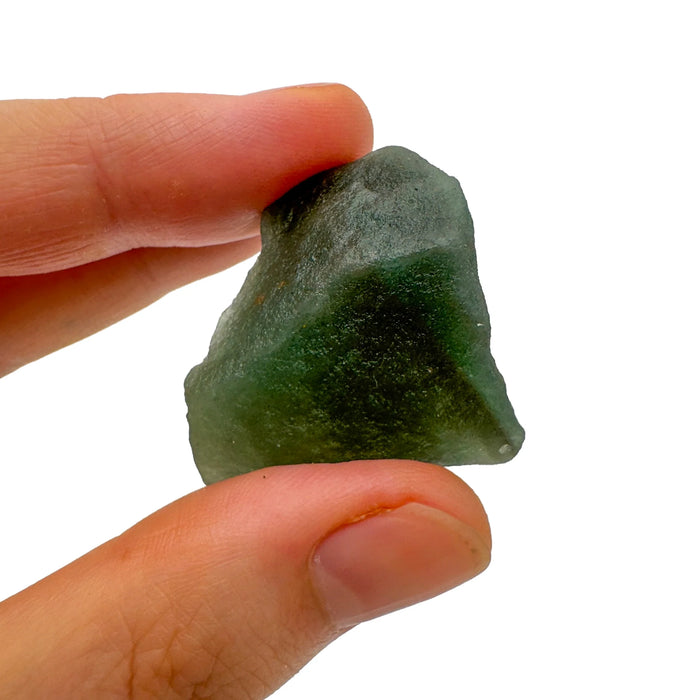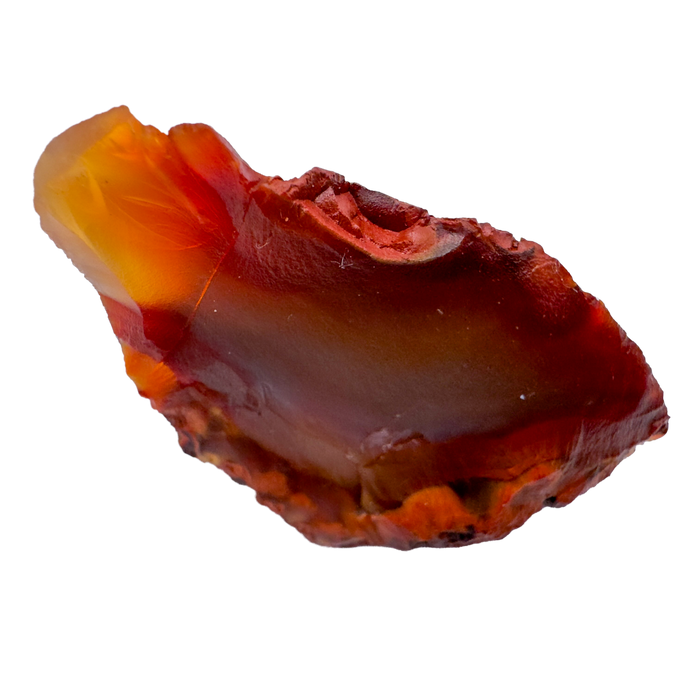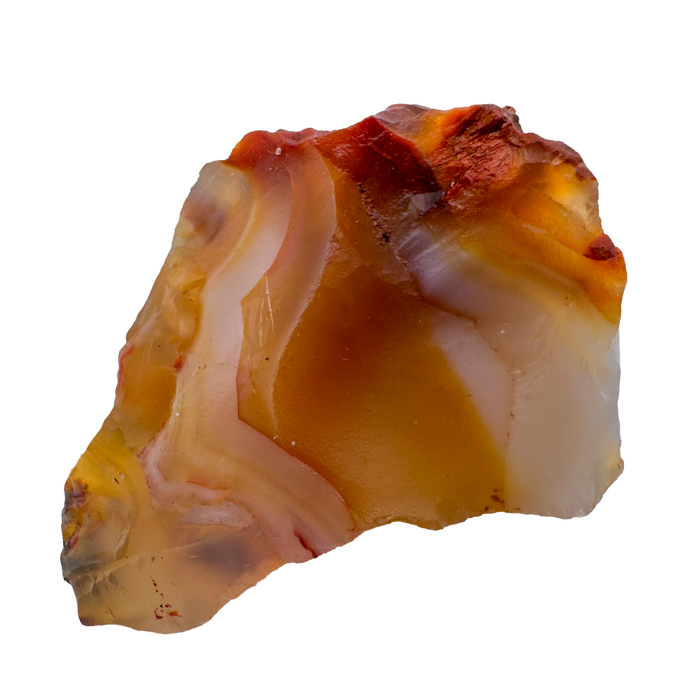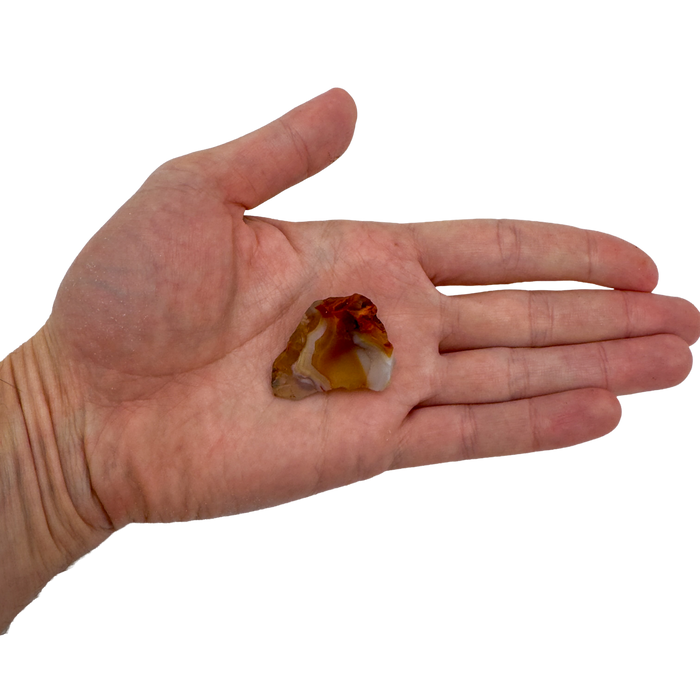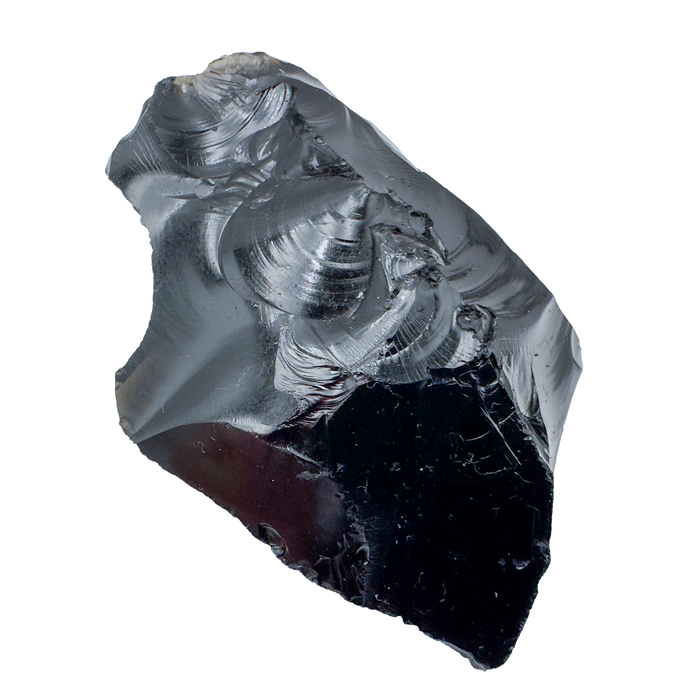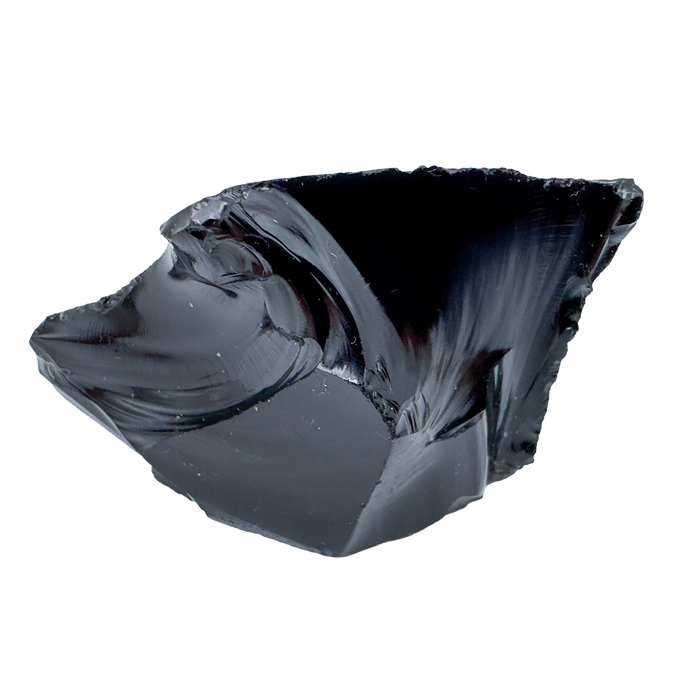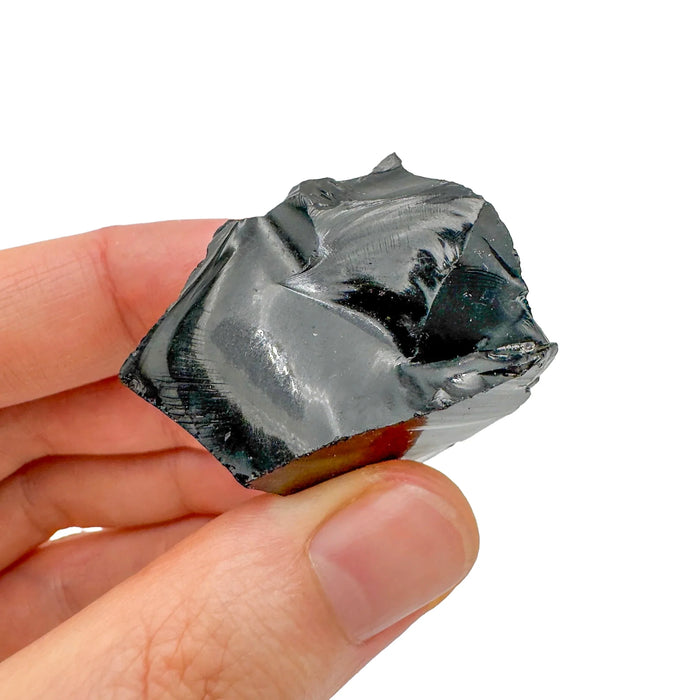
























































Black tourmaline, black onyx, and hematite reach the same dark color by three unrelated routes. What each one is, and why most black onyx on the market is dyed.
Crystals for Protection: What the Stones Actually Are

Walk past any protection shelf in any crystal shop and you notice the same thing. Almost everything on it is black. That is not a styling choice. Three of the most common protection stones are three completely unrelated minerals that arrive at the same dark color by three different routes, and knowing which one you are holding changes how you buy it and how you keep it.
Black Tourmaline
Black tourmaline is the stone most people name first, and the mineral has its own name: schorl, the iron-rich member of the tourmaline family. The iron is why it is black. It is also why a good piece feels heavier than it looks. Run a fingernail up the side of a raw crystal and you will catch fine vertical striations, the record of the crystal growing straight up out of the host rock. At 7 to 7.5 on the Mohs scale it is hard enough to live in a pocket without much thought. Ours are raw from Vakinankaratra, Madagascar. The full mineral story sits in our black tourmaline guide.
A note on obsidian
The other stone that dominates this shelf is black obsidian, volcanic glass rather than a crystal at all. We put the two head to head in a separate piece, black tourmaline vs black obsidian, so this article leaves that comparison there and spends its time on the two stones that get less attention.
Black Onyx
Black onyx is the glossy, evenly dark stone that looks almost like polished glass. It is chalcedony, quartz grown in grains too small for the eye to separate, and it sits around 6.5 to 7 on the Mohs scale. Here is the part worth carrying with you: naturally solid black chalcedony is uncommon, so most of the black onyx sold anywhere has been dyed to reach that uniform color. Dyeing is not a scandal on its own. Not saying so is. Ours comes from Minas Gerais, Brazil, and it is natural and untreated. If you want the tells that separate dyed material from natural, our guide to spotting dyed crystals walks through them, and the black onyx guide covers the stone itself.
Hematite
Hematite is the odd one out, and the giveaway is the weight. It is iron oxide, an ore rather than a gem mineral, which is why a tumbled piece the size of a grape lands in your palm like something twice its size. Polished it goes mirror silver rather than true black. Drag it across unglazed ceramic and it leaves a rust red streak, which is where the name comes from, the Greek haima, meaning blood. It sits at 5.5 to 6.5 on the Mohs scale, softer than the other two and worth keeping out of a pocket full of keys. Ours is tumbled from Minas Gerais, Brazil. More in the hematite guide.
Black Tourmaline
Black Onyx
Hematite
If one of these is the one, a raw black tourmaline shows the striations best, a tumbled black onyx gives you that even glossy black without the dye, and a tumbled hematite is the one to hand someone who does not believe a small stone can be that heavy. Everything else on the shelf is in the protection collection.
What protection means here
No stone shields anyone from anything. What the tradition offers is older and simpler than that: a small solid object you put somewhere deliberate, by a door, on a desk, in a pocket, that reminds you of a decision you already made. People have used dark stones that way for a very long time, and the practice is worth respecting without dressing it up as physics. We would rather hand you the mineral, the origin, and the treatment status, and let the meaning be yours. Where these particular stones come from is on our sourcing page, and the wider list of stones tied to this intention is on crystals for protection.