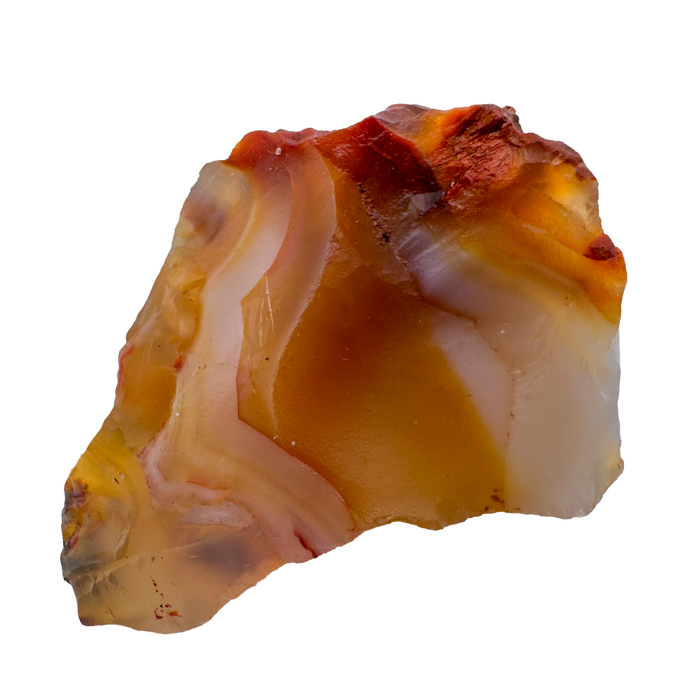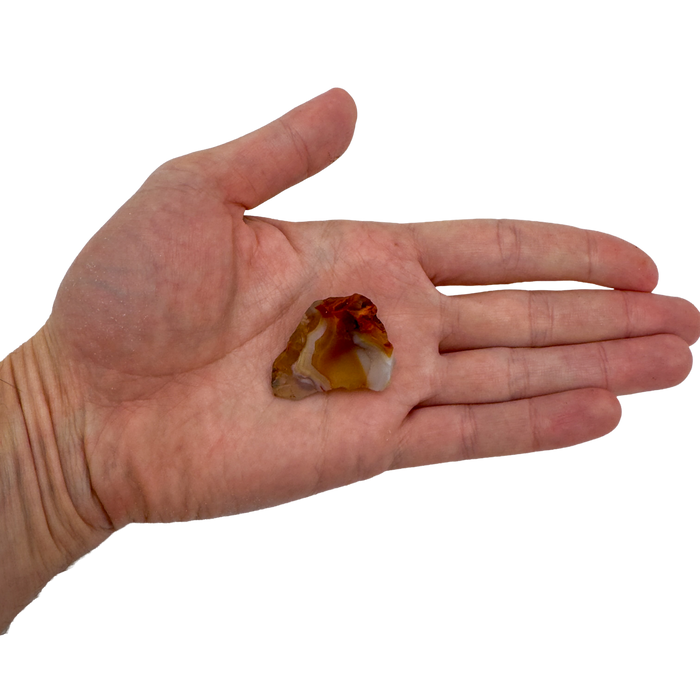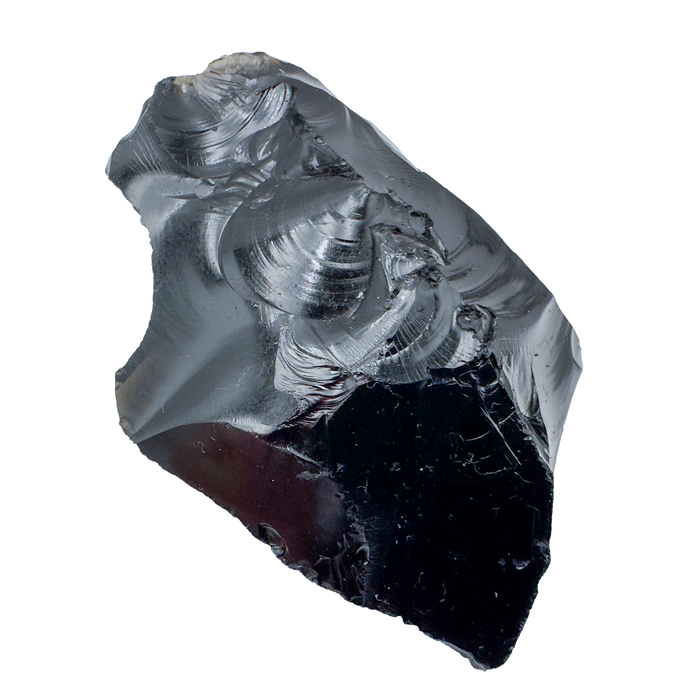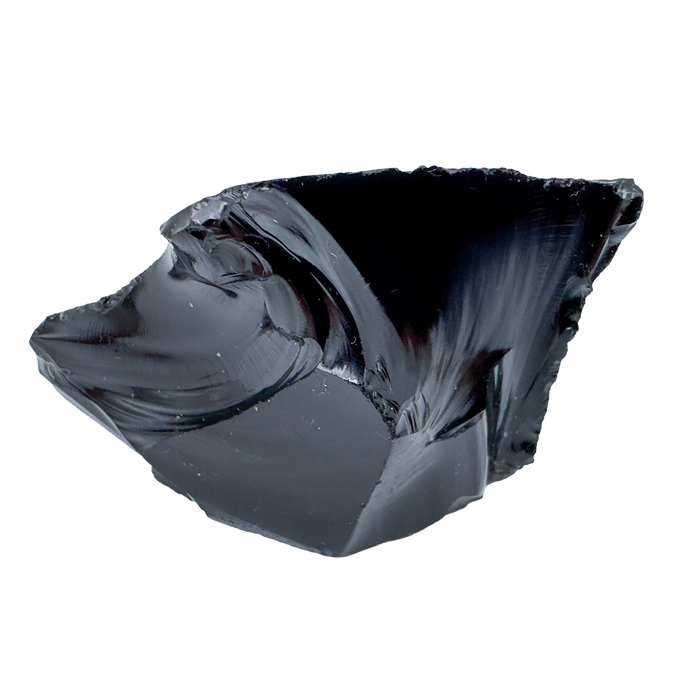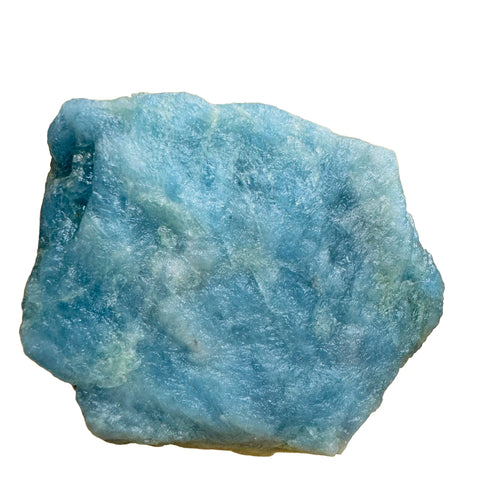














































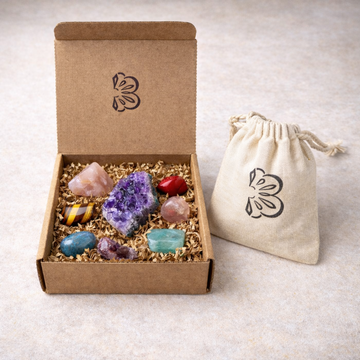
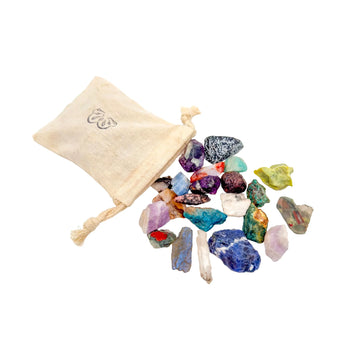










Rose quartz, pink opal, and cobalt calcite get their pink three different ways. What each one is, where ours are sourced, and which can handle a pocket.
Crystals for Love: What the Pink Stones Actually Are

The love shelf is pink, and that is where most people stop looking. But three of the pink stones we carry get their color three entirely different ways, and they run from a hard 7 on the Mohs scale down to a 3 you can scratch with a coin. That spread matters more than the color does. It decides whether a stone belongs in your pocket or on a shelf where nothing touches it.
Rose Quartz
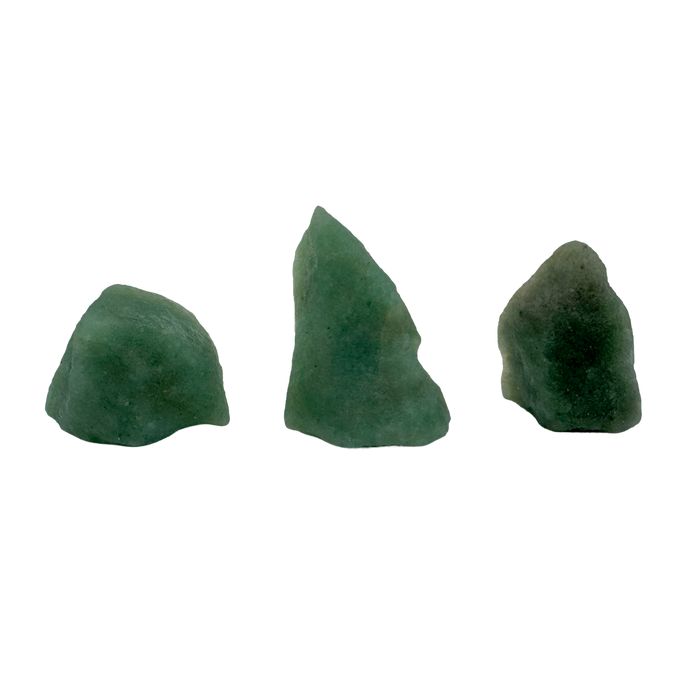
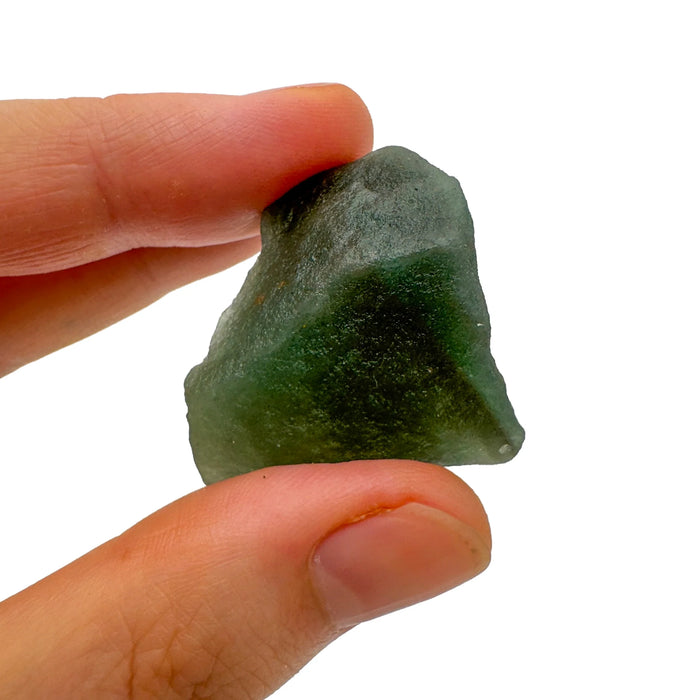
Rose quartz is the one everybody names, and it earns it. The color is a soft clouded pink, closer to a sunrise than to anything bright, and it comes from microscopic mineral fibers threaded all the way through the crystal rather than from anything applied to the surface. Break a piece and the inside looks like the outside. It is quartz, a hard 7, so it handles daily carry without complaint. The one real caution is light: prolonged direct sun will pull the pink out of it over time, which is covered in our piece on which crystals fade in sunlight. Ours is tumbled from Minas Gerais, Brazil. More in the rose quartz guide.
A note on rhodonite
The other stone people weigh against rose quartz is rhodonite, the pink one veined with black. We already put those two side by side in rose quartz vs rhodonite, so this piece leaves that comparison alone and looks at two pinks that get talked about far less.
Pink Opal
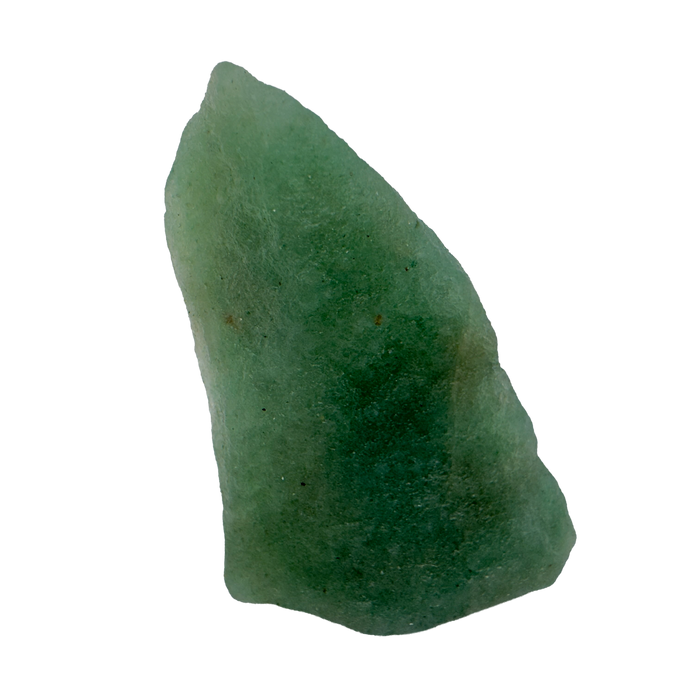
Pink opal is soft, matte, and completely opaque, which surprises people who expect an opal to flash. It does not, and that is not a defect. Opal is hydrated silica, silica with water locked into it, and unlike quartz it never organized itself into a crystal structure. The varieties that throw rainbows have an internal arrangement that splits light; this one does not, so it is what the trade calls common opal, and its gentle pink comes from trace minerals caught in the silica as it formed. It sits at 5 to 5.5 and, because of that water content, it wants dry care. Wipe it rather than soaking it. Ours is raw from Arequipa, Peru. The pink opal guide goes further.
Cobalt Calcite
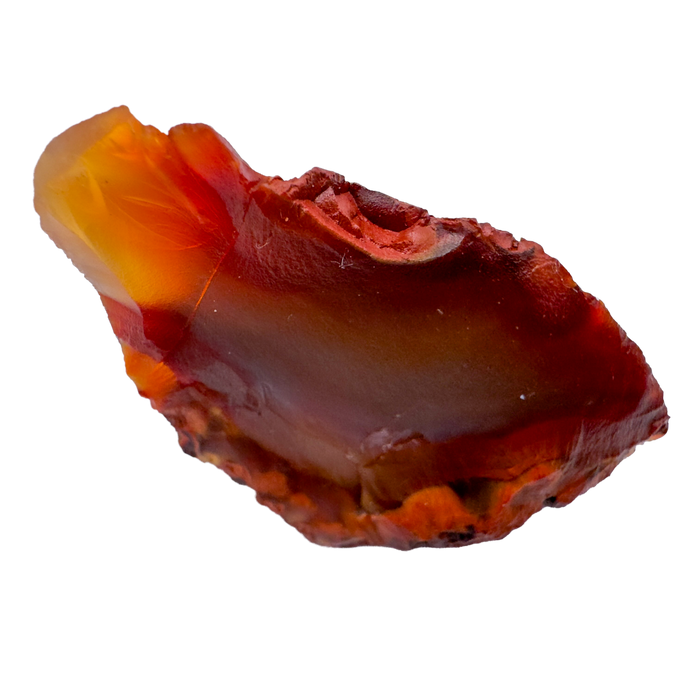
Cobalt calcite is the showpiece of the three, a raspberry to rose pink crusted over a matrix, and the color comes from trace cobalt sitting inside ordinary calcite. It is also the most fragile stone on this list by a wide margin: calcite is a 3 on the Mohs scale, soft enough to mark against a fingernail, and it dislikes water and pressure equally. Store it on its own, away from your quartz. Worth knowing before you shop it anywhere: a good deal of the cobalt calcite on the market has been dyed or heat treated to push the pink. Ours comes from Haut-Lomami in the Democratic Republic of the Congo and is natural and untreated. See the cobalt calcite guide, and if you want the general tells, our guide to spotting dyed crystals covers them.
Rose Quartz
Pink Opal
Cobalt Calcite
For something you will actually carry, a tumbled rose quartz is the one that survives a pocket. A raw pink opal suits a desk or a windowsill out of the sun, and a raw cobalt calcite belongs somewhere it can simply be looked at. The rest are in the love collection.
What these stones can and cannot do
A stone does not bring anyone to your door. What people have done with pink stones for centuries is quieter than that. You keep one where your eye lands, and it asks you a question you were already circling. That is not nothing, and it is also not magic, and we would rather say so plainly than sell you the other version. What each piece comes to mean is yours to work out. If you want to know who mined these and under what conditions, that is on our sourcing page. The wider list for this intention lives on crystals for love.