



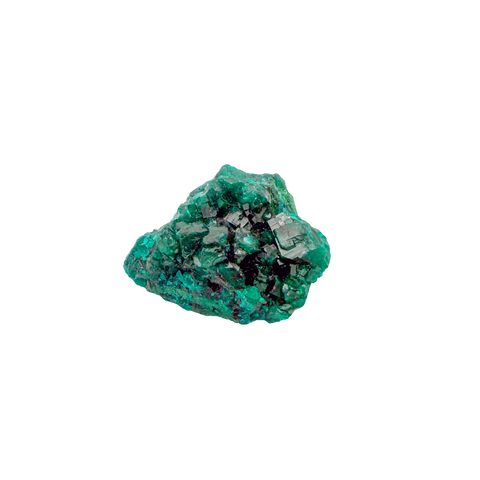
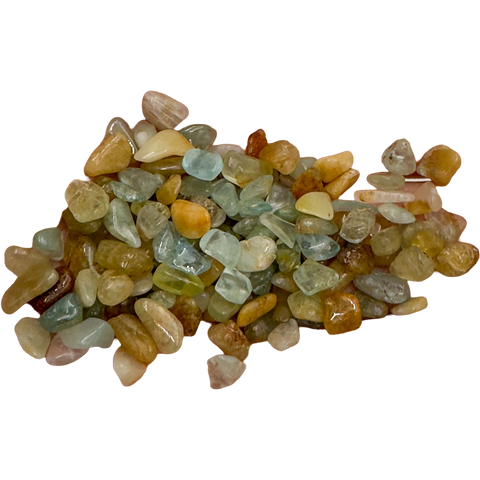
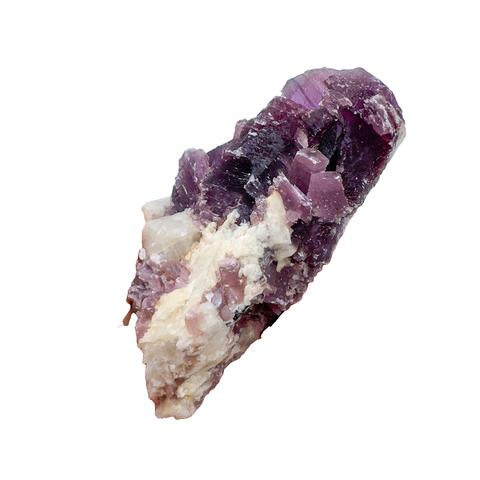
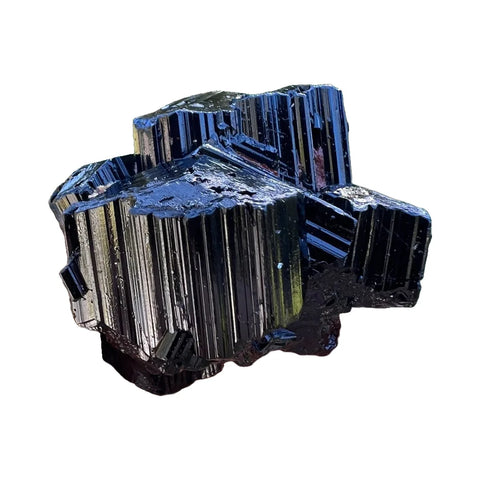
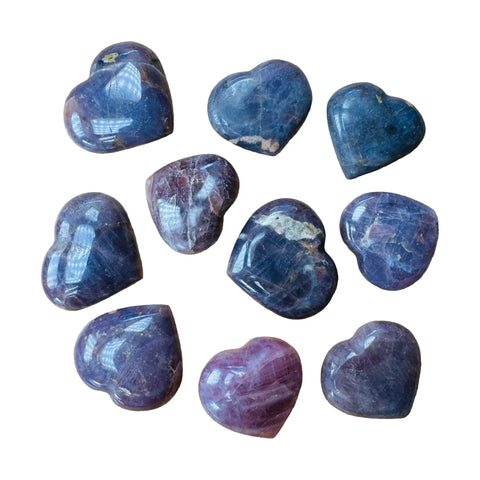
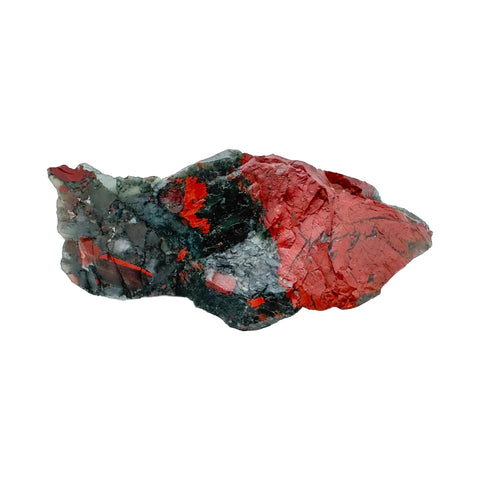
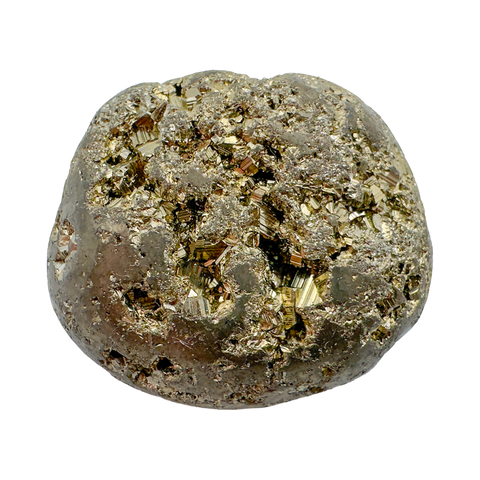
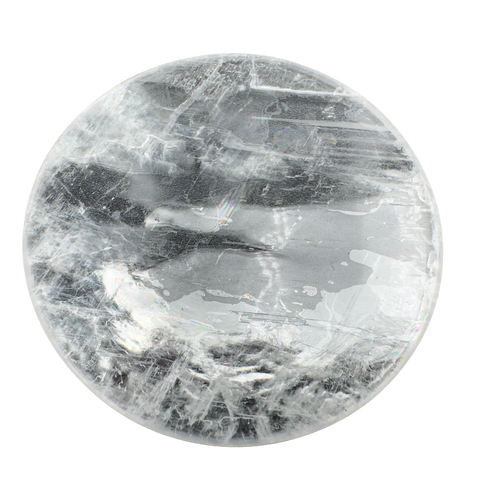







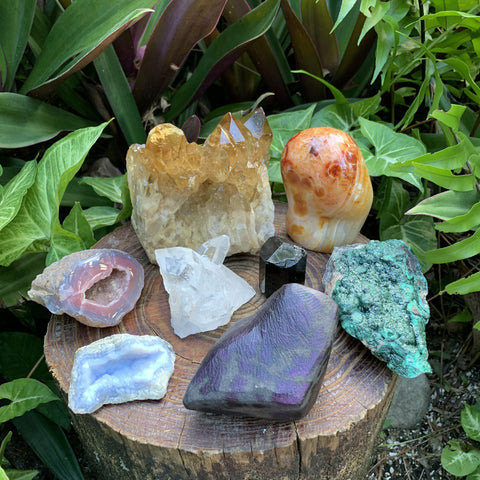

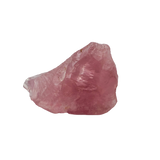
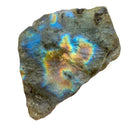
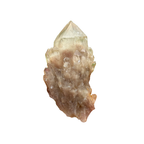
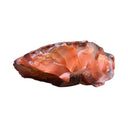
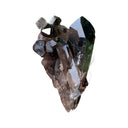
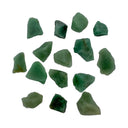
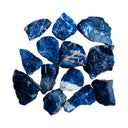
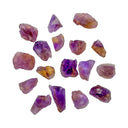


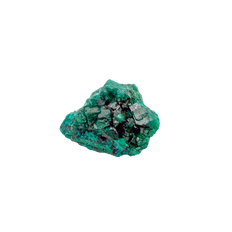
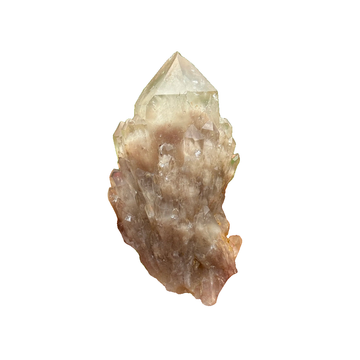
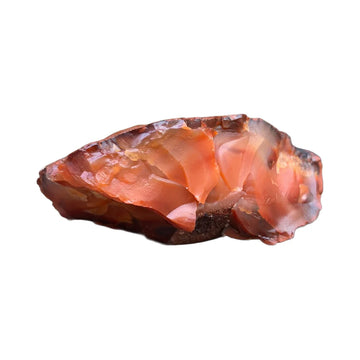
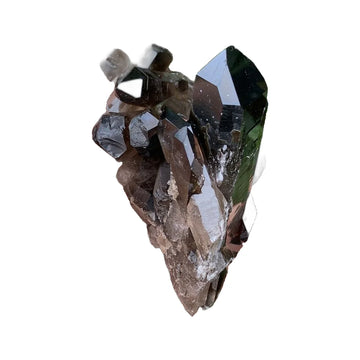




Amethyst, celestite, and fluorite run from Mohs 7 down to 3. That spread decides which stone you can hold in your hand and which one stays on the shelf.
Crystals for Meditation: What the Stones Actually Are

Most guides to meditation stones tell you what each one is for. Almost none tell you what each one is, or that the three most recommended pieces run from a hard 7 on the Mohs scale down to a 3, which is the difference between a stone you can close your hand around and one that will not survive being closed on. Here is the mineral behind each, and where each one actually belongs.
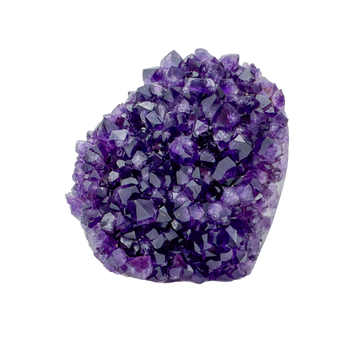
Amethyst
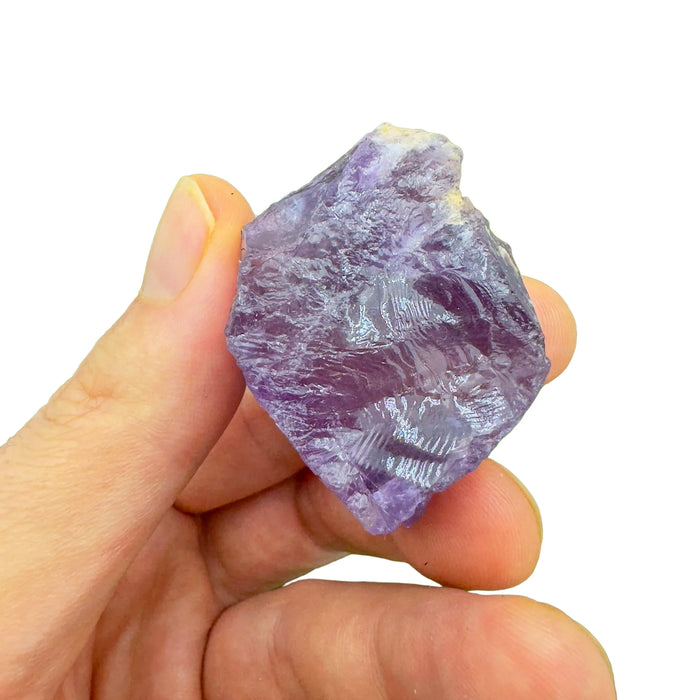
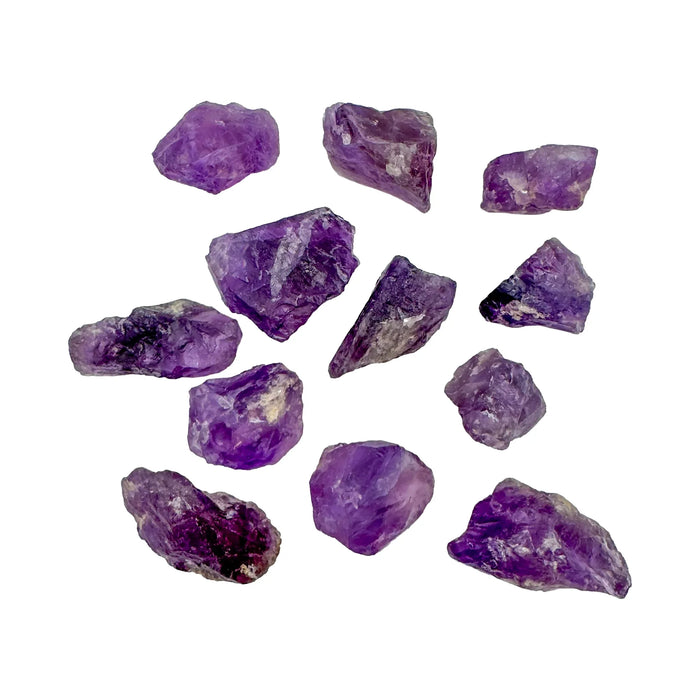
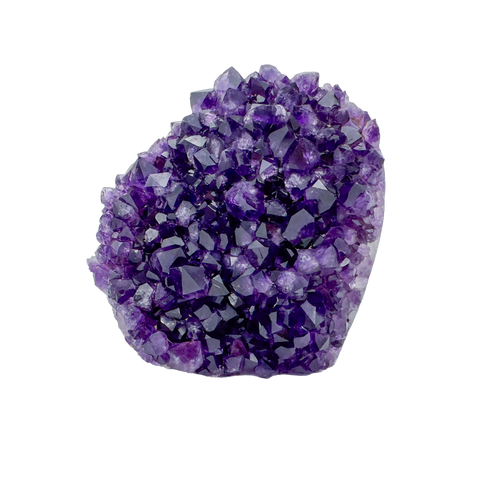
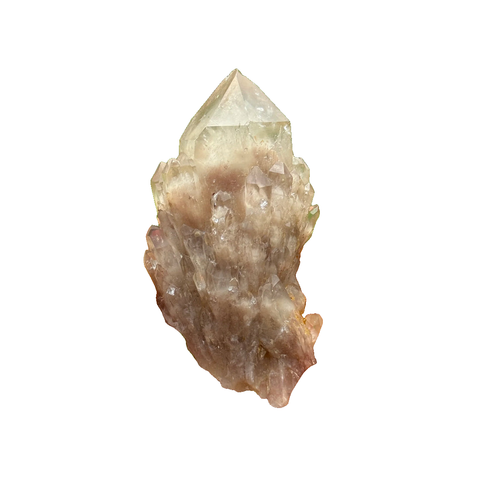
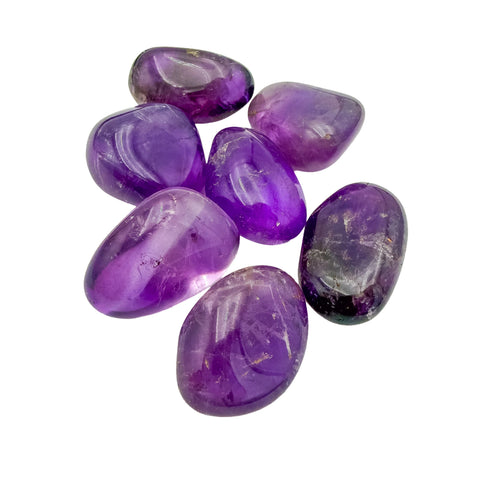
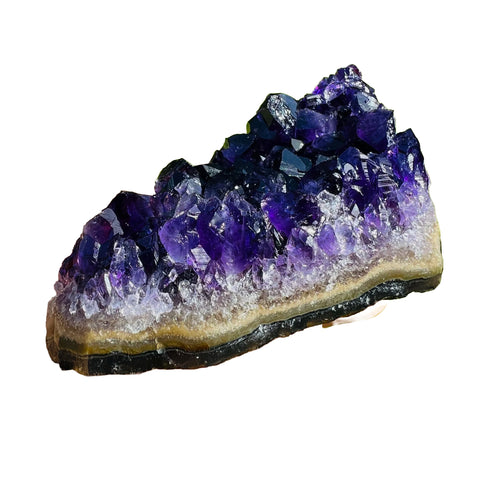
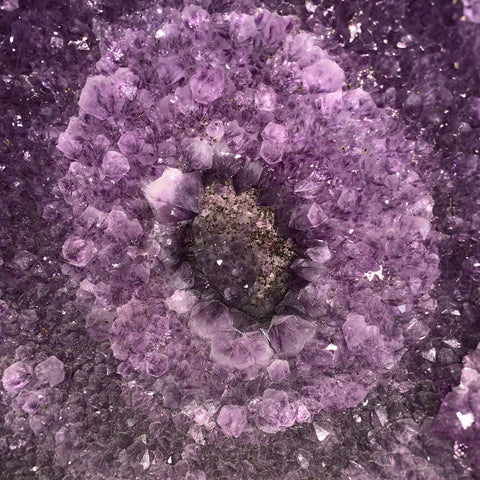
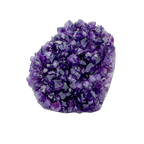
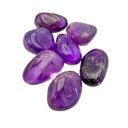
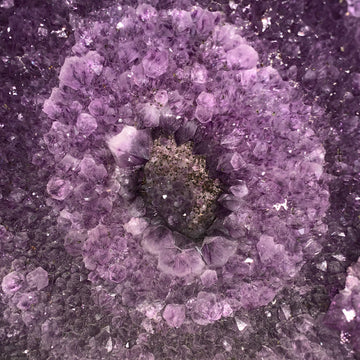
Amethyst is quartz, the same mineral as clear quartz and rose quartz, turned purple by traces of iron plus natural radiation deep in the earth over a very long time. That is the whole mechanism, and it explains why the color runs from pale lavender to deep violet even inside one cluster. We covered it at length in why is amethyst purple. At a 7 on the Mohs scale it is the toughest stone on this page and the only one here that is genuinely fine to hold, carry, and set down carelessly. One buying note: a lot of amethyst on the market has been heat treated or irradiated to deepen or shift the color. Ours are natural clusters from Artigas, Uruguay. See the amethyst guide.
A note on selenite and clear quartz
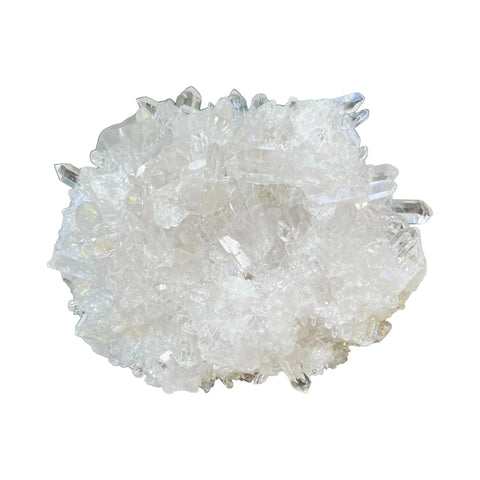
The two other names that come up constantly here are selenite and clear quartz, and we already weighed them against each other in selenite vs clear quartz. Rather than repeat that, the two stones below are the ones people reach for second and know least about.
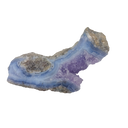
Celestite
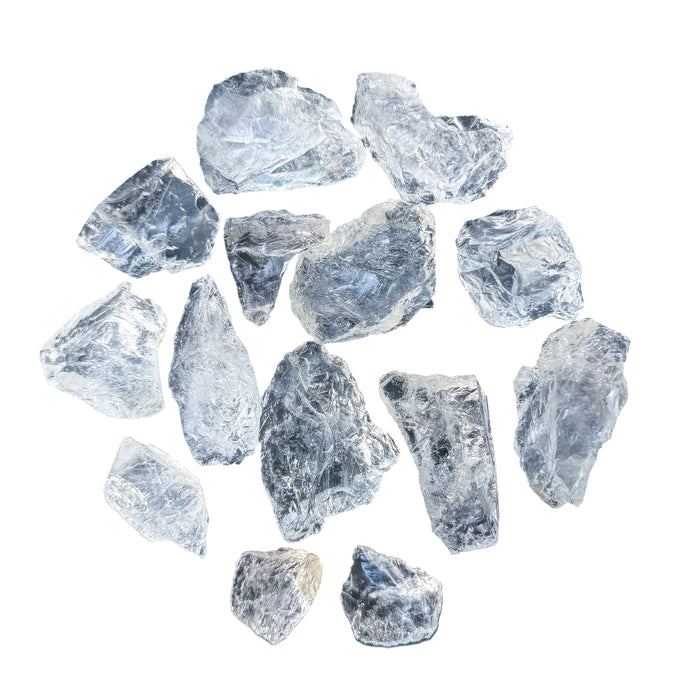
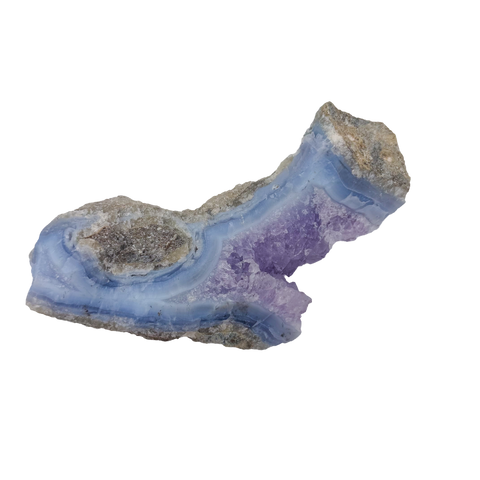
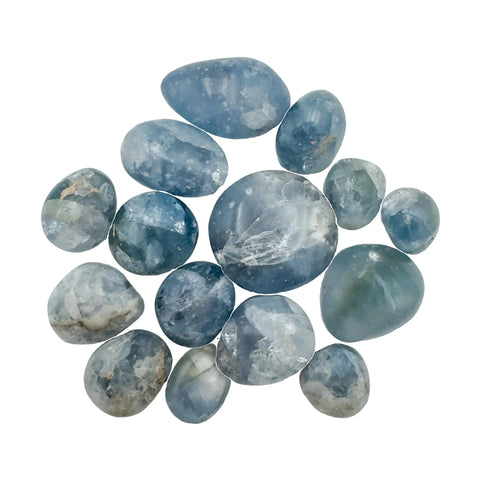
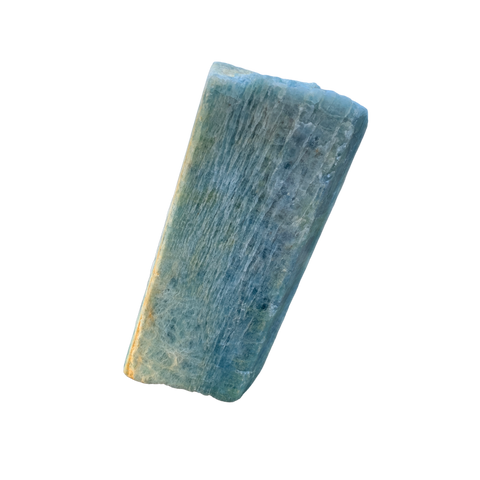
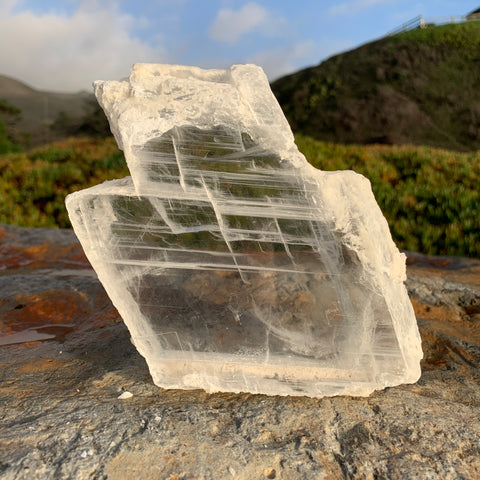
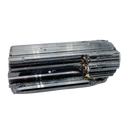
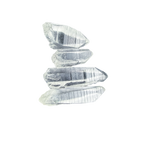
Celestite is the pale sky blue one, and it is a genuinely different mineral from anything else on the shelf: strontium sulfate, grown as clean bladed crystals inside a geode. The name traces to the Latin caelestis, heavenly, for the color. It is also delicate. At 3 to 3.5 on the Mohs scale it will mark if it knocks against quartz, and the blue fades with prolonged direct sunlight. This is a stone for a shelf or an altar, kept dry and kept apart from harder pieces, not for a pocket. Ours are raw from Sakoany, Madagascar. The celestite guide has more.
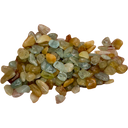
Fluorite
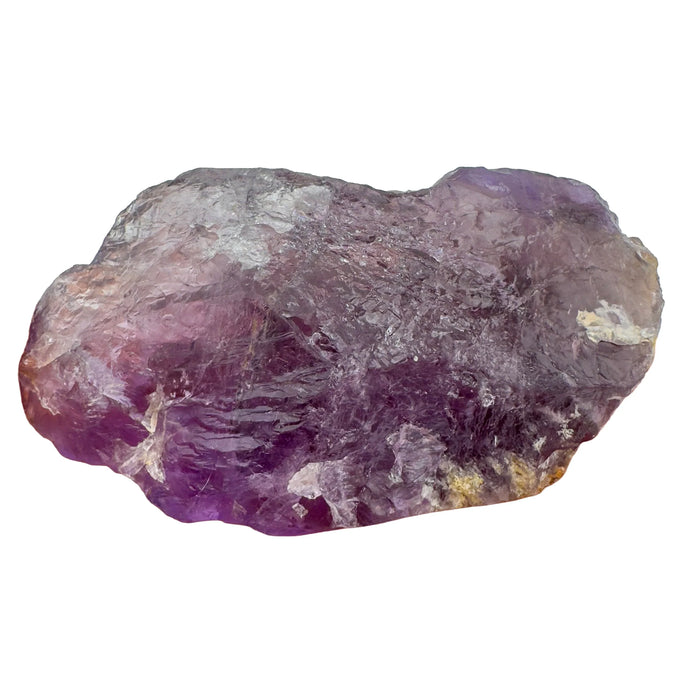
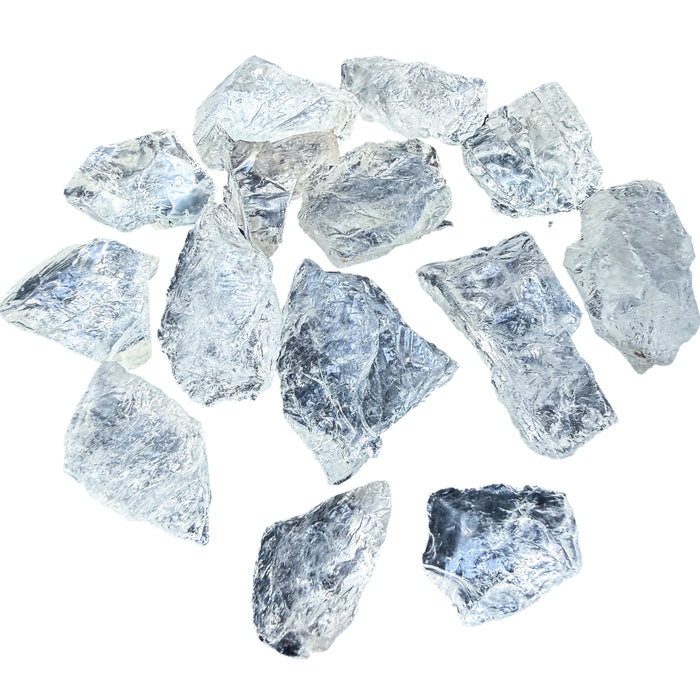
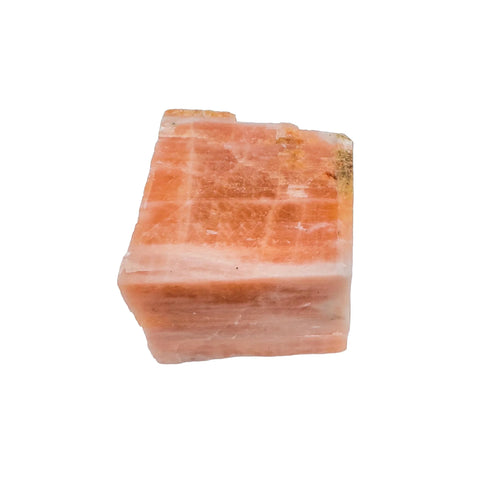
Fluorite is calcium fluoride, and it is the one that comes banded, with green, purple, and clear zones stacked inside a single piece where the growing crystal picked up different trace elements at different moments. Those bands are a record of its own history. It is soft enough to carve, which is why the market is full of fluorite shapes, and soft enough to chip, at a 4 on the Mohs scale. Its one piece of trivia is a good one: the word fluorescence was named after this mineral, because fluorite was where the effect was first described. Ours is raw from Erongo, Namibia. More in the fluorite guide.
Amethyst
Celestite
Fluorite
If you want one stone in your hand, a raw amethyst cluster is the durable choice. A raw celestite and a raw fluorite are both better in front of you than around you. Everything tied to this intention is in the meditation collection.
Holding one, or not
There is no correct way to sit with a stone, and anyone who tells you there is has invented the rule. Some people close a hand around something with weight to it because the weight is the point, a small physical anchor for attention that keeps wandering. Others set a piece in front of them and never touch it. Both are old practices and neither needs a mechanism to be worth doing. What we can tell you with confidence is the part that is checkable: what the mineral is, where it was mined, and whether anything was done to it. That is on our sourcing page, and the fuller list for this intention is on crystals for meditation.