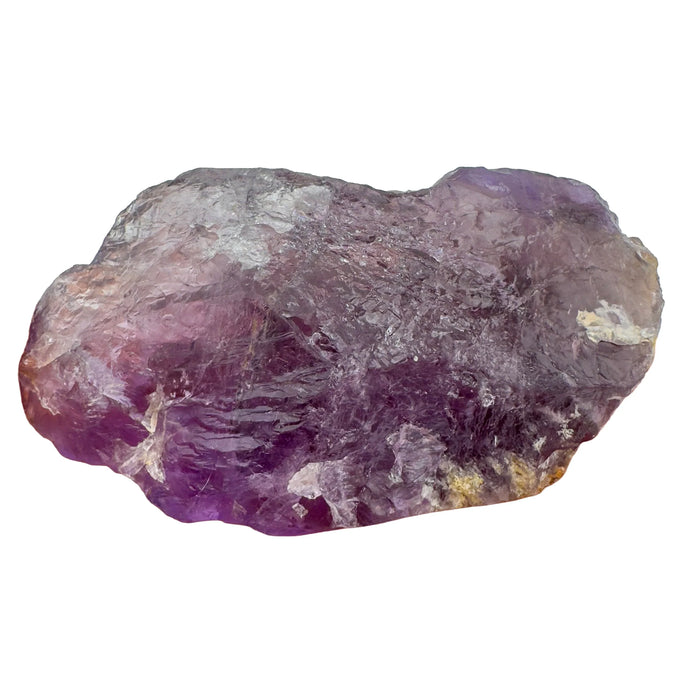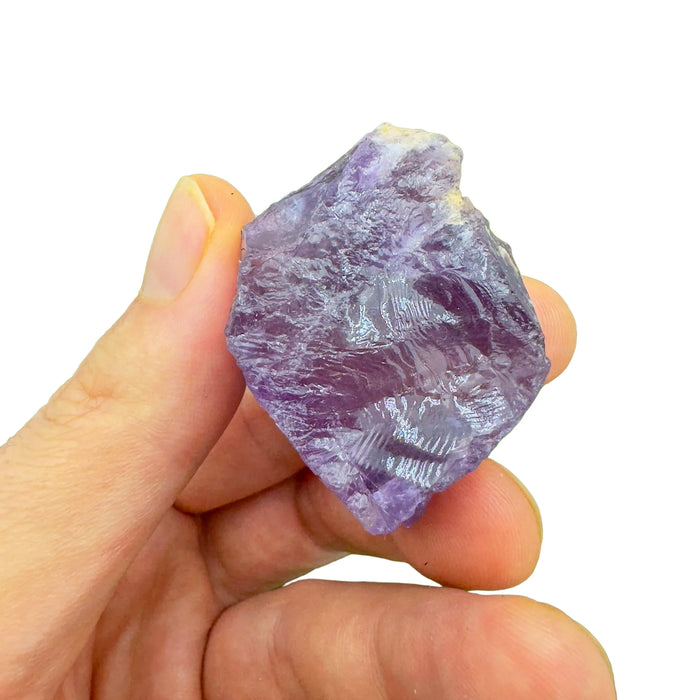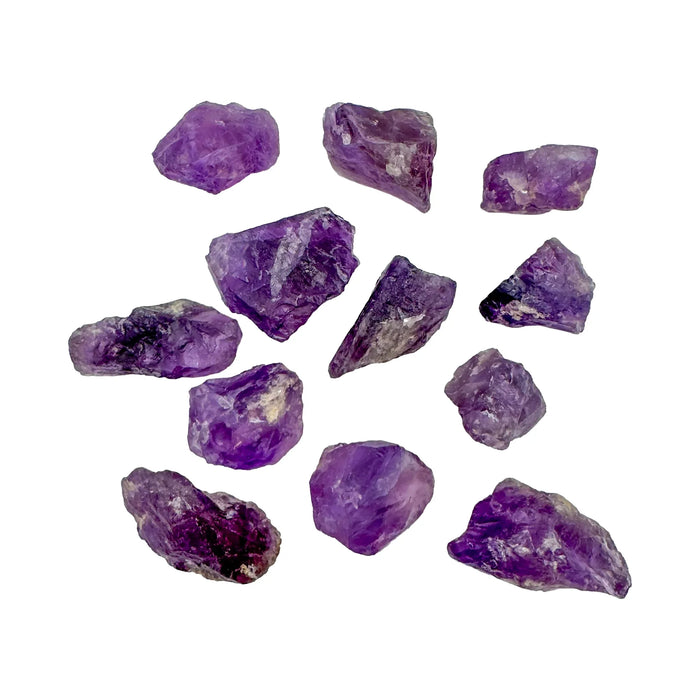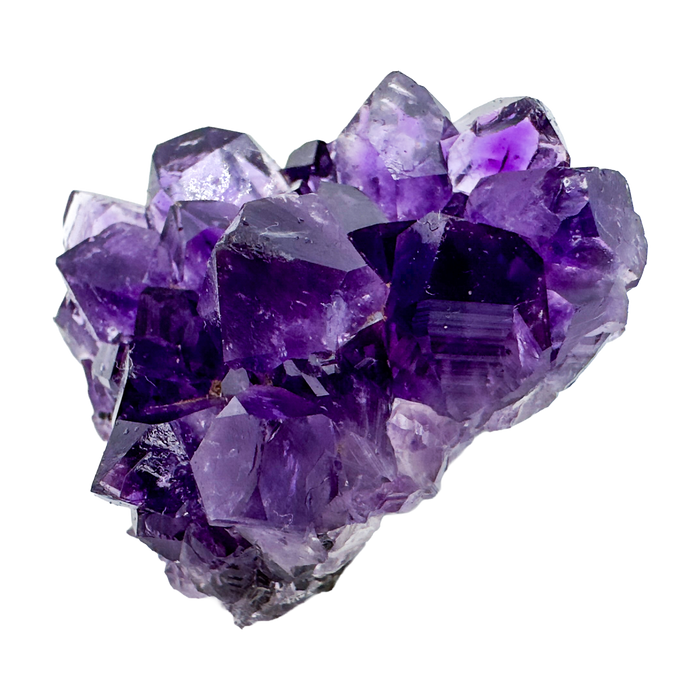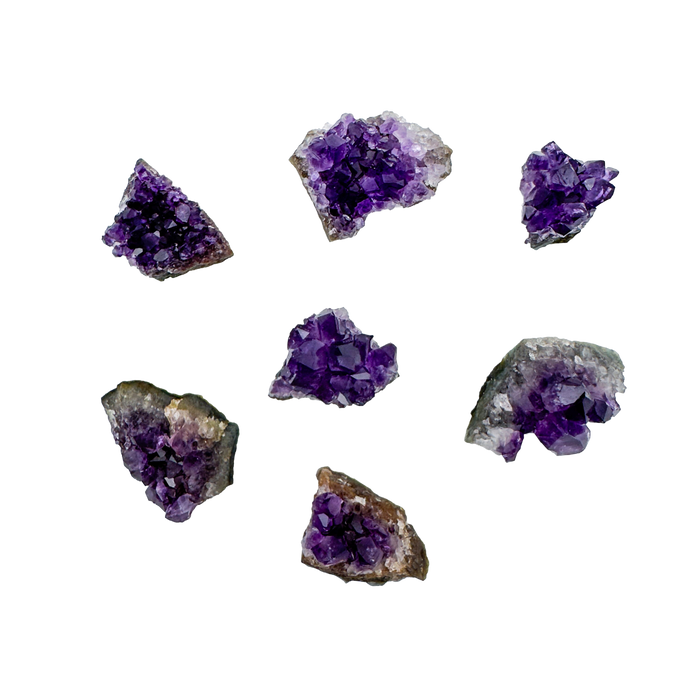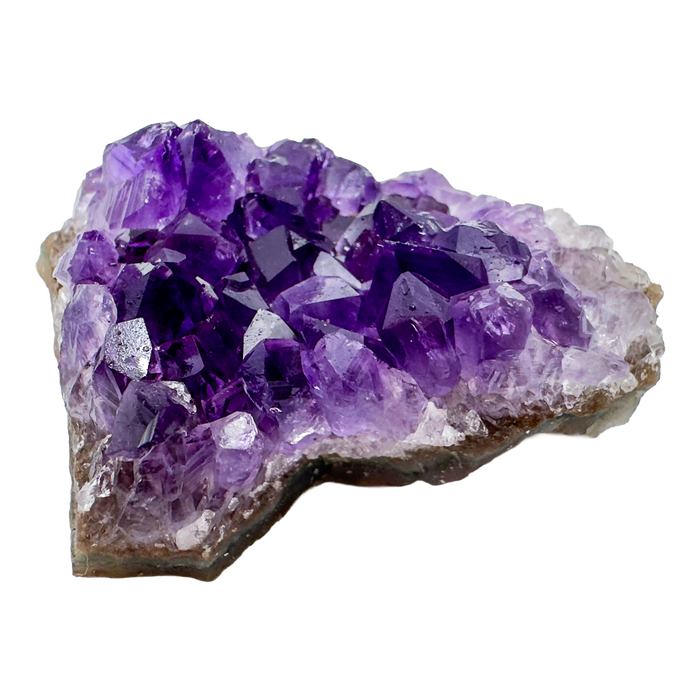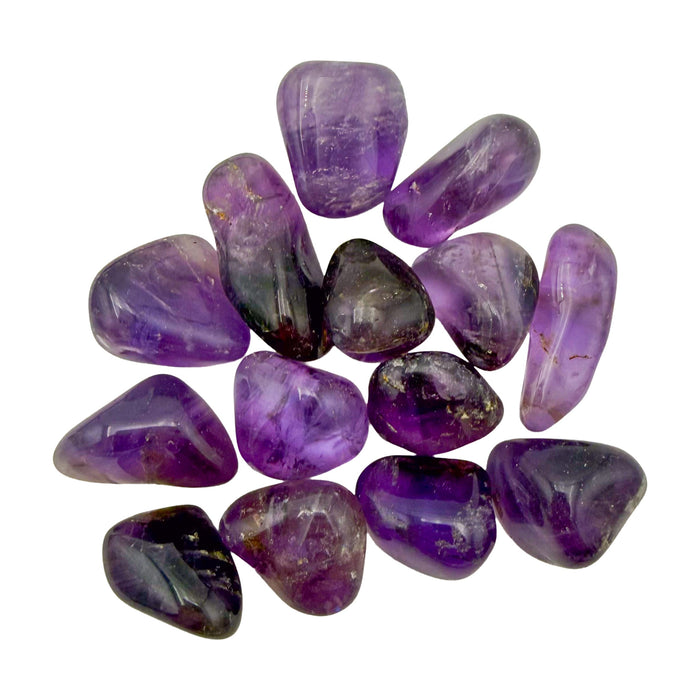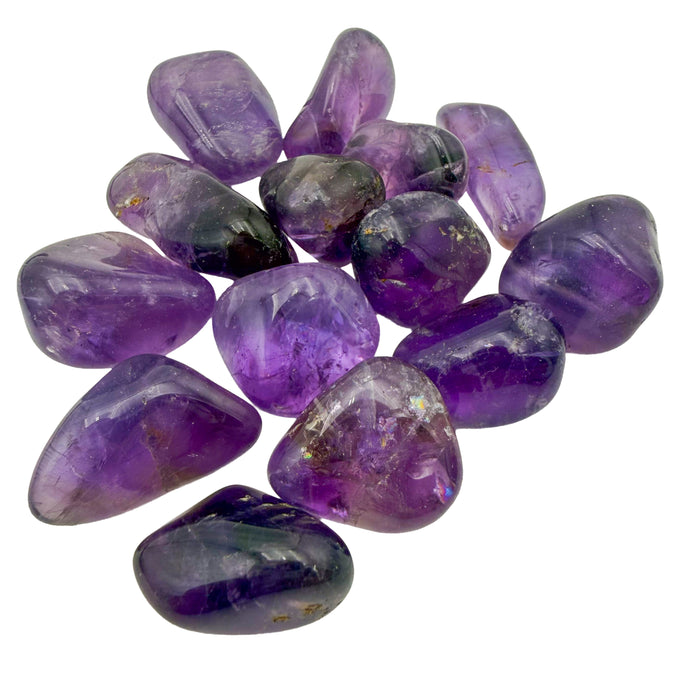




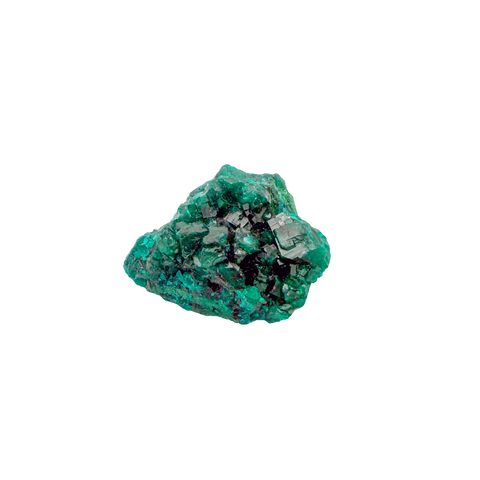
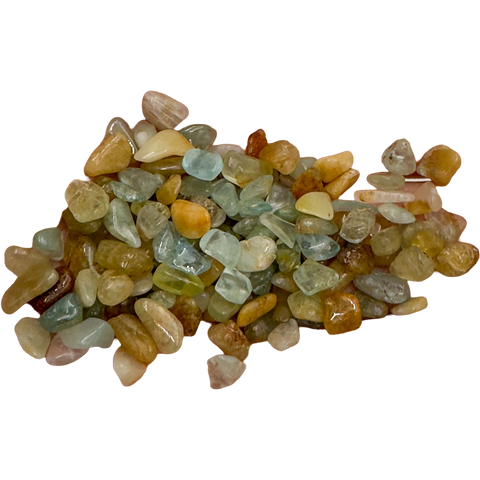
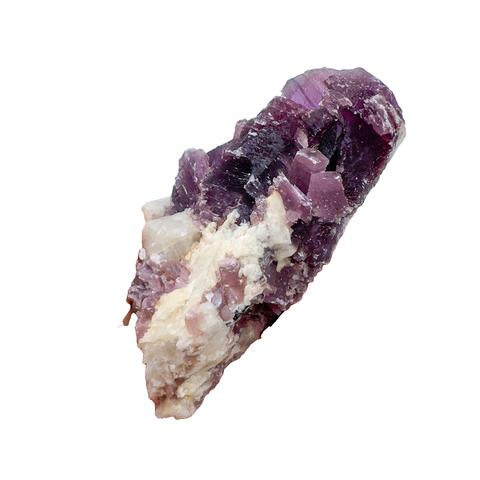
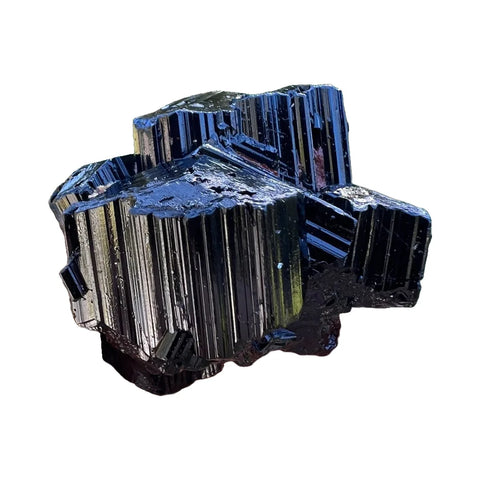
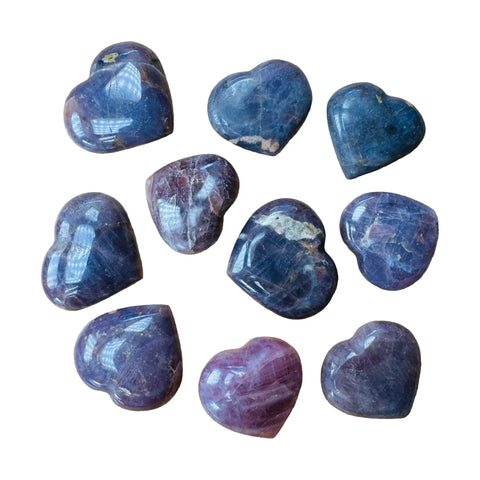
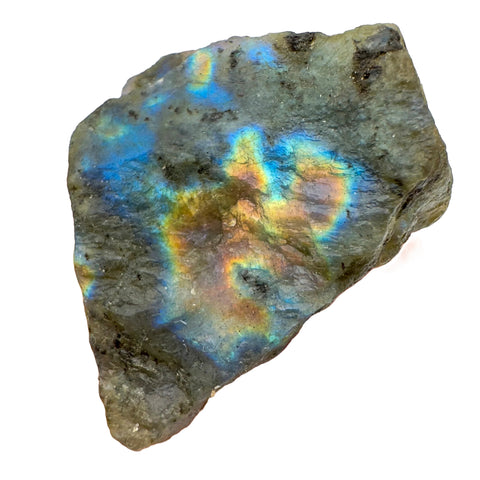
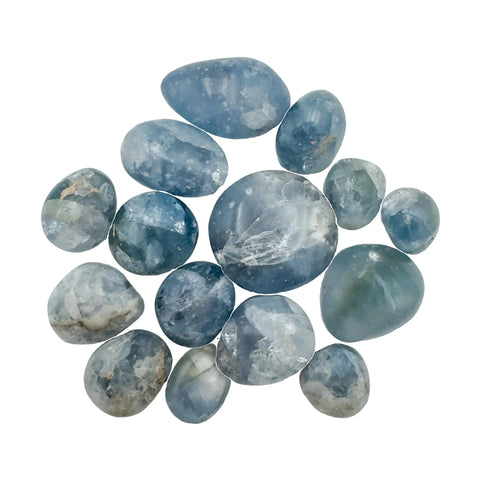


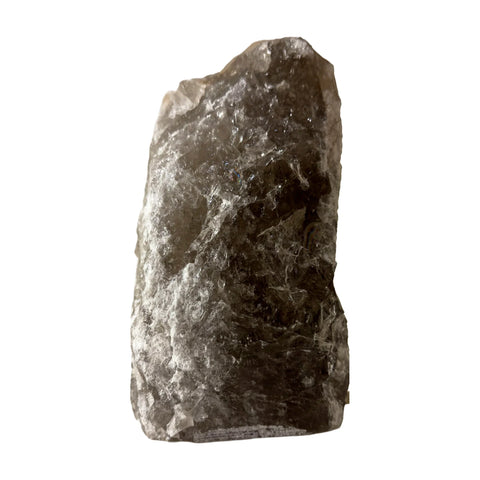
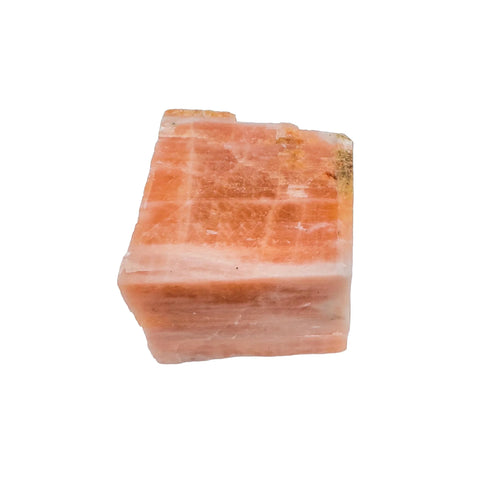
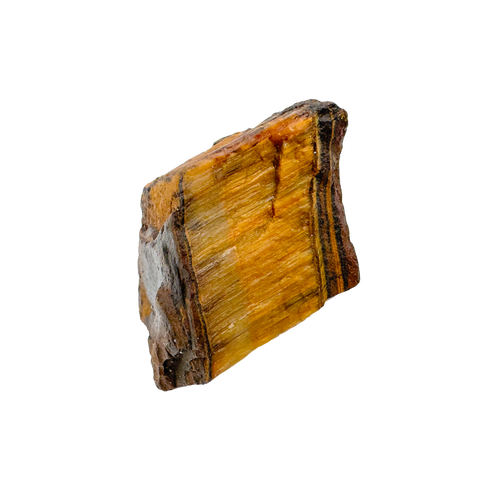
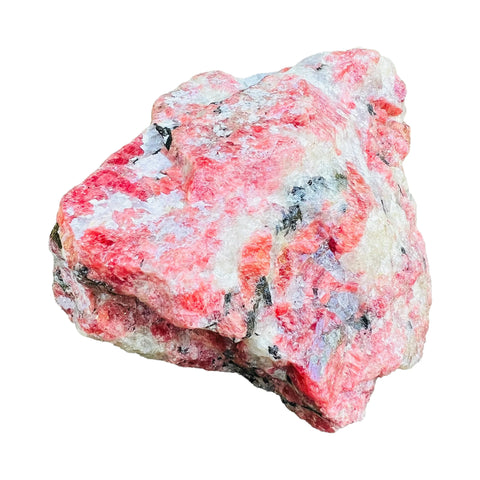
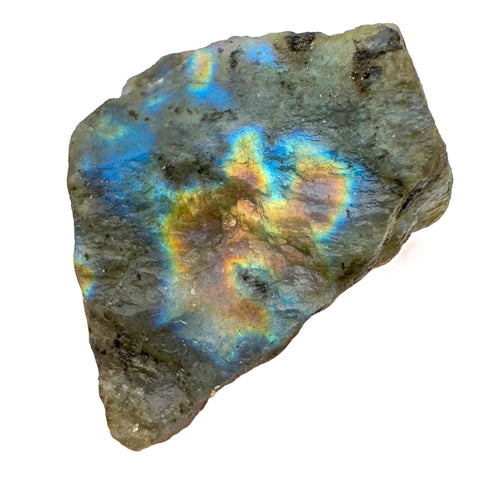





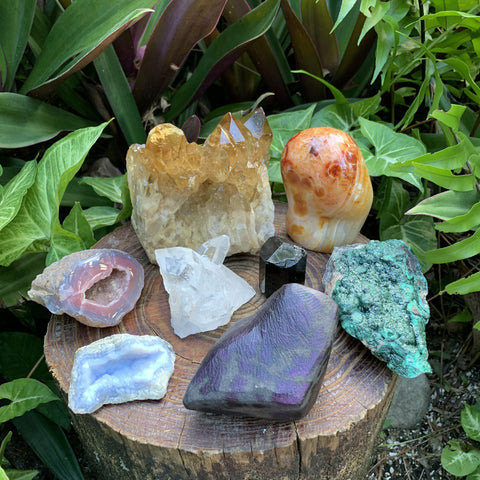





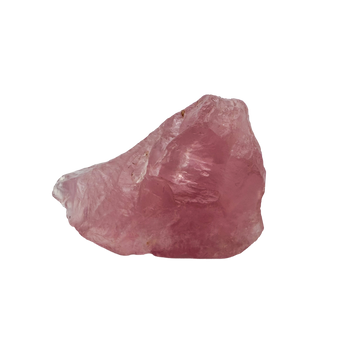
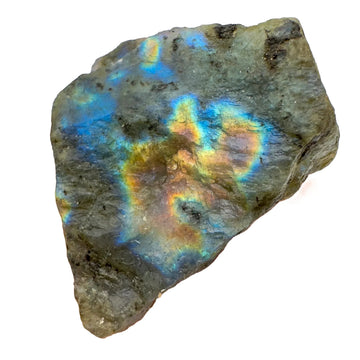
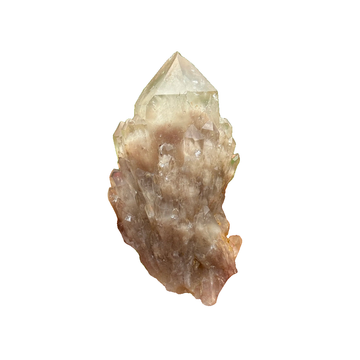
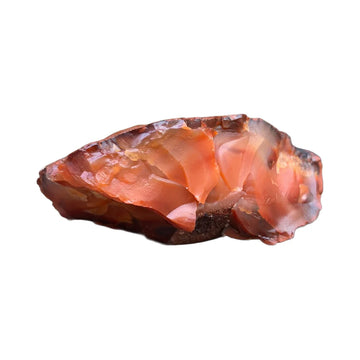







Aquarius' birthstone is February amethyst. The real geology behind amethyst, angelite, and hematite, plus why angelite should never get wet.
Crystals for Aquarius: The Water Bearer's Stones and Where They Come From

Aquarius runs from January 20 to February 18, and the stones tied to it lean cool and clear: soft sky blue, deep violet, a metallic gray with real weight to it. That reads as the air sign's clarity and independence, but the color and the feel always come back to what the stone is made of. Here's what those stones actually are, where they come from, and what the birthstone facts really say.
Aquarius's birthstones, the calendar version
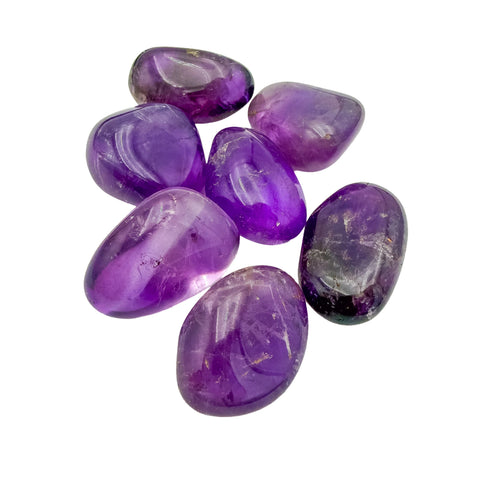
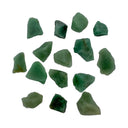
Because Aquarius straddles two months, it carries more than one traditional birthstone. January's stone is garnet, a deep red silicate worn as a birthstone for centuries. February's is amethyst, the purple variety of quartz and the stone most people picture when they think of the sign. Aquamarine and turquoise turn up on some older lists too. None of this is a rule you have to follow. It's simply the lineage, and it shifts with which side of the month you were born on.
The stones most often linked to Aquarius
Set the birthstones aside and a clear group remains, chosen across many crystal traditions for their cool color and their tie to the sign's air element.
Amethyst
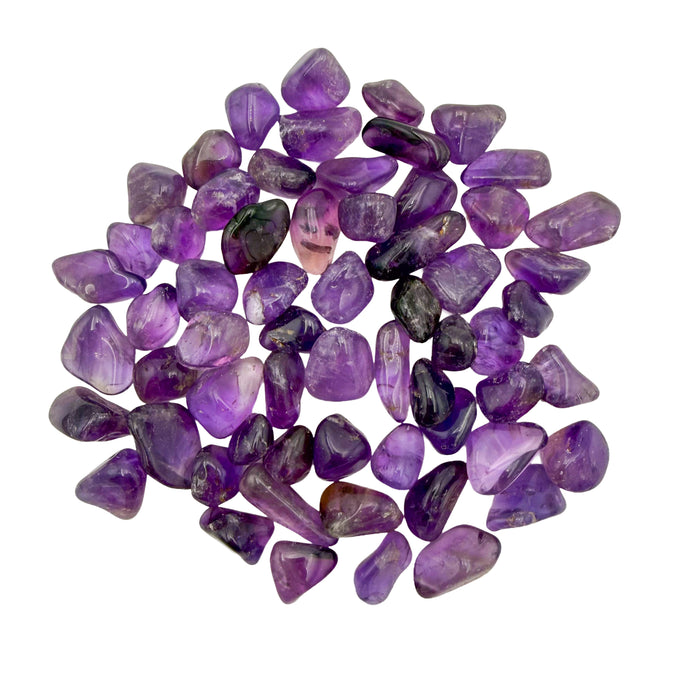
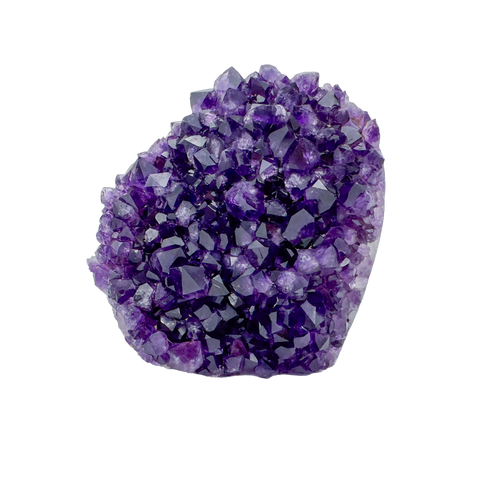
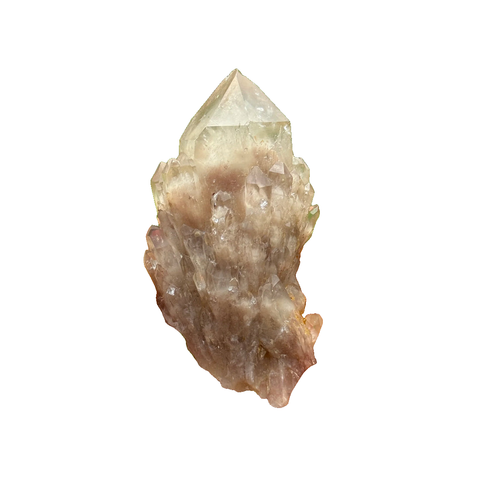
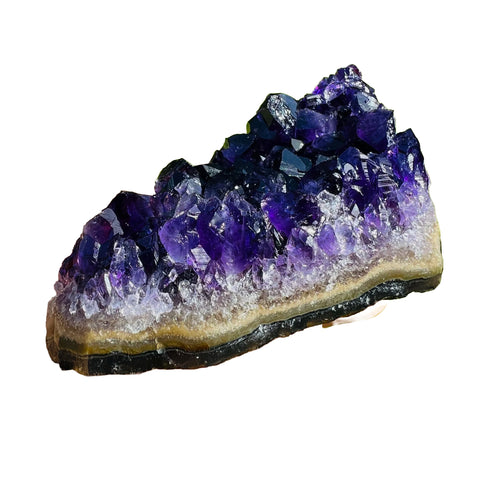
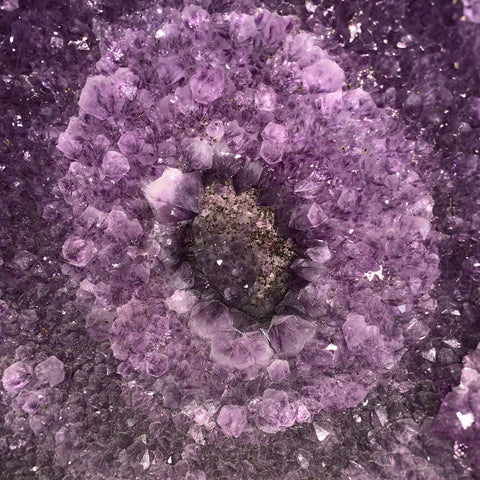
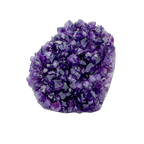
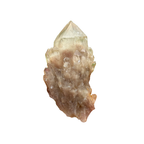
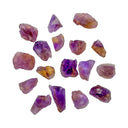
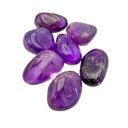
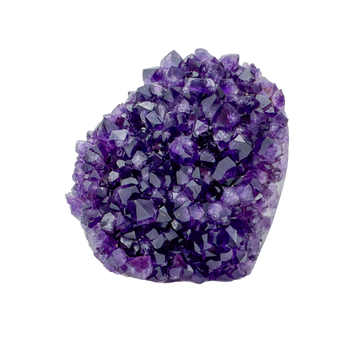
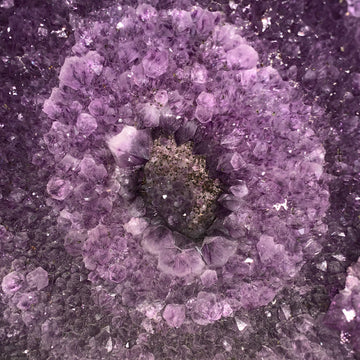
Amethyst is Aquarius's own February birthstone, so it earns the first spot. It's quartz, silicon dioxide, and its purple comes from traces of iron in the crystal reacting to natural radiation deep in the ground. It's a hard 7 on the Mohs scale, part of why it wears so well. Ours grows in clusters from Artigas, Uruguay, a region known for deep color. The full mineral story is in our amethyst guide.
Angelite
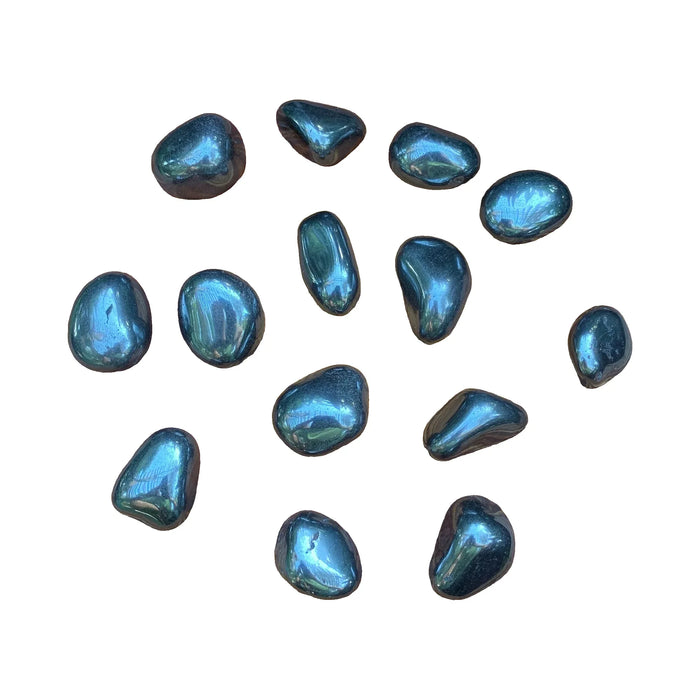
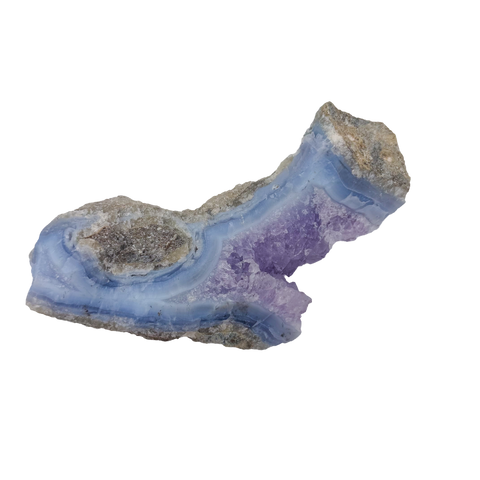
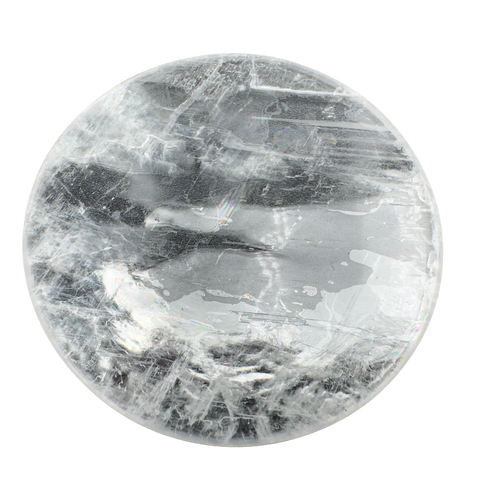
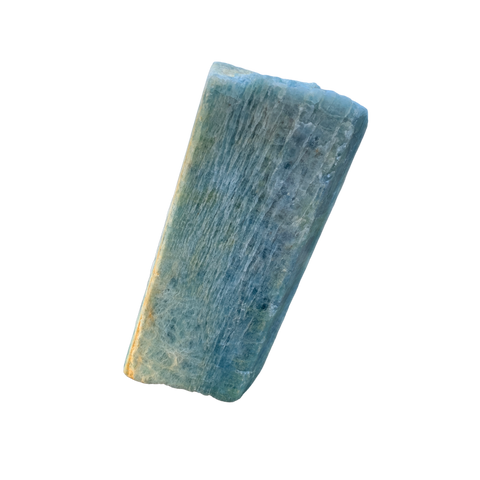
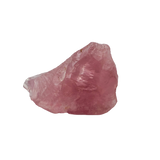
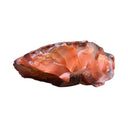
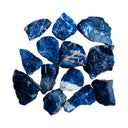
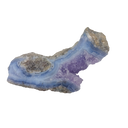
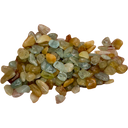
Angelite is the soft powder-blue stone with a chalky, matte surface. It's a form of anhydrite, a calcium sulfate, and it's genuinely soft, only around 3.5 on the Mohs scale. It also dislikes water, since anhydrite slowly turns back into gypsum when it gets wet, so it wants dry, gentle handling. Ours comes from Peru. More on how it forms is in the angelite guide.
Hematite
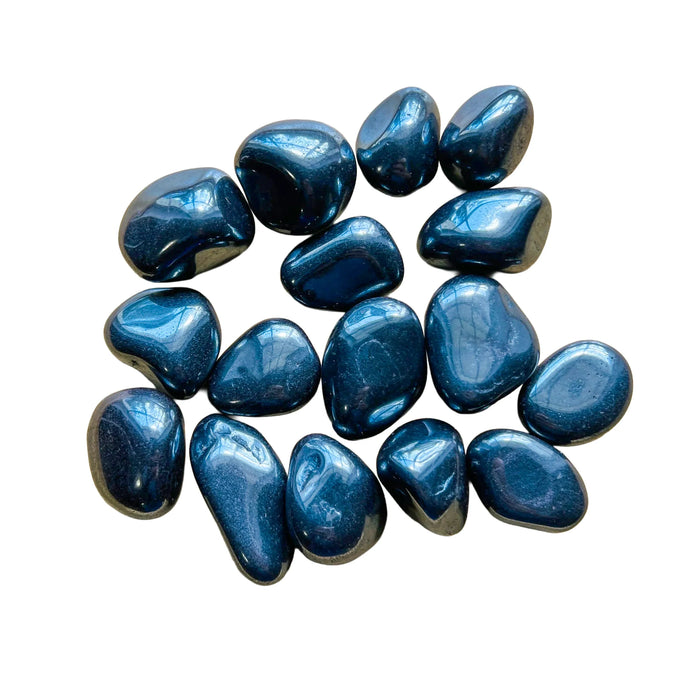
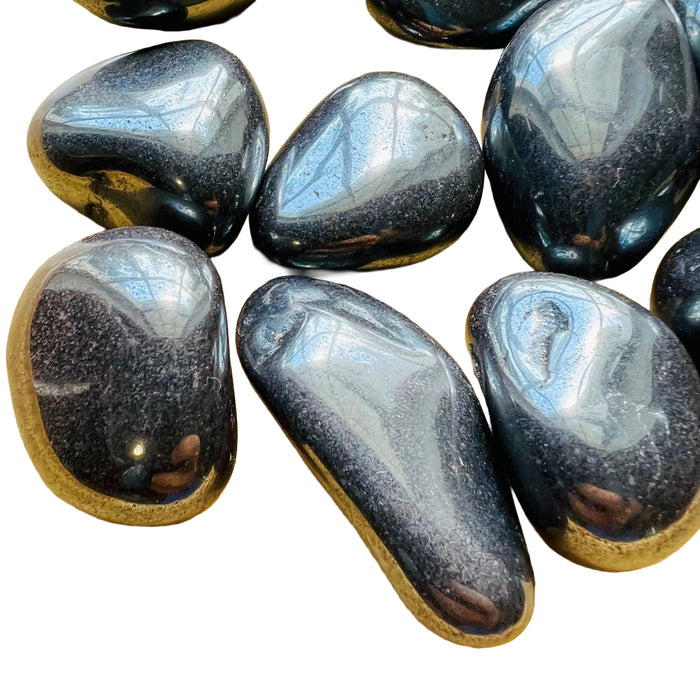
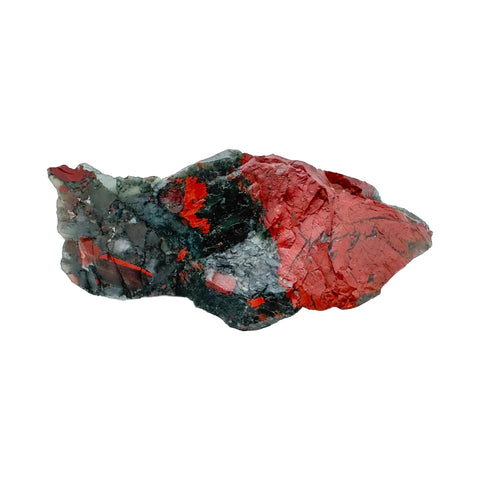
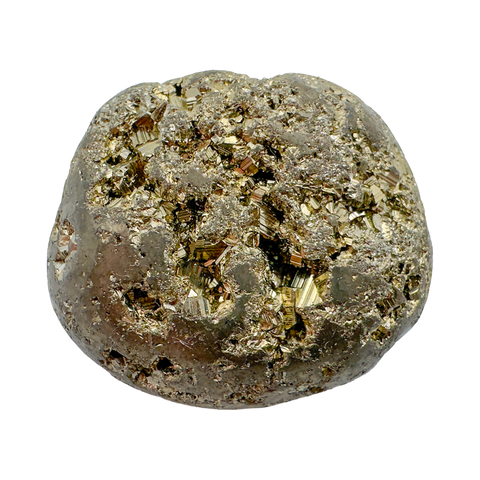
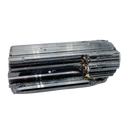
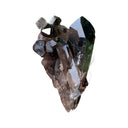
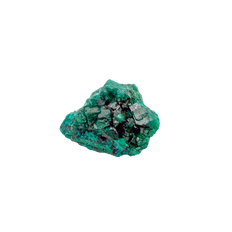
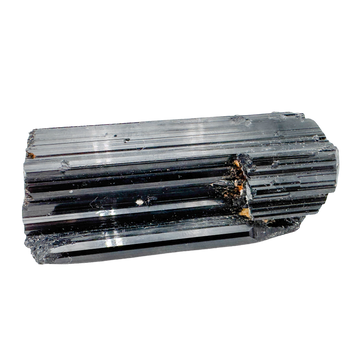
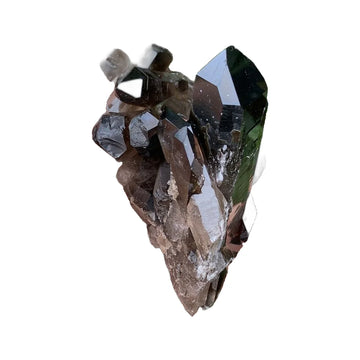
Hematite is the heavy metallic gray stone that feels denser than it looks. It's iron oxide, essentially a natural iron ore, and it earns its name from the Greek word for blood, because it leaves a rusty red streak when scratched. It sits around 5 to 6 on the Mohs scale and brings a grounding weight the airy Aquarius stones don't. Ours is raw from Brazil. The hematite guide covers the iron chemistry.
Amethyst
Angelite
Hematite
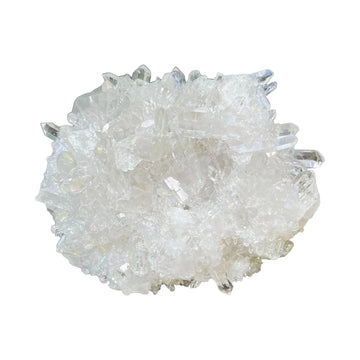
If one of these calls to you, a raw amethyst cluster shows the February birthstone in its natural form, a raw angelite brings the soft sky blue, and a raw hematite carries the metallic weight. You can see every stone tied to the sign in the Aquarius collection.
What the association actually means
None of this is science. A stone doesn't know your birthday, and no gem changes a personality. What the zodiac tradition offers is a way in, a starting point for people drawn to the idea of a stone that echoes their sign's clarity. The amethyst often called Aquarius's power stone is powerful the way a keepsake is: by story, not by physics. We'd rather tell you that plainly and let the stone be what it is. What a piece comes to mean is yours to find. If you want the fuller origin of these birthstone lists, our birthstones by month page traces where they came from.