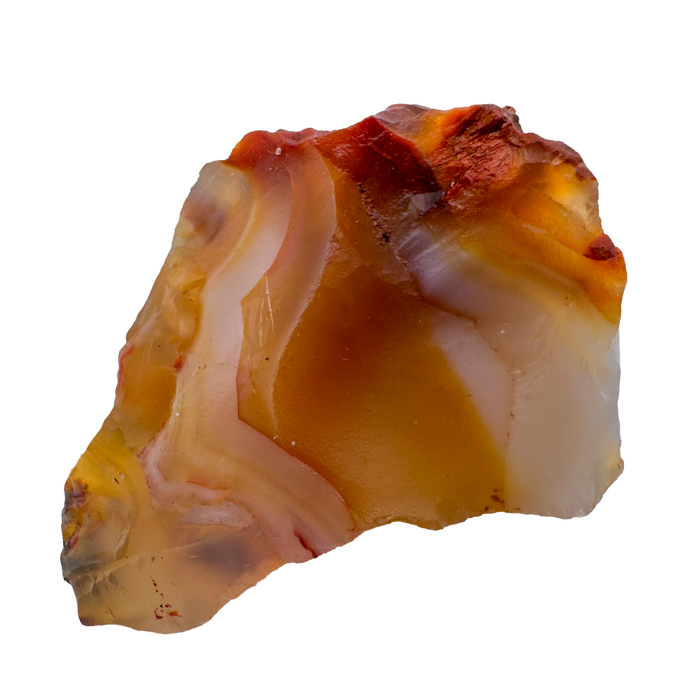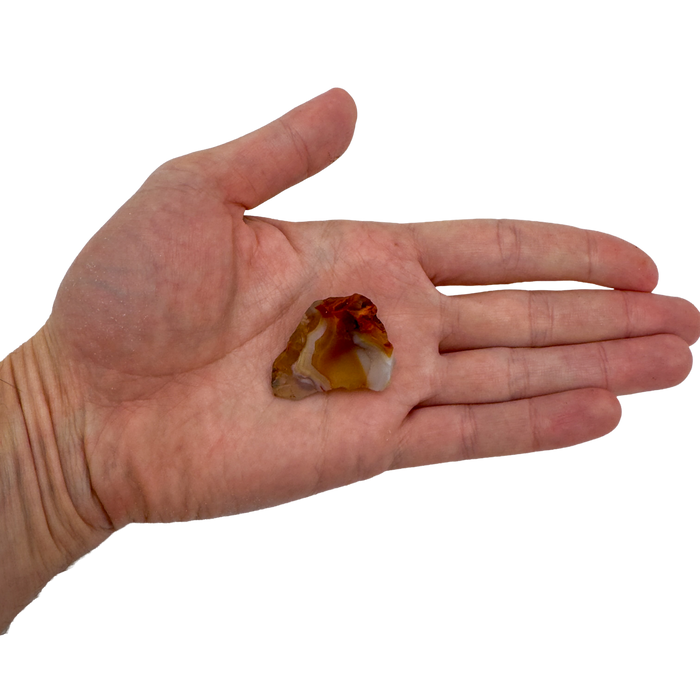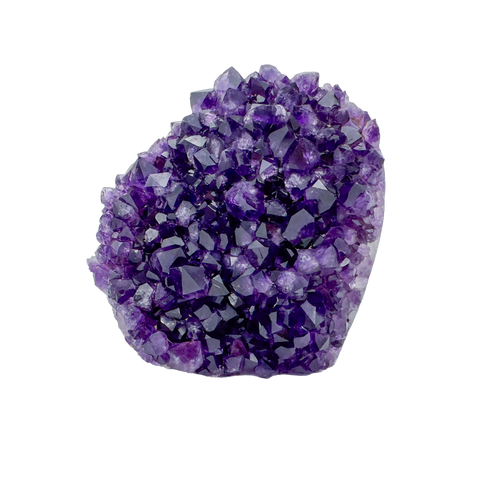
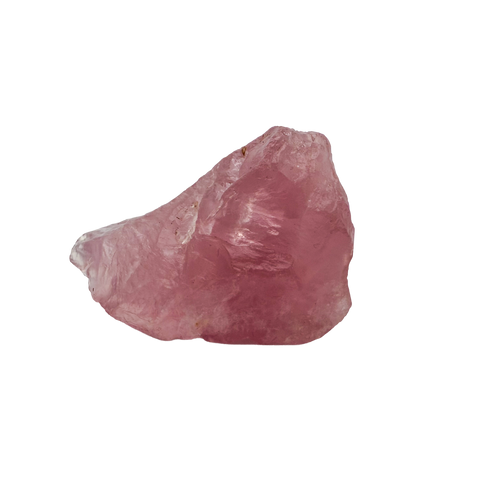
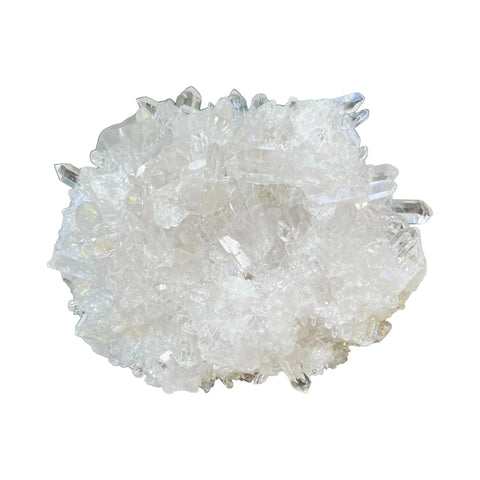
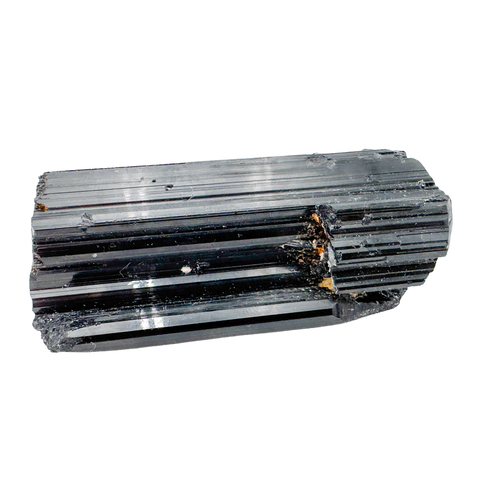


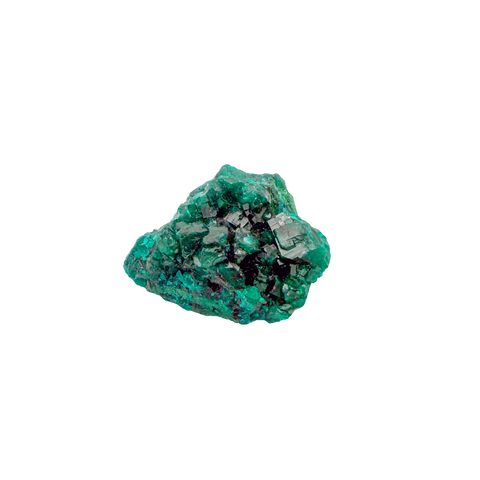
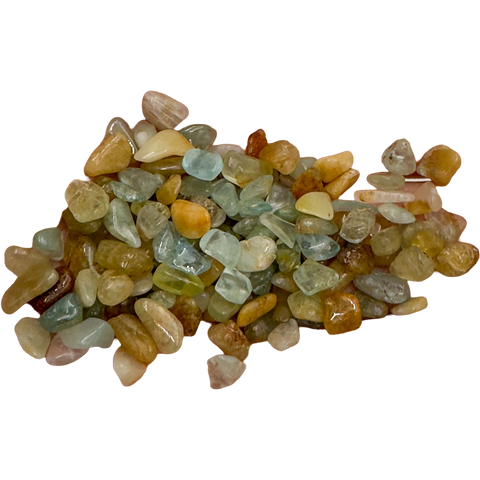
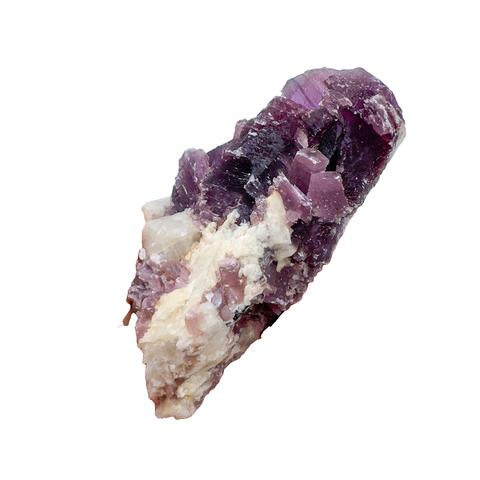
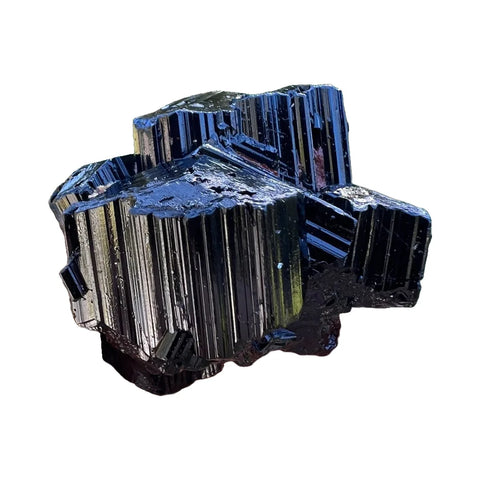
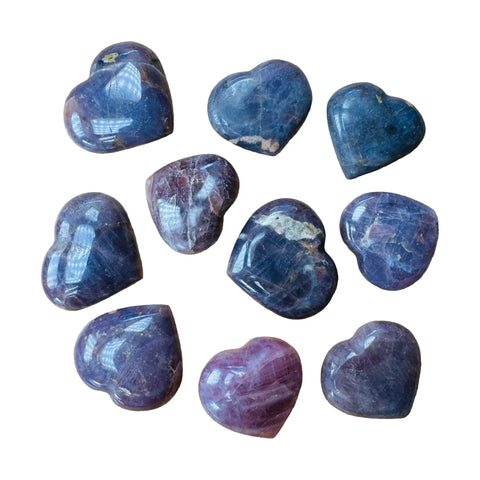
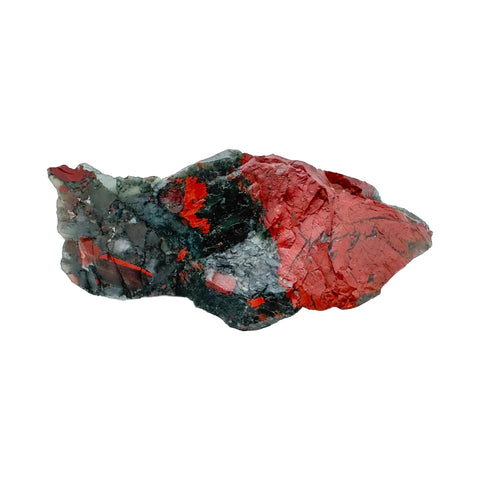
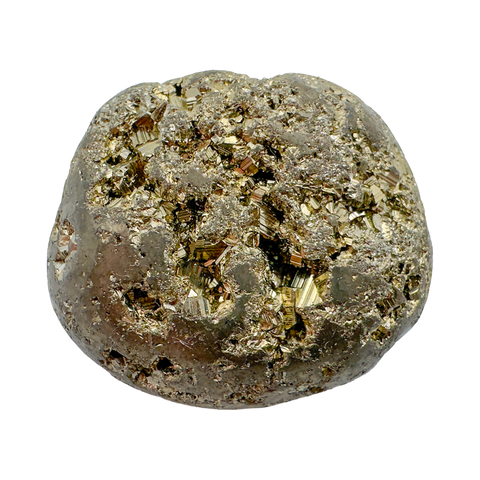
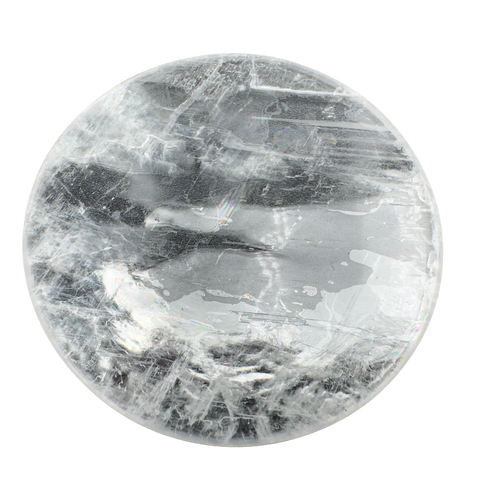






Most cleansing methods involve water and most cleansing stones are soft. Shungite is carbon at Mohs 2, howlite is porous at 3.5, and chlorite quartz is the one you can actually rinse.
Crystals for Cleansing: Which Ones Survive the Water

Nearly every cleansing method people are taught involves water, and nearly every stone sold for cleansing is softer than the stones it is meant to look after. That is the tension worth understanding before you run anything under a tap. Hardness is the first thing to check, and porosity is the second, because a stone that drinks water is also a stone that drinks dye.
Shungite
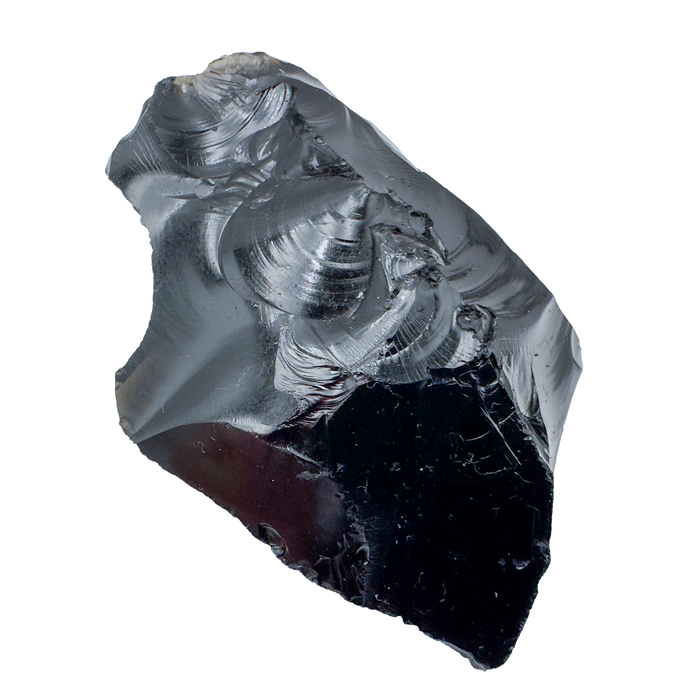
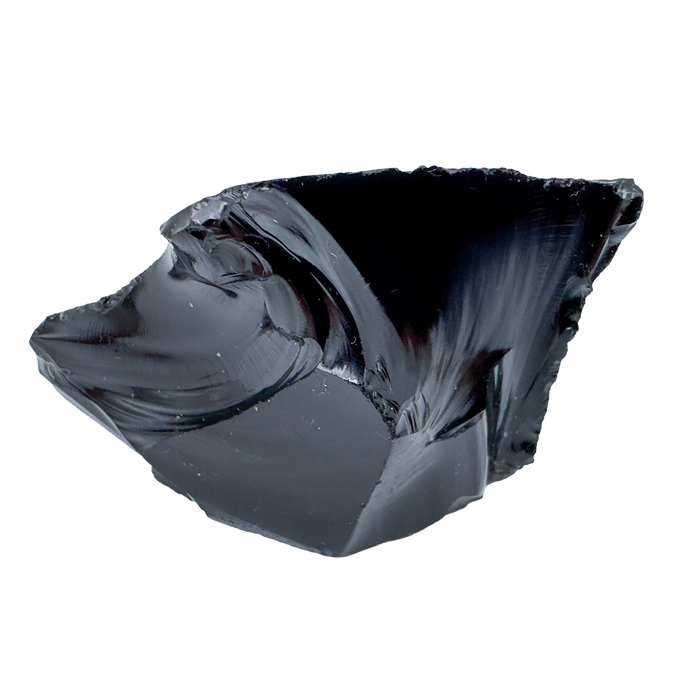
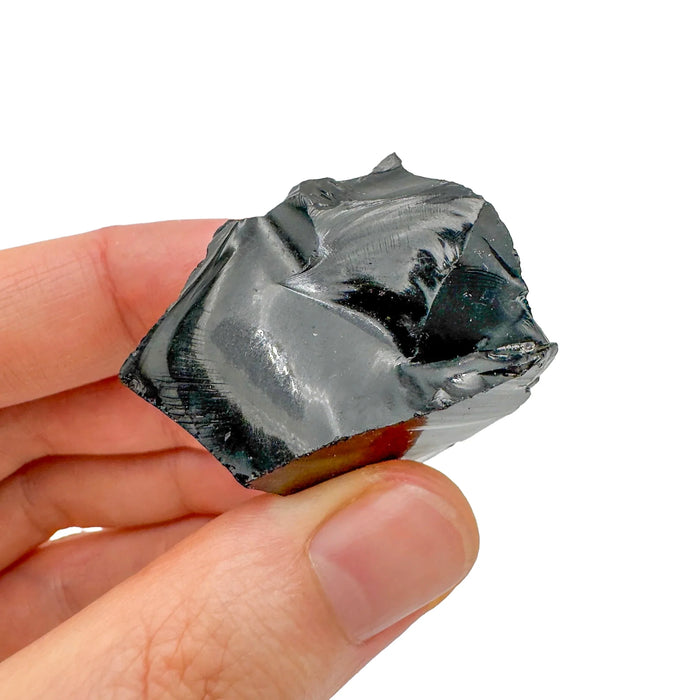
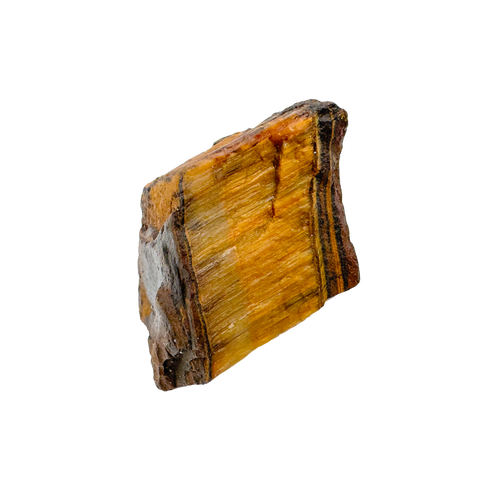
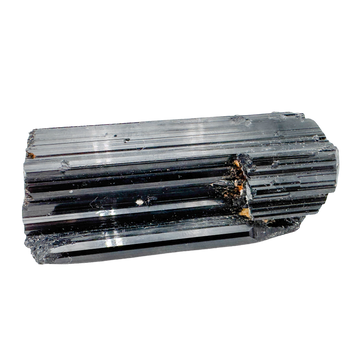
Shungite is not a crystal. It is a carbon rich rock from the Republic of Karelia in Russia, with no crystal structure at all, which is why it has no faces, no points, and no cleavage to speak of. It sits at about 2 on the Mohs scale, softer than a fingernail. It is graded in the trade as elite or regular. Elite carries the highest carbon content and comes as silvery, brittle, lustrous pieces. Regular is the matte black material most polished shapes are cut from. Two practical things follow from the chemistry. It marks your hands and anything pale it sits on, and elite pieces chip if you knock them together. Shungite is the stone people most often put in water, and we are not going to make a claim about what that does. What we can tell you is what it is and where it came from. Ours is raw elite grade from Karelia. The shungite guide goes further.
Howlite
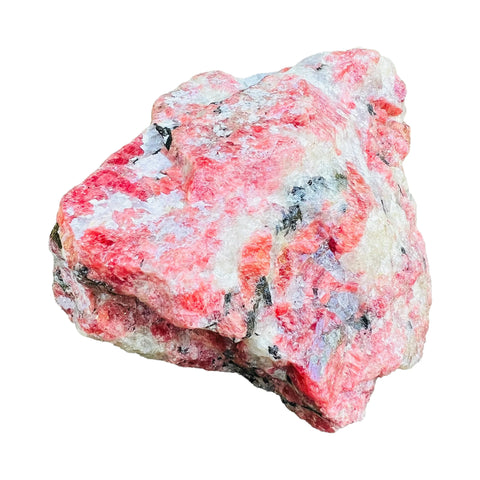
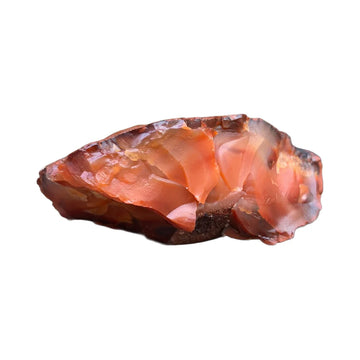
Howlite is a borate mineral, around 3.5 on the Mohs scale, white to chalky gray with the dark web of veining that everyone recognizes. It is also the most dyed stone in the trade, and the reason is physical rather than dishonest: howlite is porous, so it takes color right through instead of sitting on the surface. Dyed blue, it is sold as turquoise, white buffalo turquoise, and a dozen other names it has no right to. Dyed red it stands in for coral. The tell is usually price, followed by color that is too even to be a natural copper mineral. The same porosity that makes it dye so well also means it will pick up oils and stains from a pocket, so it is happier on a shelf than in a bag of keys. Ours is tumbled, AA grade and untreated, from Masvingo, Zimbabwe. If dyes are the part you want to get better at spotting, we have a piece on how to identify dyed crystals, and the howlite guide has the mineral detail.
Chlorite Quartz
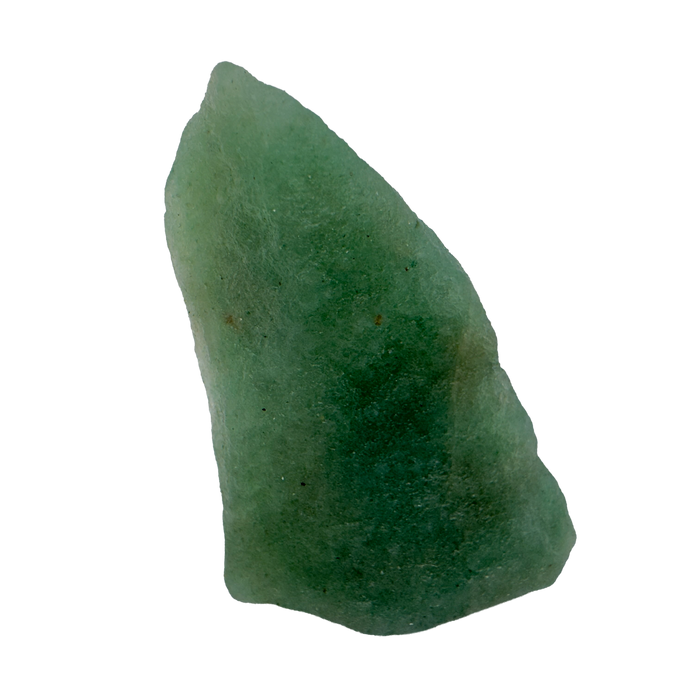
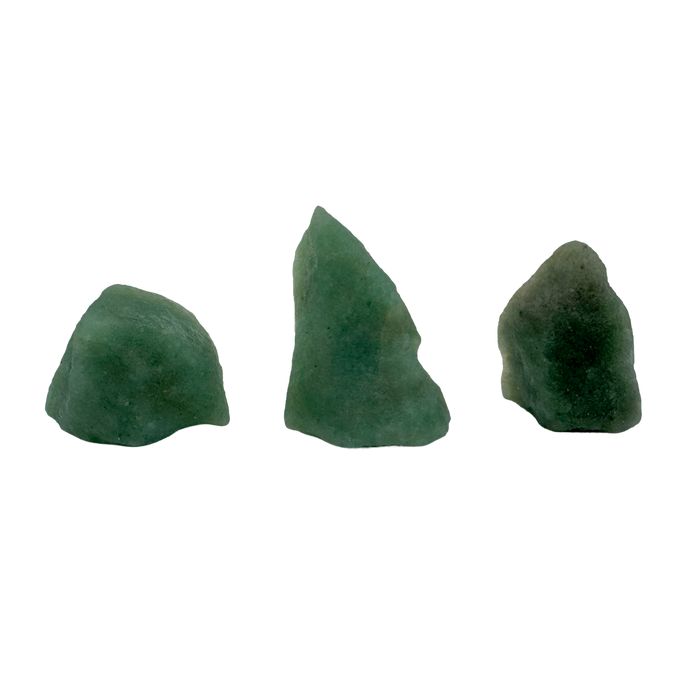
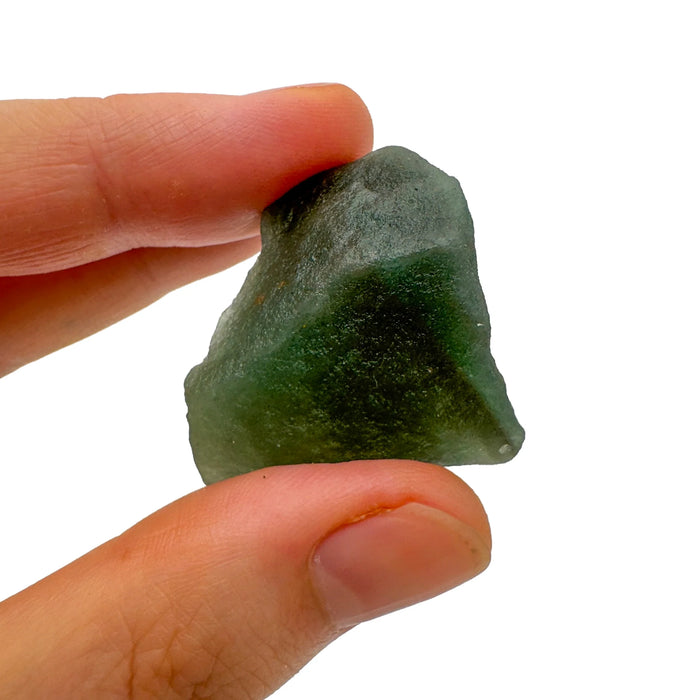
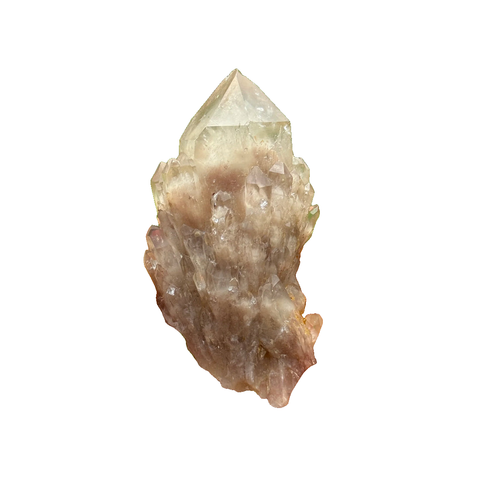
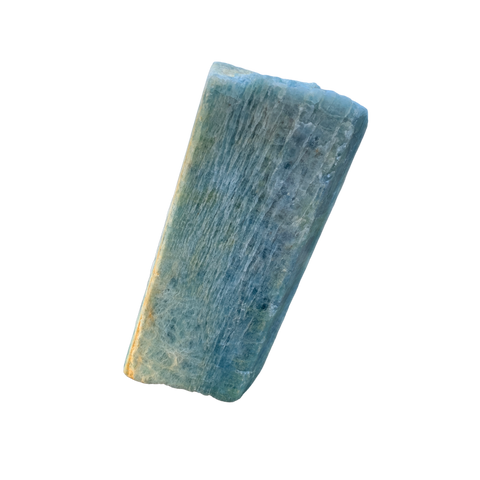
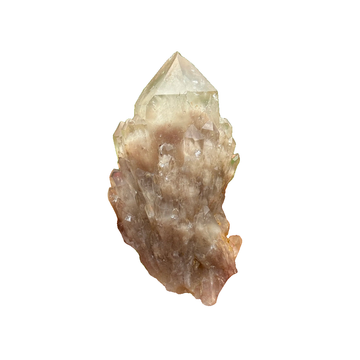
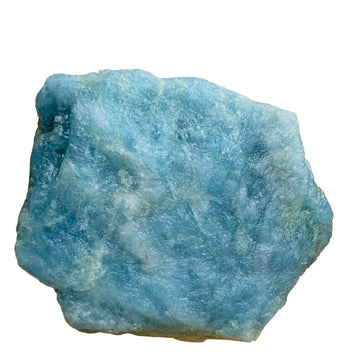
Chlorite quartz is the exception on this shelf and the reason it is here. It is ordinary quartz, a full 7 on the Mohs scale, with green chlorite trapped inside it during growth. The chlorite gives you the mossy green phantoms and clouds you can see suspended in the clear parts. Because the green is a sealed inclusion rather than a coating, nothing on the outside of the stone is doing the work, and there is no surface layer to lift. This is the piece in the group you can rinse without thinking about it. Ours is raw points, from Mashonaland Central, Zimbabwe. More in the chlorite quartz guide.
A note on selenite and clear quartz
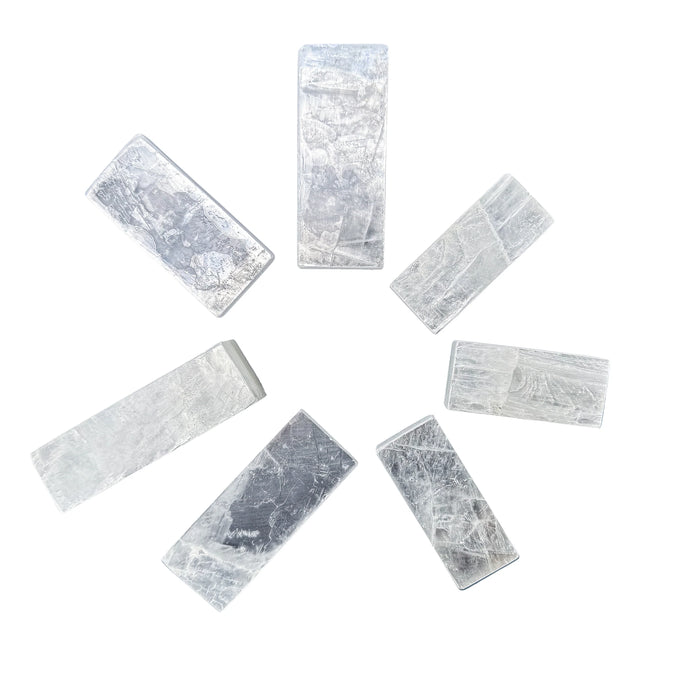
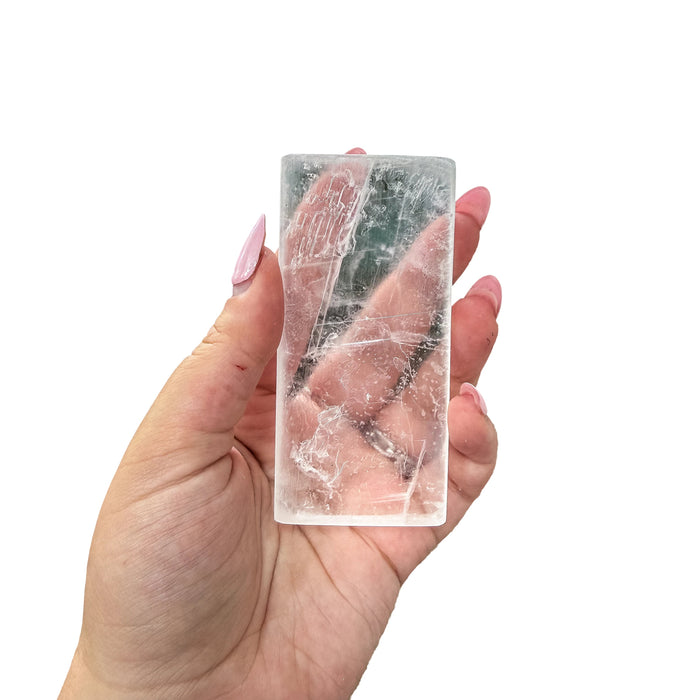
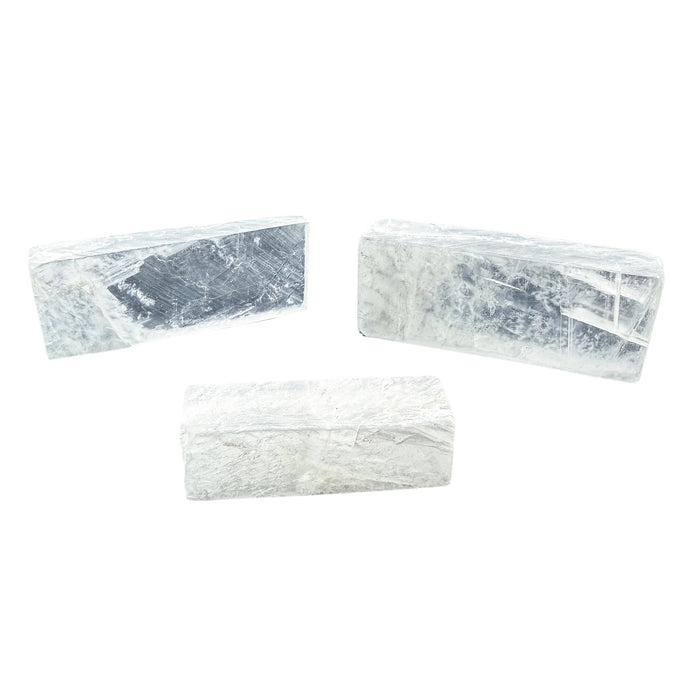
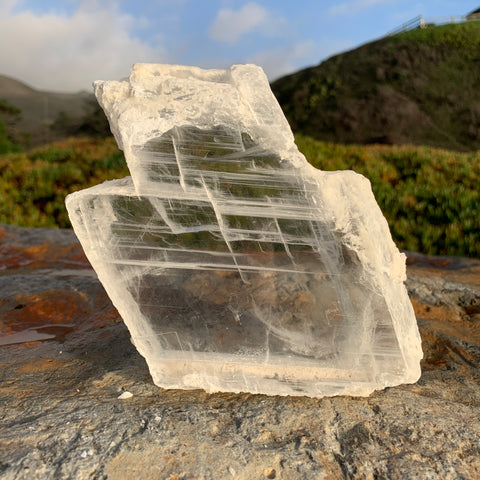
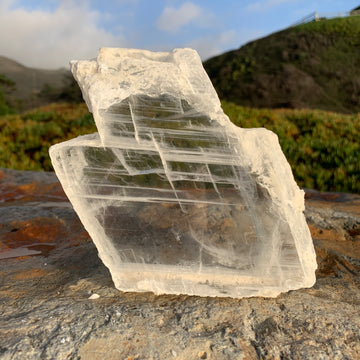
These two are the standard answer for cleansing, and selenite in particular is the one people are most surprised to learn dissolves in water over time. Rather than repeat that here, the head to head is in selenite vs clear quartz, which covers what each one is actually made of.
Shungite
Howlite
Chlorite Quartz
If you want to compare them in hand, a raw elite shungite shows how little it takes to leave a mark, an untreated howlite is the reference point for what undyed material actually looks like, and a chlorite quartz point is the one that takes a rinse. The rest of the shelf is in the cleansing collection.
What cleansing means here
Cleansing, in the practical sense we can speak to, is maintenance. Dust, skin oils, and pocket grit build up on a stone, and different minerals tolerate different ways of getting them off. Anything at Mohs 3 or below and anything porous is better off with a dry cloth than a sink. Anything in the quartz family is far more forgiving. The step by step is on how to cleanse crystals, with the companion piece on how to charge crystals. Where these stones came from and what was done to them is on our sourcing page, and the wider list is on crystals for cleansing.