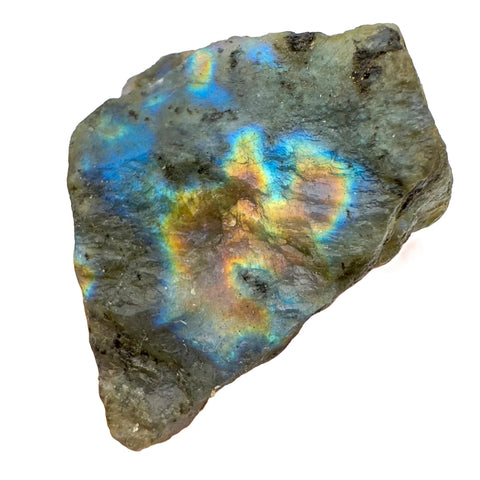
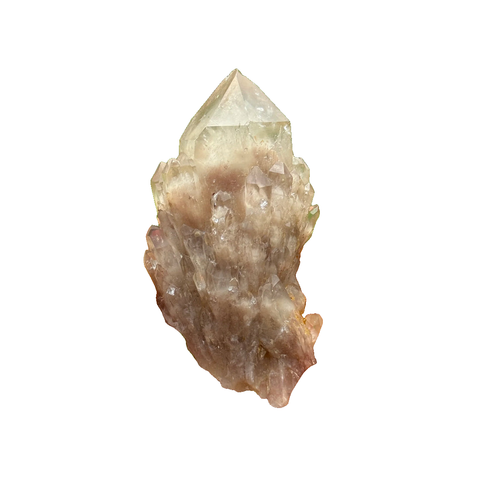
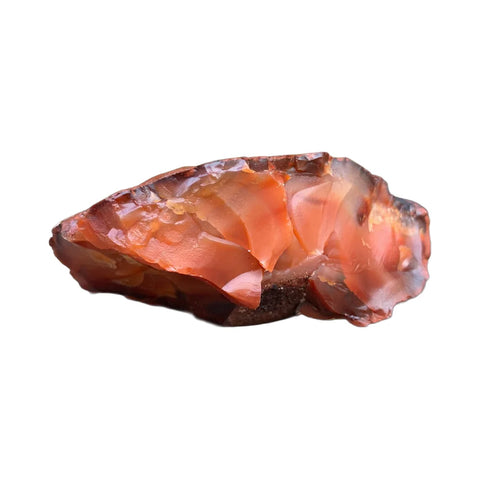
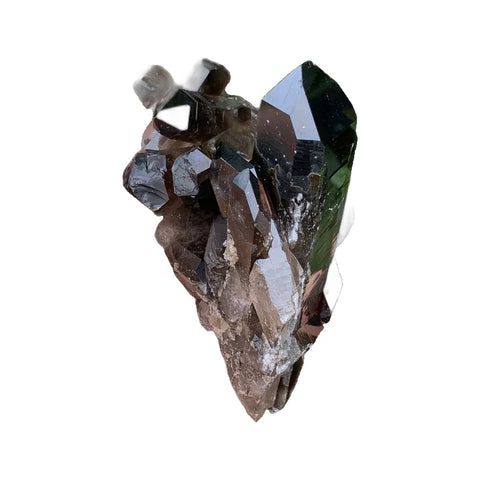











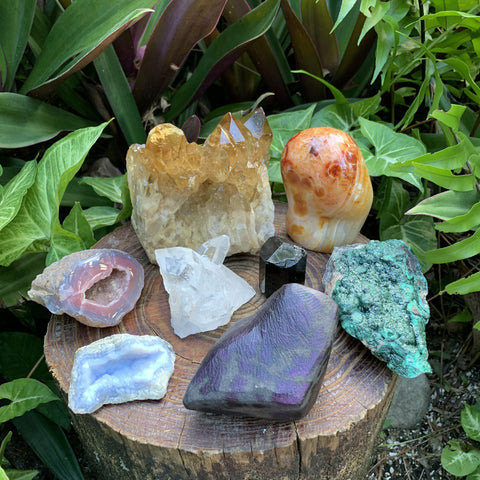




















Pisces claims aquamarine and bloodstone as March birthstones. The real geology behind those two plus blue lace agate, and where we source each stone.
Crystals for Pisces: Birthstones and the Geology Behind Them

Pisces runs from February 19 to March 20, and the stones tied to it lean watery and soft: blue-green, pale banded blue, deep green flecked with red. That fits the dreamy water sign, but the stones themselves are just geology. Here's what they actually are, where they come from, and what the birthstone facts really say.
Pisces's birthstones, the calendar version
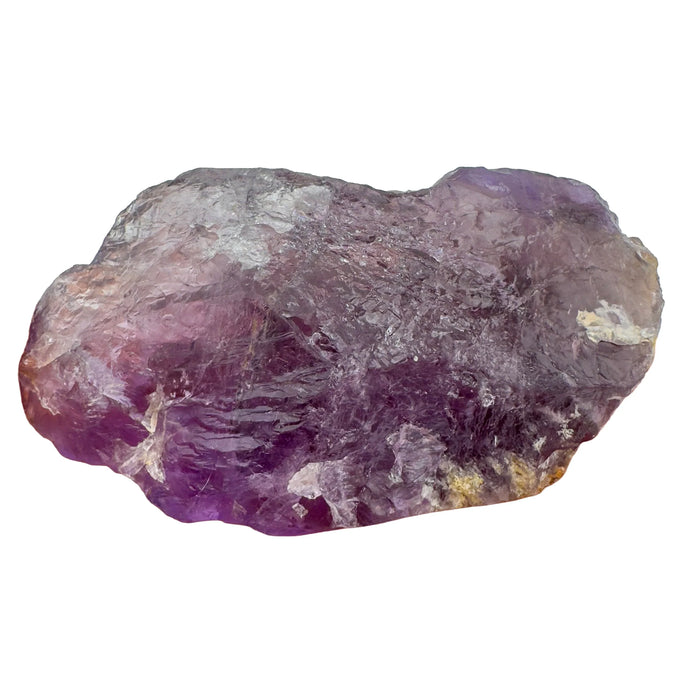
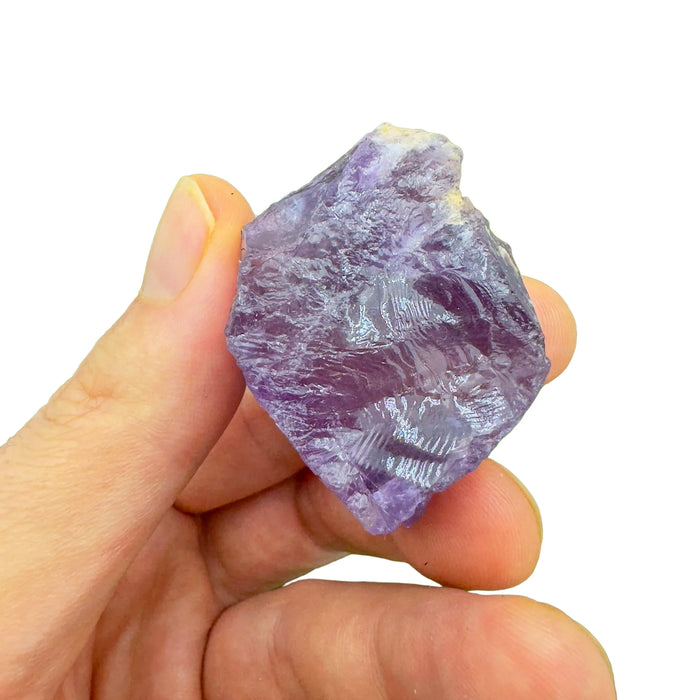
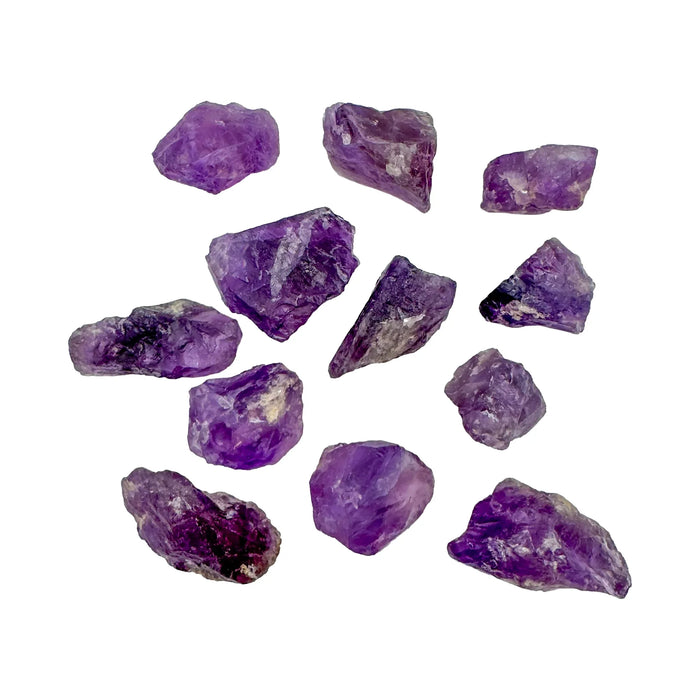
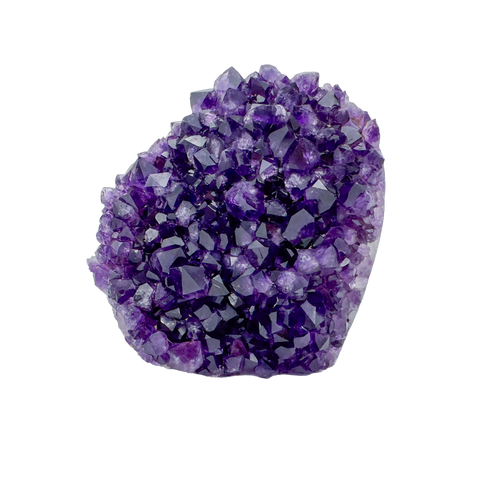
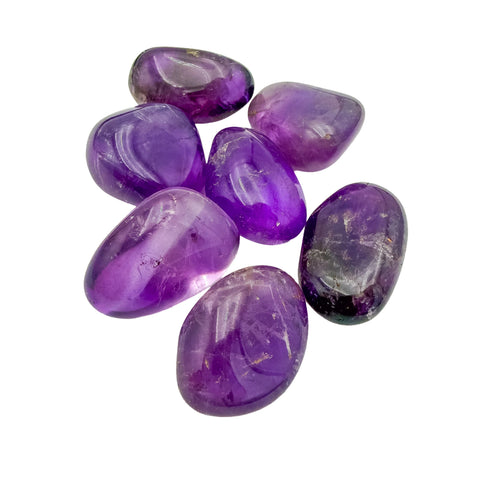
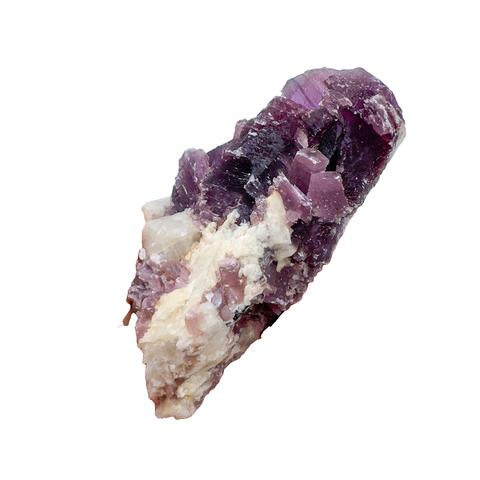
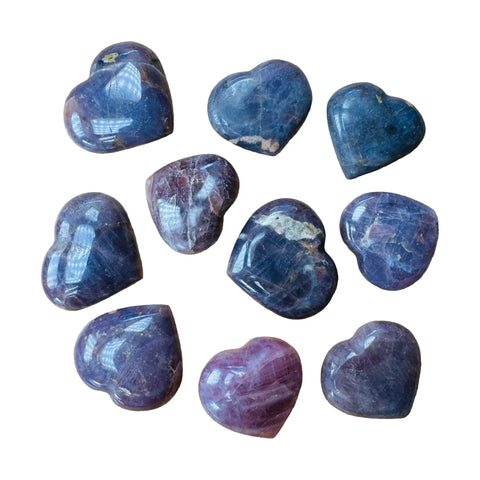
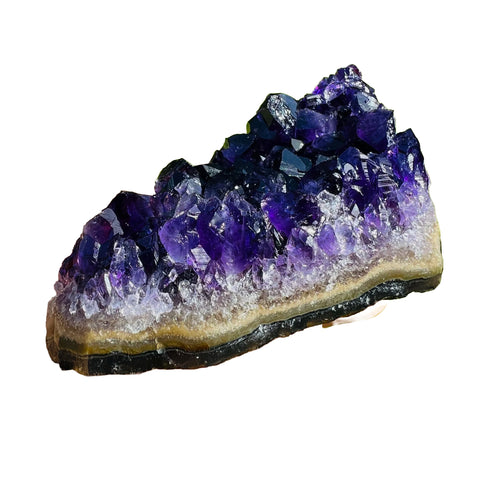
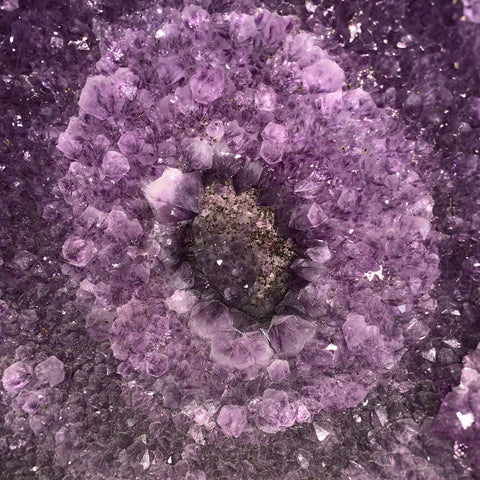
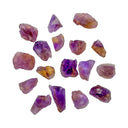
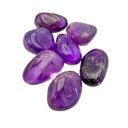
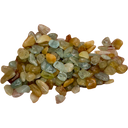
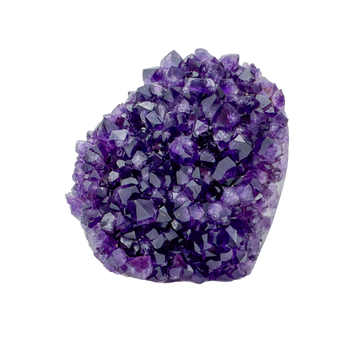
Because Pisces straddles two months, it carries more than one traditional birthstone. February leans on amethyst, the purple variety of quartz. March leans on aquamarine, a blue-green form of the mineral beryl, along with bloodstone, the older traditional stone for that month. None of this is a rule you have to follow. It's simply the lineage, and it shifts with which week of the season you were born in.
The stones most often linked to Pisces
Set the birthstones aside and a clear group remains, chosen across many crystal traditions for their water-like color and their tie to the sign's water element.
Aquamarine
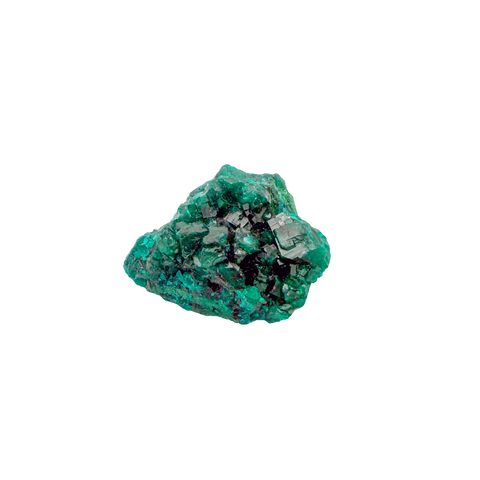
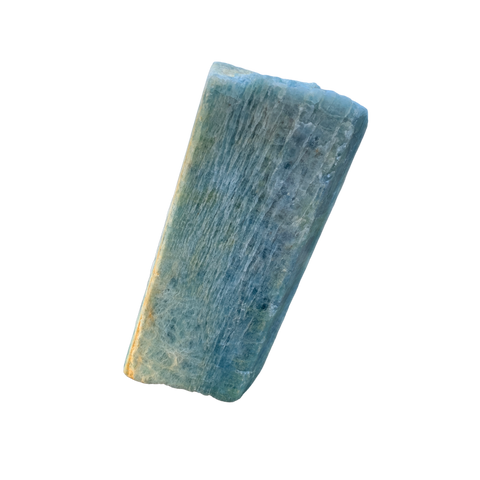
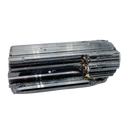
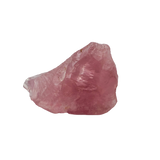
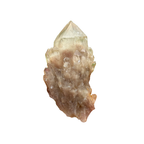
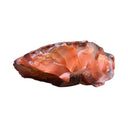
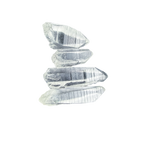
Aquamarine is Pisces's own March birthstone, so it earns the first spot. It's beryl, a beryllium aluminum silicate from the same mineral family as emerald, colored a pale blue-green by traces of iron. It's a hard 7.5 to 8 on the Mohs scale, harder than quartz, which is why it holds such a clean polish. Ours is raw from Brazil. The full mineral story is in our aquamarine guide.
Blue Lace Agate
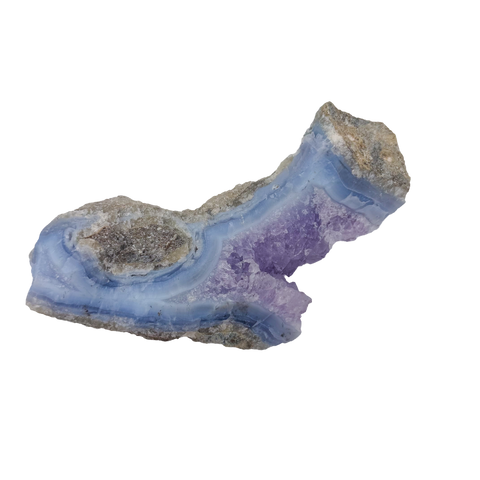
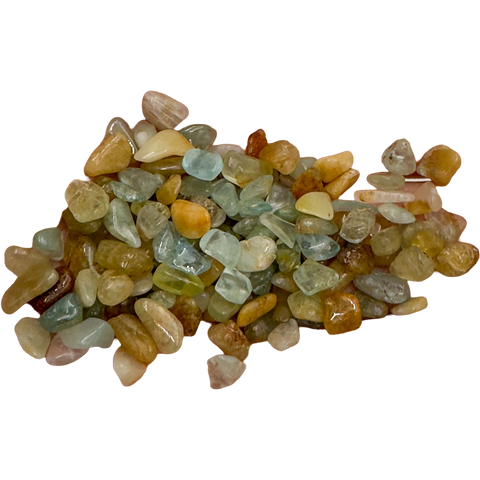
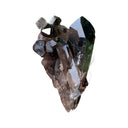
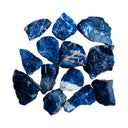
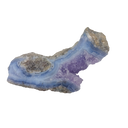
Blue lace agate is the pale blue stone laced with fine white bands, like ripples caught in stone. It's a banded form of chalcedony, which is quartz grown in microscopic fibers rather than single crystals, and those lacy bands are layers that built up over time. It sits around 6.5 to 7 on the Mohs scale. Ours comes from Namibia, the main source for the soft blue kind. More on it is in the blue lace agate guide.
Bloodstone
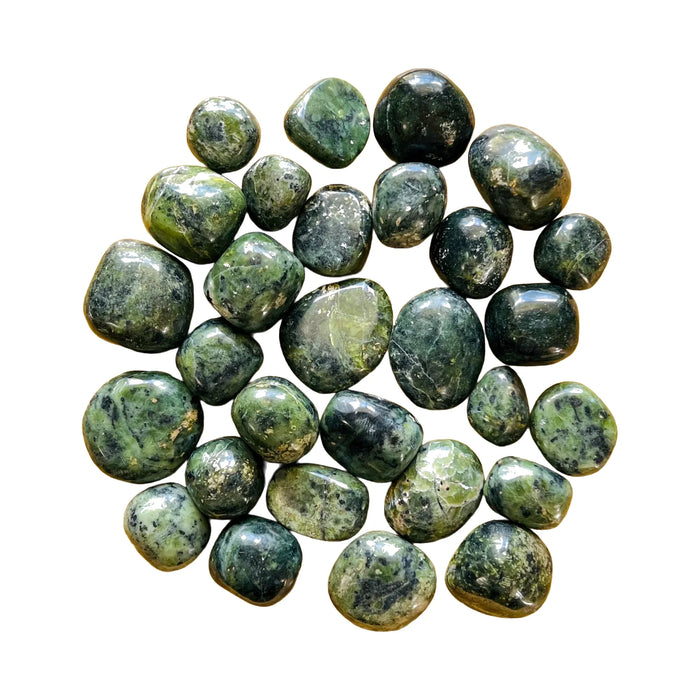
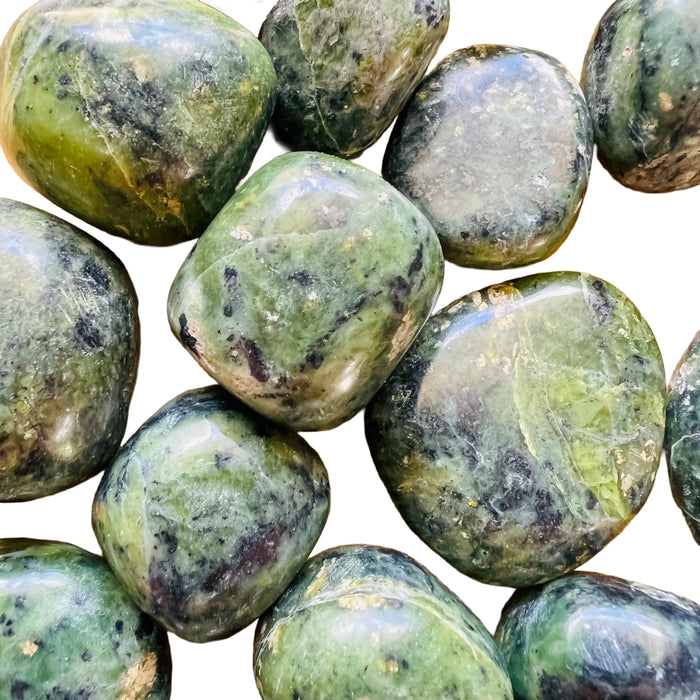
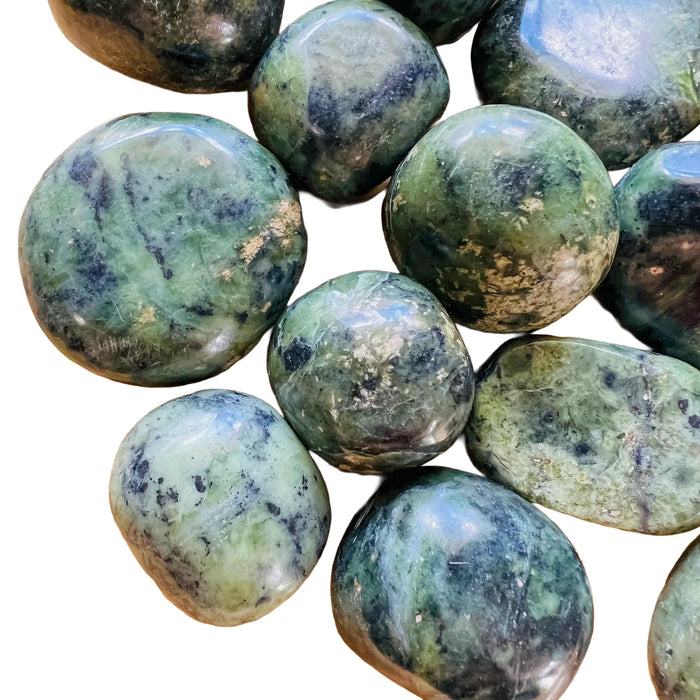
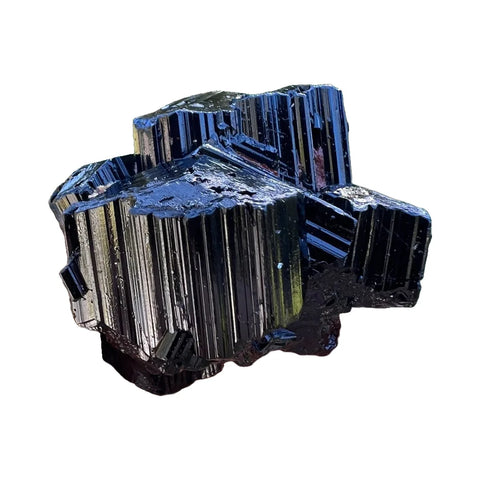
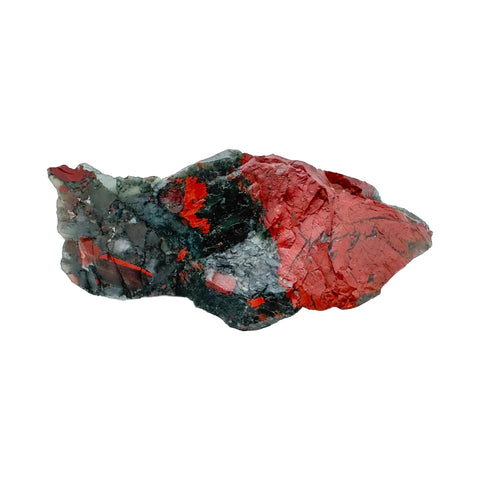
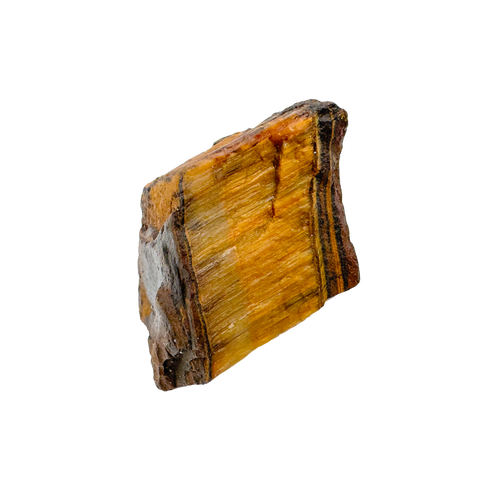
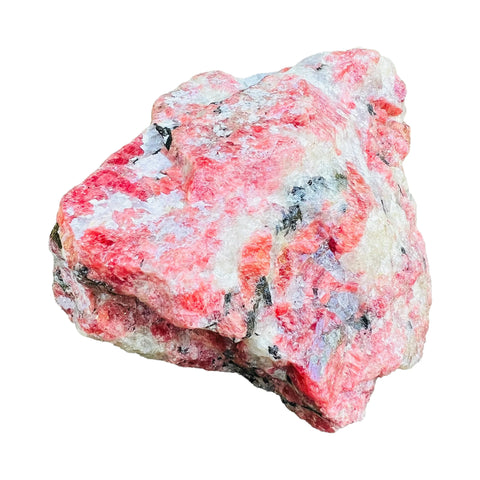
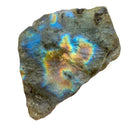
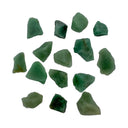
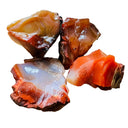
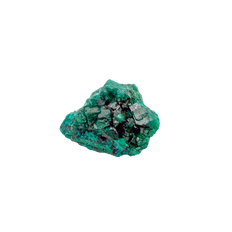
Bloodstone earns its name from spots of red hematite scattered through a deep green ground, and old legend read those spots as drops of blood. It's a form of chalcedony too, the same microcrystalline quartz family as blue lace agate, and it rates around 6.5 to 7 on the Mohs scale. Ours is raw from Hhohho in northwest Eswatini, single origin and untreated. The red varies piece to piece, from a scatter of fine dots to bolder patches, so no two stones read alike. The bloodstone guide covers the folklore and the mineralogy.
Aquamarine
Blue Lace Agate
Bloodstone
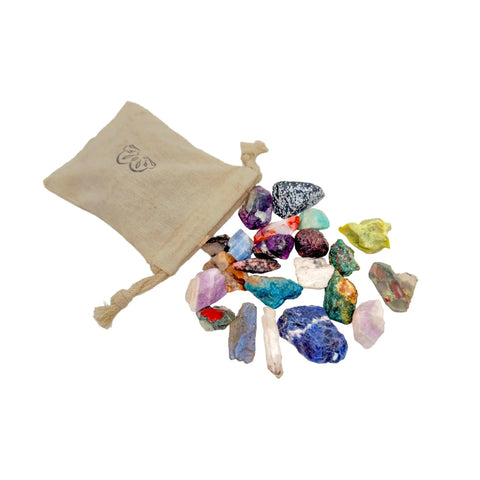
If one of these calls to you, a raw aquamarine shows the March birthstone in the rough, a blue lace agate puts the banding in the hand, and a raw bloodstone holds the deep green and red. You can see every stone tied to the sign in the Pisces collection.
What the association actually means
None of this is science. A stone doesn't know your birthday, and no gem changes a personality. What the zodiac tradition offers is a way in, a starting point for people drawn to the idea of a stone that echoes the water sign's imagination. The aquamarine often called Pisces's lucky stone is lucky the way a keepsake is: by story, not by physics. We'd rather tell you that plainly and let the stone be what it is. What a piece comes to mean is yours to find. If you want the fuller origin of these birthstone lists, our birthstones by month page traces where they came from.