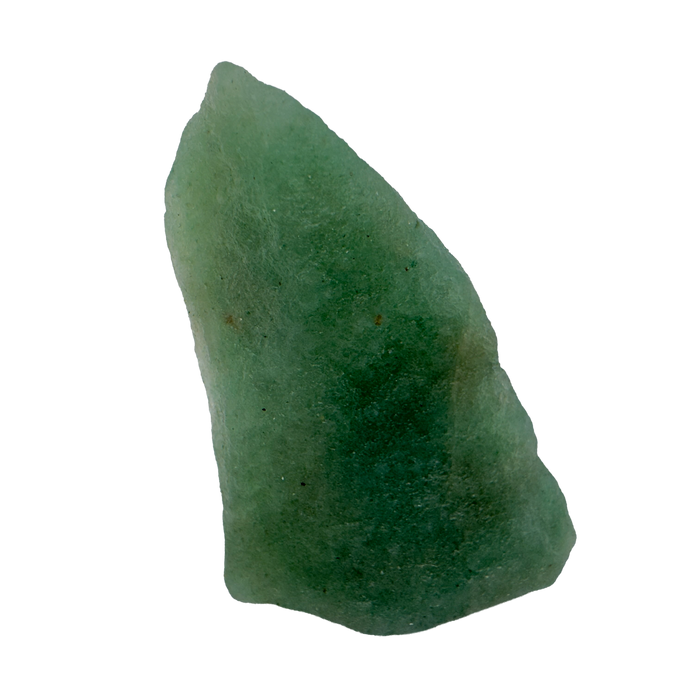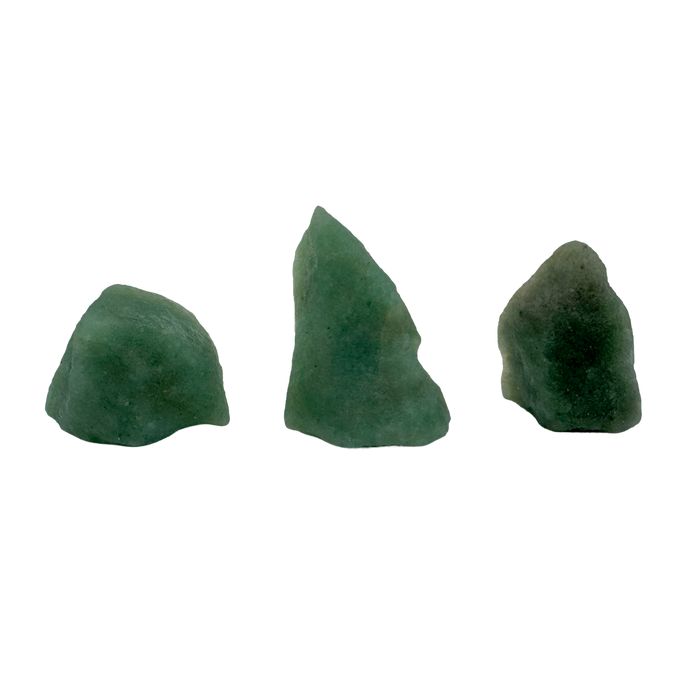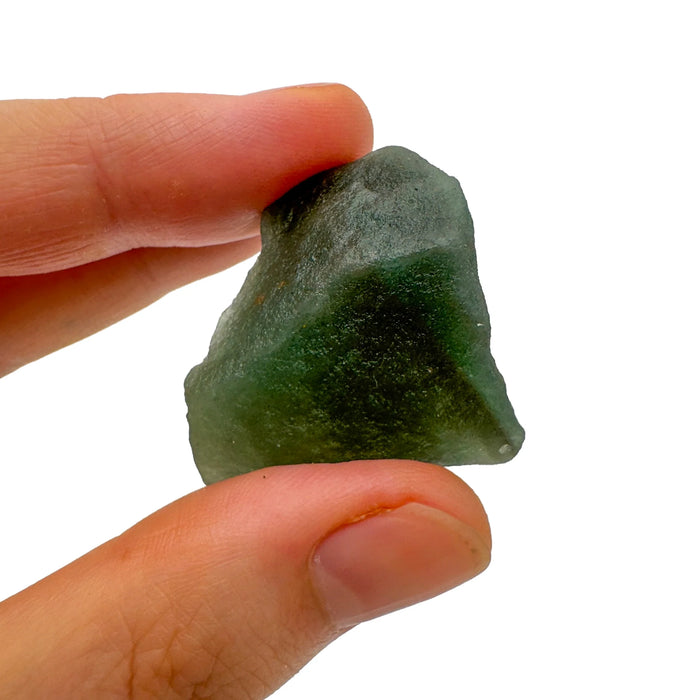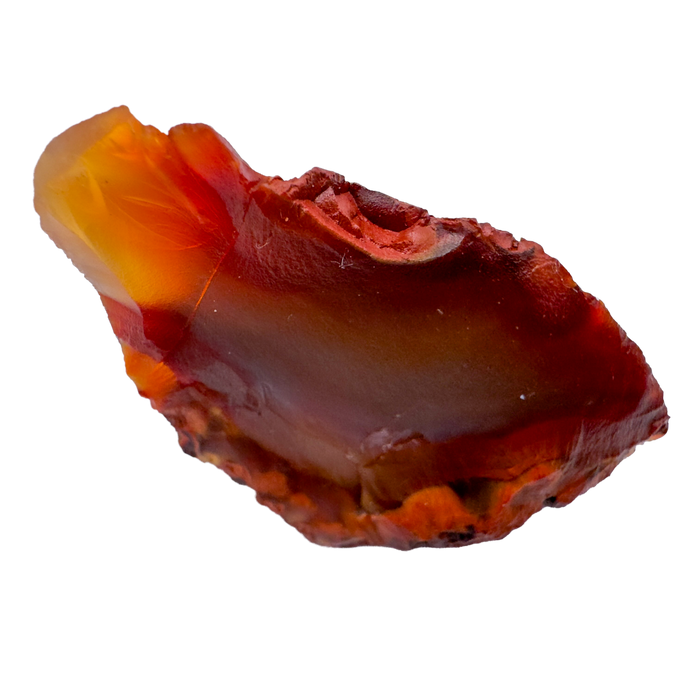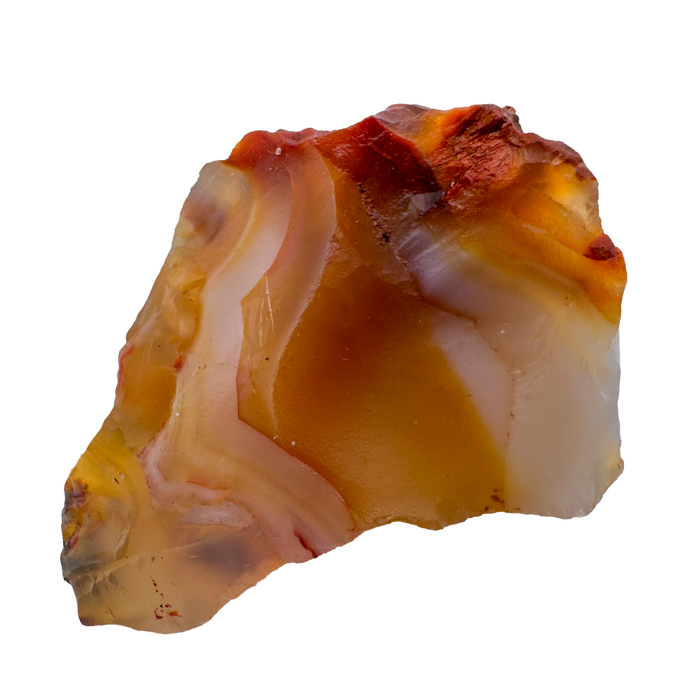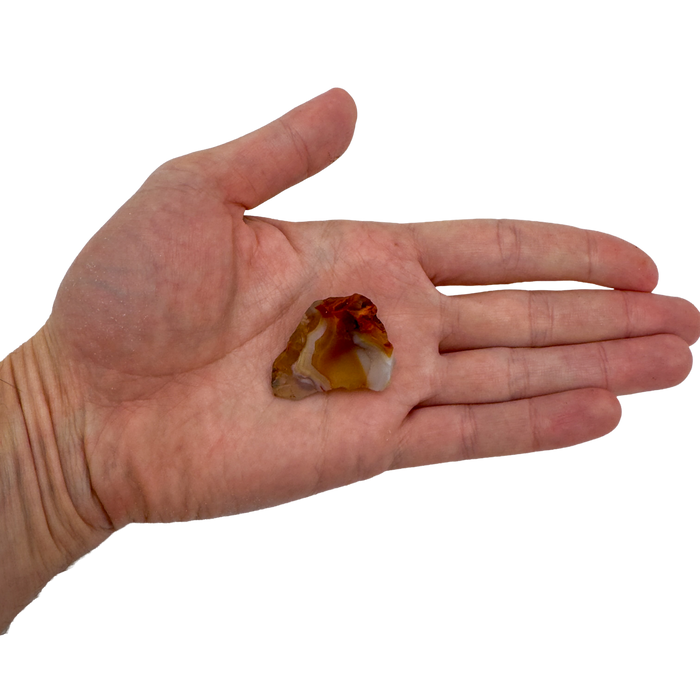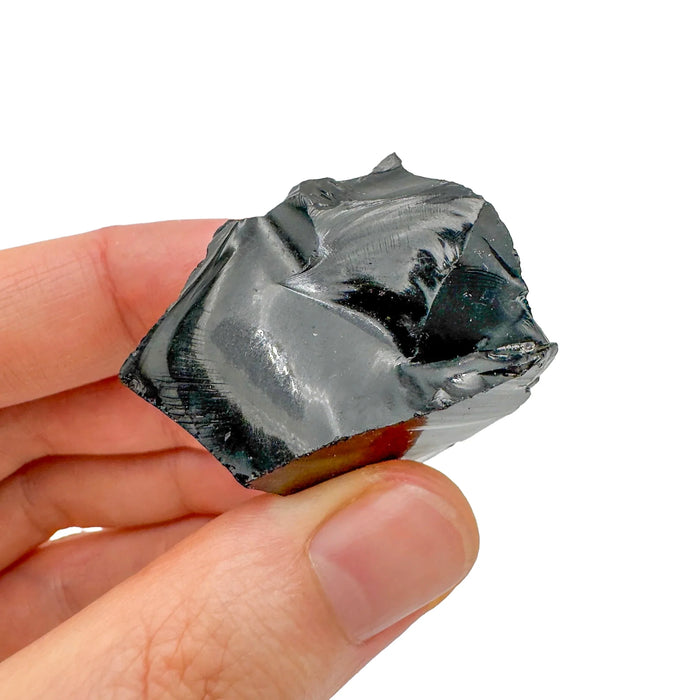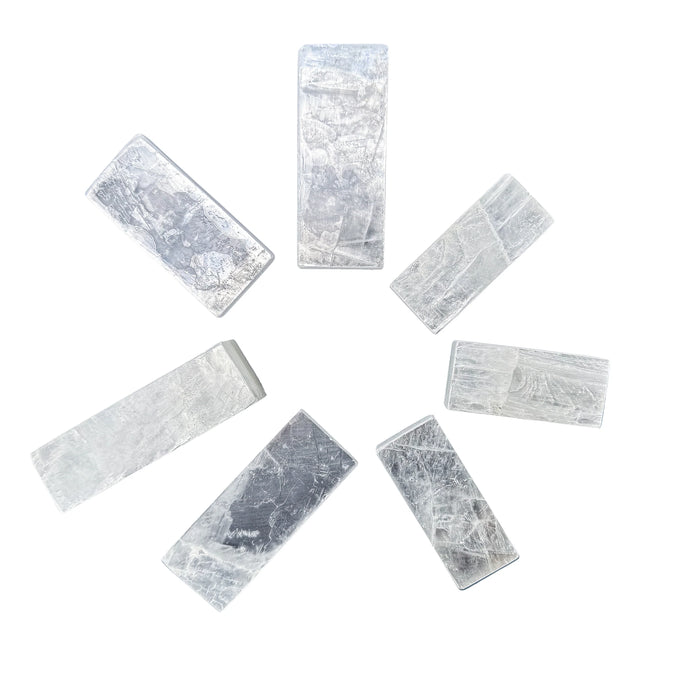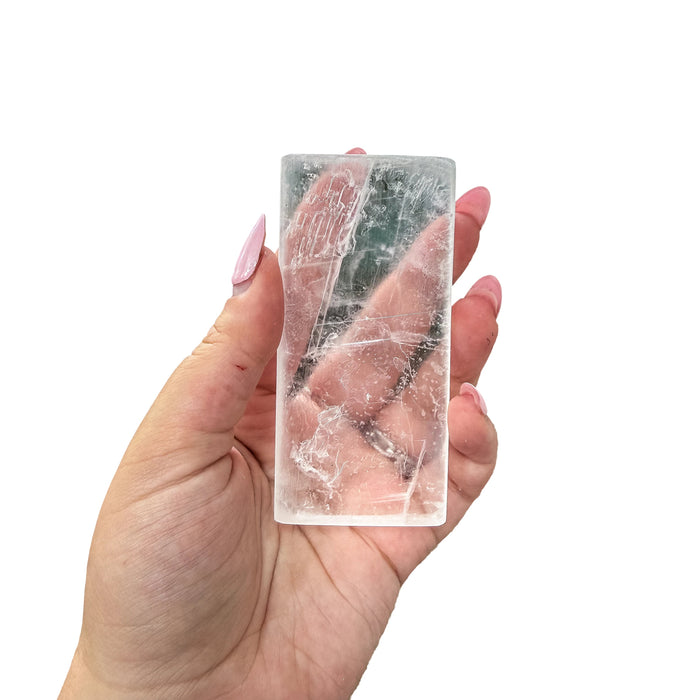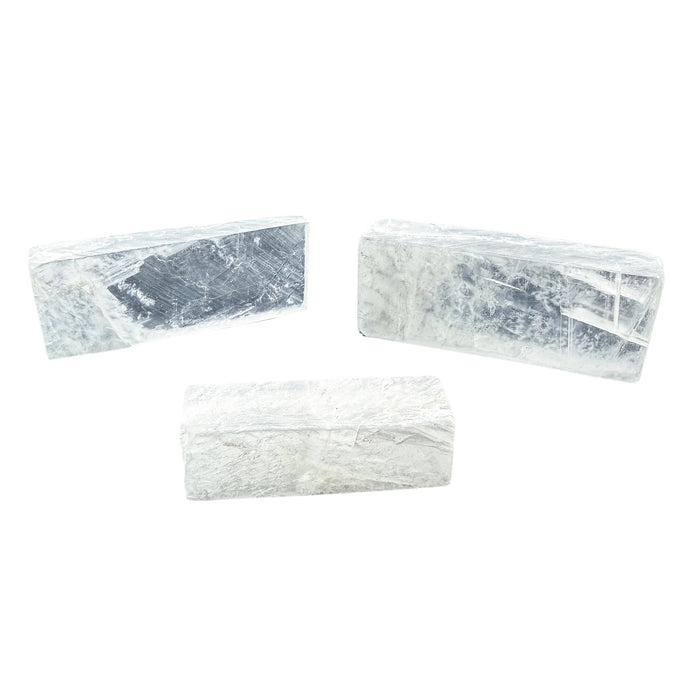














































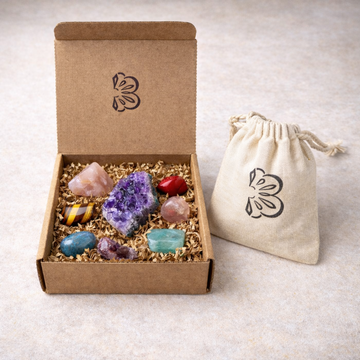










Morganite, mangano calcite and pink agate are the three pinks the trade most often improves. One gets heat, two get dye, and what a stone allows comes down to what it physically is.
Crystals for Self Love: Heat, Dye, and Natural Color

Three of the pinks on this shelf are the three the trade most often improves, and each one gets improved a different way. That is not a coincidence and it is not a scandal. What a stone allows is decided by what the stone physically is, so the softest and most porous pieces get dye and the hardest one gets heat. Knowing which is which tells you more than any label on the bin.
Morganite
Morganite is the pink to peach variety of beryl, the same mineral as emerald and aquamarine, and trace manganese is what turns it pink. It forms in granitic pegmatites, often sitting alongside aquamarine and tourmaline in the same pocket. At 7.5 to 8 on the Mohs scale it is the hardest thing in this article by a wide margin, and it is the one you could wear daily for decades. Here is the part worth knowing. Most morganite reaching the market is heated at low temperature to drive off a yellow or orange cast and leave a cleaner pink. The resulting color is stable, it does not fade, and it cannot be detected in the finished stone. That last point matters more than the treatment itself. When a change is undetectable, the only thing standing behind an untreated claim is the chain the stone traveled through. Ours is raw AA from Minas Gerais, Brazil, recorded in our catalog as natural color and not heat-treated. The morganite guide has the full range.
Mangano Calcite
Mangano calcite is calcite with manganese in it, and the manganese sits in the crystal structure where calcium would otherwise be. It is a 3 on the Mohs scale, which is soft enough that a copper coin will mark it, and calcite is a carbonate, so it reacts to anything acidic. Both facts explain why so much of it on the market is dyed. Soft and slightly porous material takes color readily, and a pale piece can be pushed toward the saturated bubblegum pink people expect from photographs. Dye is the easier treatment to catch, because it pools in cracks and along the banding rather than sitting evenly. Ours is hand polished AA from Ancash, Peru, natural and untreated, which also means the pink is quieter than the internet version. Treat it as a shelf stone. Keep it dry, keep it out of direct sun, and store it away from harder pieces. More in the mangano calcite guide.
Pink Agate
Pink agate is chalcedony, a form of quartz built from crystals too small to see, and at 6.5 to 7 it is nearly as hard as morganite. So why is agate the single most dyed material in the trade? Because of structure rather than softness. Chalcedony is microporous, and those pores drink color evenly and permanently. That is exactly why the bright blue and magenta agate slices in gift shops look the way they do, and it is why banded agate takes dye in stripes, since the bands differ slightly in porosity and absorb at different rates. Natural pink agate is a softer, more muted color with cream and gray in the banding. Ours is tumbled AA from Bobonong, Botswana, natural and untreated. The pink agate guide covers the banding, and the wider family is in the agate guide.
A note on rose quartz and rhodonite
The two stones most people reach for first on this shelf already have their own pieces. There is a rose quartz guide, a head to head on rose quartz and rhodonite, and a companion article on what the pink love stones actually are, which looks at why three unrelated pinks get their color three unrelated ways. This one stays with the enhancement question.
Morganite
Mangano Calcite
Pink Agate
To compare them in hand, raw morganite shows the beryl crystal form and a pink that comes from the chemistry rather than a bath, hand polished mangano calcite shows what undyed pink actually looks like at Mohs 3, and tumbled pink agate shows natural banding without the neon. The rest is in the self love collection. If you want the tells themselves, we keep a page on how to identify dyed crystals.
What self love means here
We are not going to tell you a stone repairs how you feel about yourself. The more honest version is that people keep an object close during a stretch when they are trying to be kinder to themselves, and holding something for a few breaths is a way of marking that intention rather than a mechanism that acts on you. What we can tell you is which mineral you are holding, how hard it is, where it was mined, and whether anyone changed its color. That last one is the whole argument for buying from a chain you can see, and it is on our sourcing page. The wider list for this intention is on crystals for self-love, and the terms are worked through in the crystal glossary.